
I’ve worked for Master Liveaboards for more than 10 years. In that time I’ve dived a lot of places, sold the Galápagos to a lot of guests, and listened to a lot of them come back lost for words. In Juli 2026 it was finally my turn.
From our head office in Phuket to San Cristóbal is a long way round the planet. It was worth every hour. This is my trip: three days exploring the island, seven nights on board our own Galapagos Master, and the best shark dive of my life.
Getting to the Galápagos: my Quito airport tip
The Galápagos is a two-flight journey for most of us: international into Quito, then a domestic hop out to the islands. I booked one night at the Courtyard by Marriott Quito Airport before and after, and I’d recommend it to anyone. It’s a short transfer from the terminal, the rooms are comfy and there’s a food court on hand.
More importantly, it gives you a proper buffer between your international and domestic flights. If your bags are delayed, they have time to catch up with you before you fly to the islands, rather than missing the boat.
Things to do on San Cristóbal (and my first “baby Godzilla”)
I gave myself three days on San Cristóbal before boarding, and I’d do the same again.
On my first morning I went for a run out to Playa Punta Carola and saw my first marine iguana. I was so excited I pointed it out to a fellow tourist. She looked at me like I’d lost the plot. On the way back I realised why: the baby Godzillas are everywhere. On the pavements, the rocks, the beaches. You stop pointing them out pretty quickly.
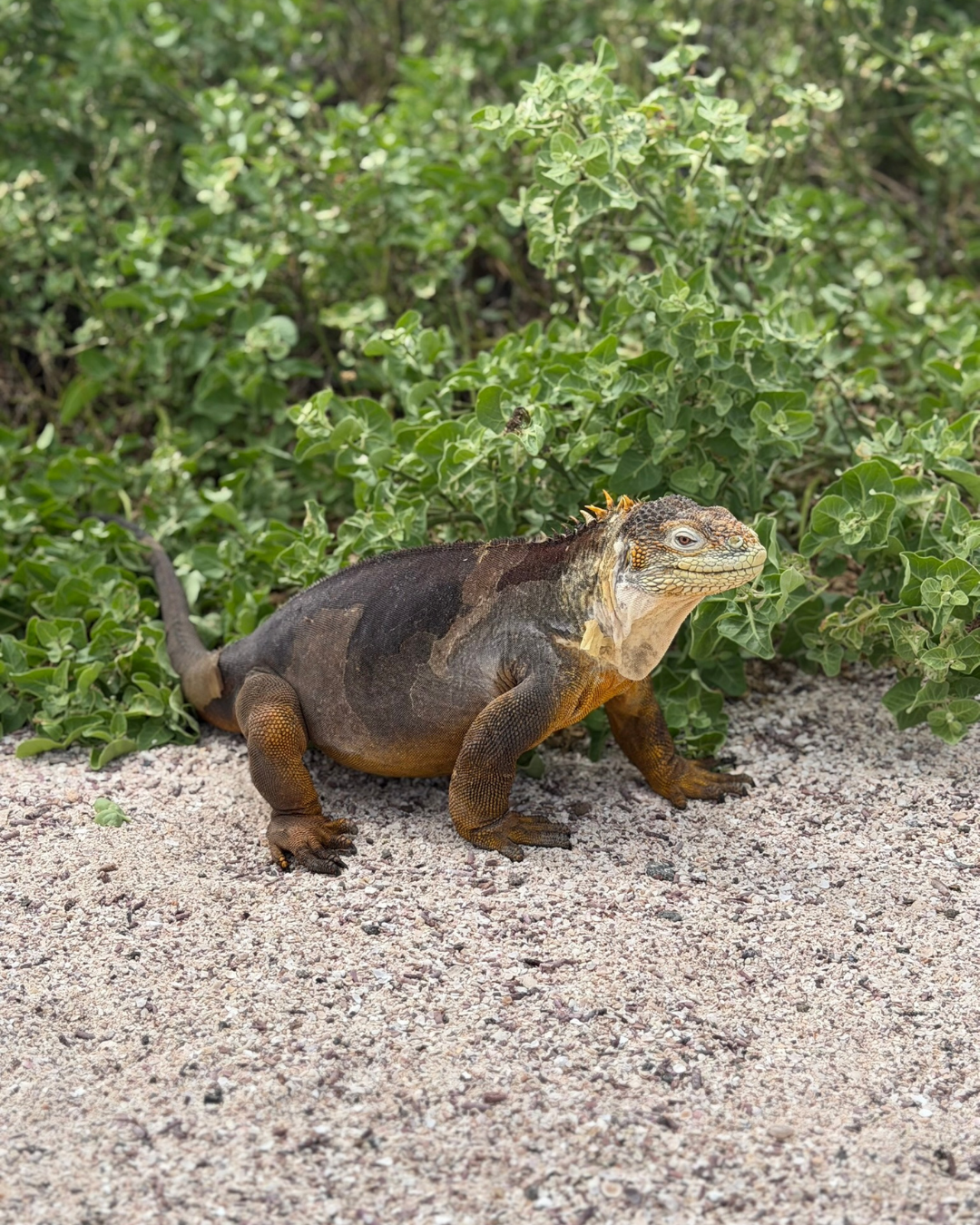
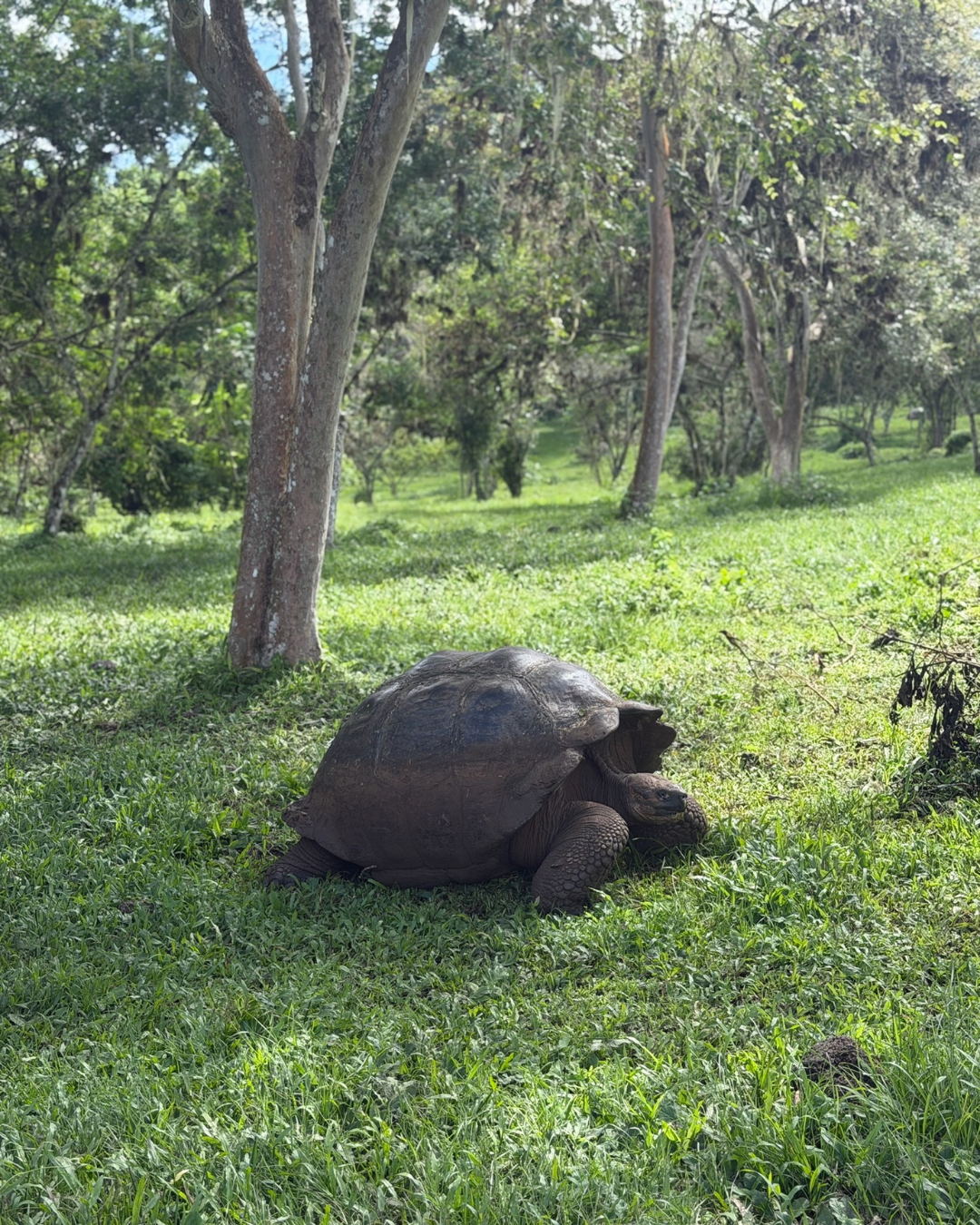
I drove up into the highlands to La Galapaguera de Cerro Colorado to see San Cristóbal’s own giant tortoise species, then spent my mornings running the trails around the harbour to the viewpoints. Cerro Tijeretas was the standout, with views out over the bay I could have stared at for hours.
For snorkelling, Puerto Chino was the place: white sand, clear water and sea lions that seemed just as curious about me as I was about them.
Life on board Galapagos Master
Seven nights on our own boat, and it felt like home from day one.
The food was a highlight in itself. Our crew are Galapagueños, and most of what we ate was sourced locally: traditional local dishes, some more Western-style plates, and beautifully fresh fish. It’s something we’re genuinely proud of.
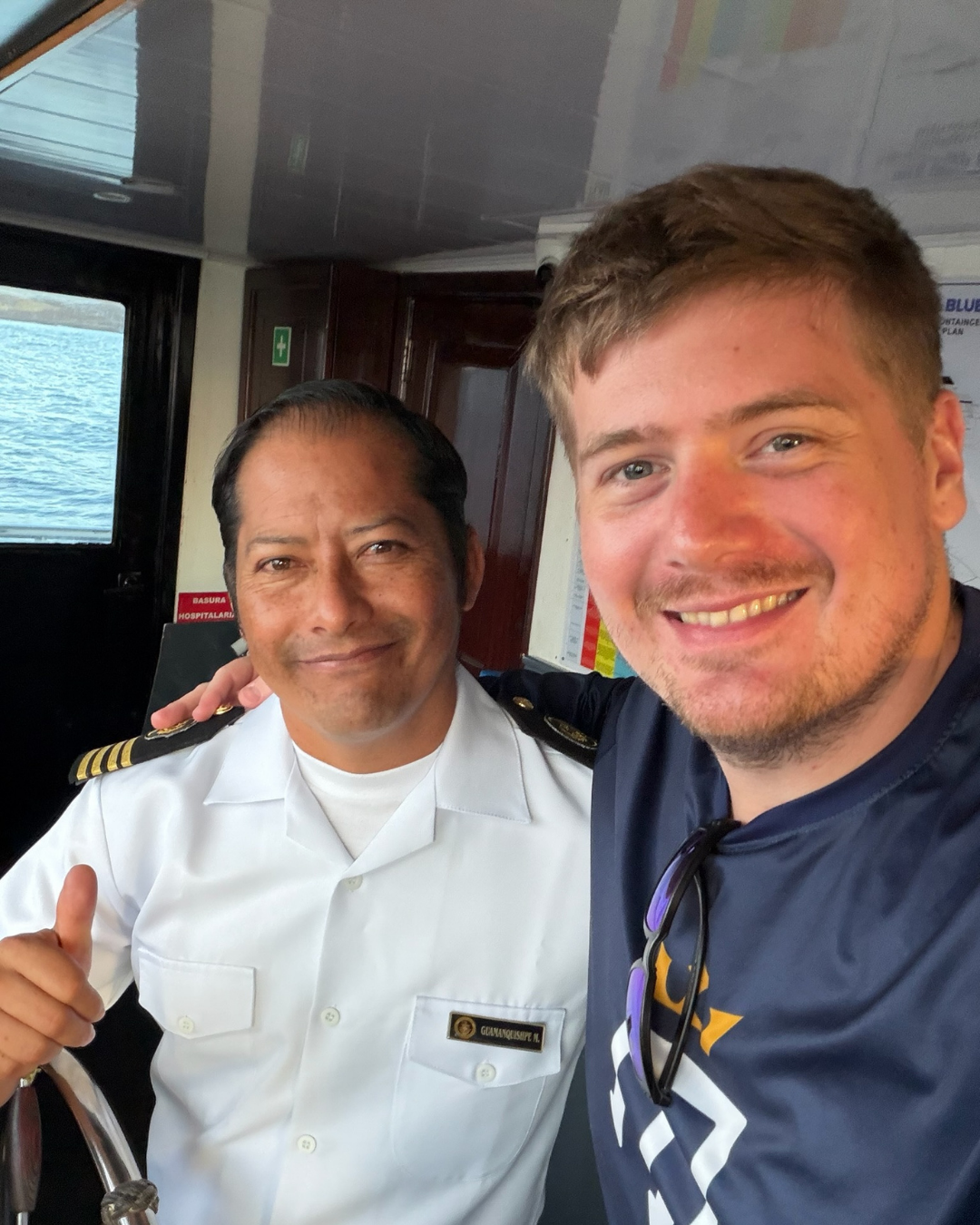
The cabins were comfy, but it’s the little things I remember. Galápagos diving means thick wetsuits, and the crew helped every one of us in and out of them. We did two dives in the morning and two in the afternoon, and between dives you peel your wetsuit down to the waist, wrap up in a warm towel and get handed hot chocolate and snacks. No wrestling in and out of neoprene four times a day. Small thing, big difference.
Darwin Island: hammerheads as far as I could see
Darwin is the reason most divers come to the Galápagos, and it didn’t disappoint.
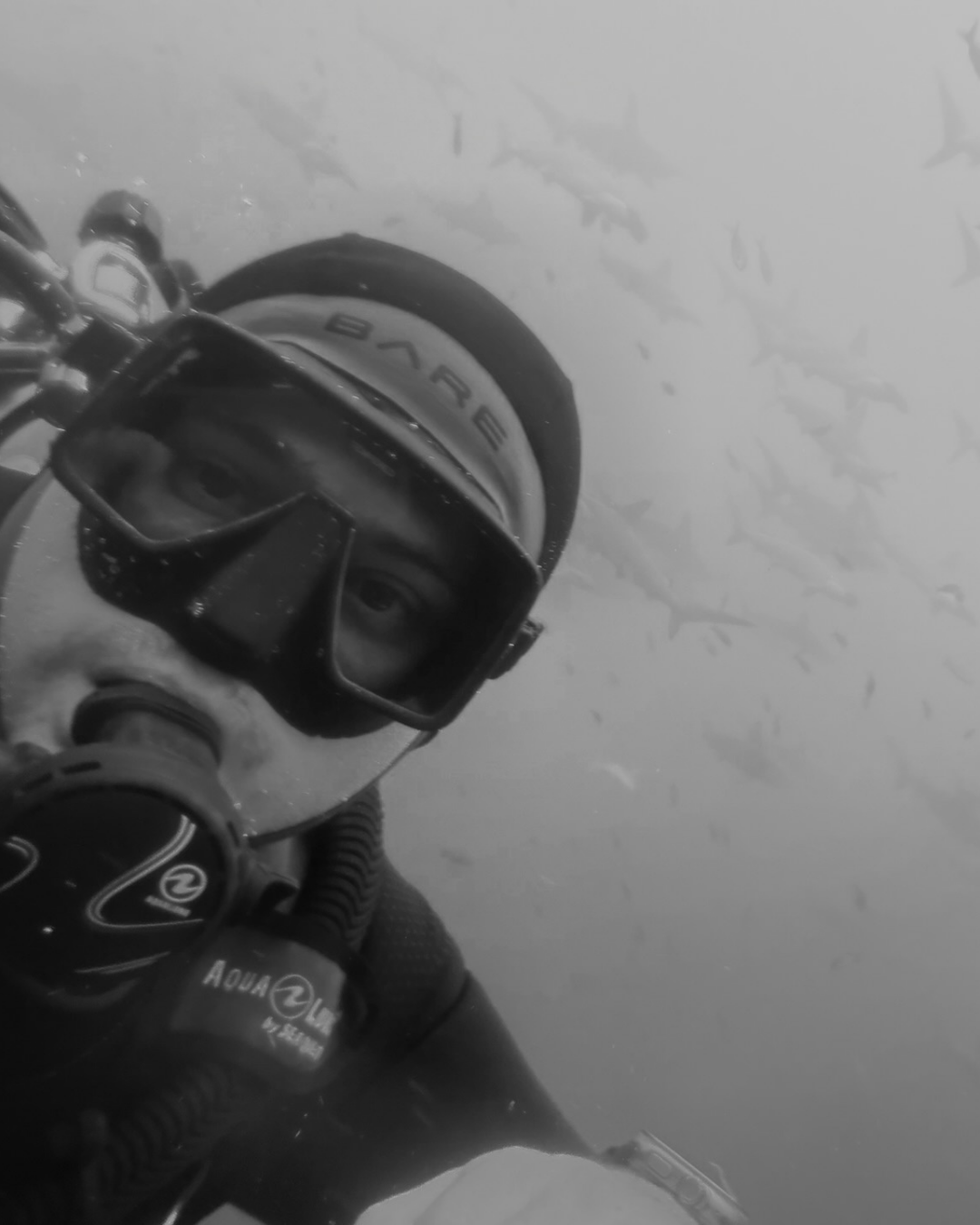
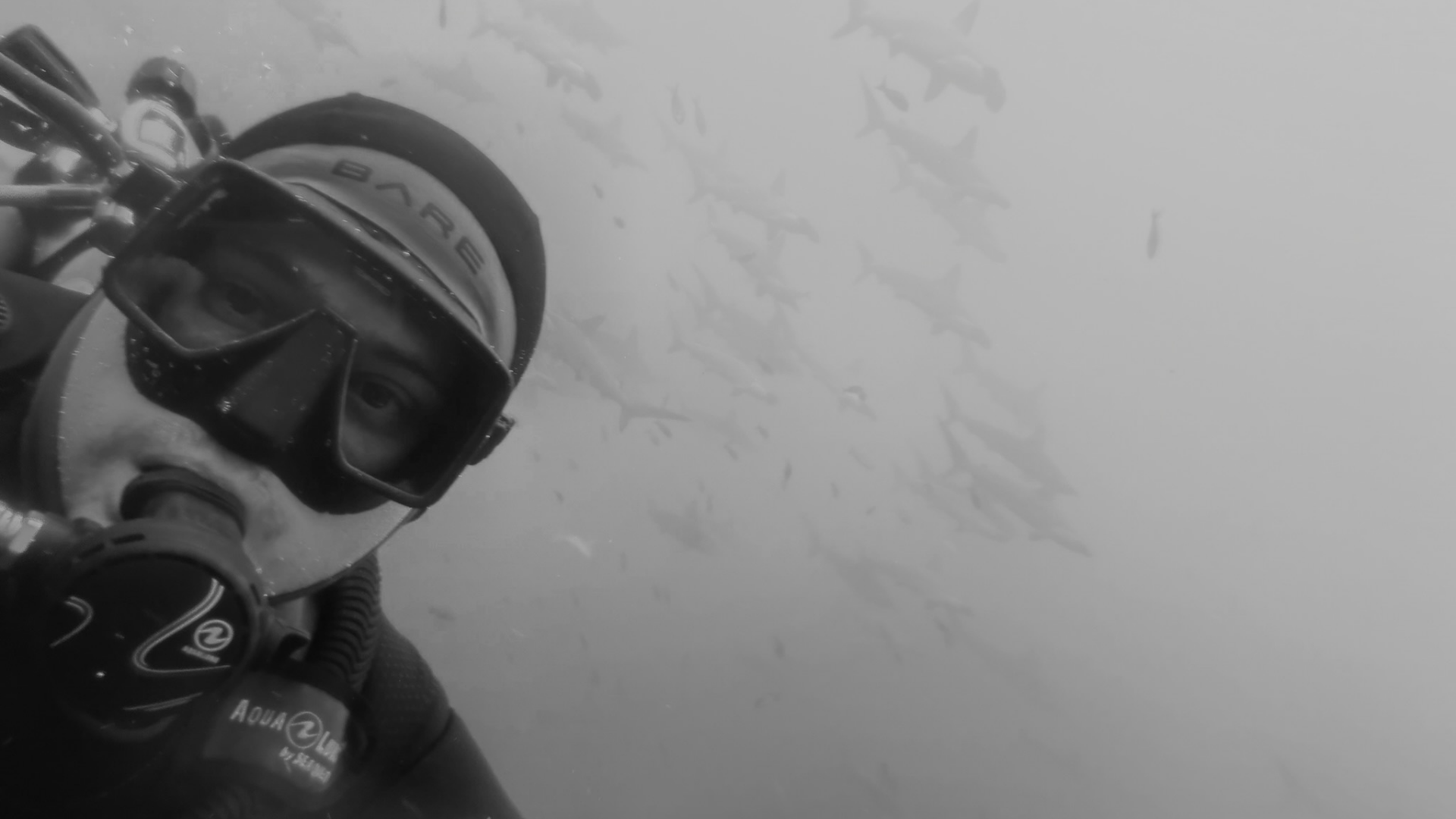
Our first dive was good: a few hammerheads cruising past in the blue. Then came the second dive. Hammerhead after hammerhead, as far as I could see. I’ve been lucky enough to dive all over the world with Master Liveaboards, and I’ve never seen anything like it.
It’s the kind of dive that resets your idea of what the ocean can be.
Cabo Douglas: diving with marine iguanas and, finally, penguins
If Darwin was the adrenaline, Cabo Douglas on Fernandina was pure magic. Diving alongside marine iguanas, the same baby Godzillas I’d been tripping over on land, is something you can only really do here in the Galápagos Islands.
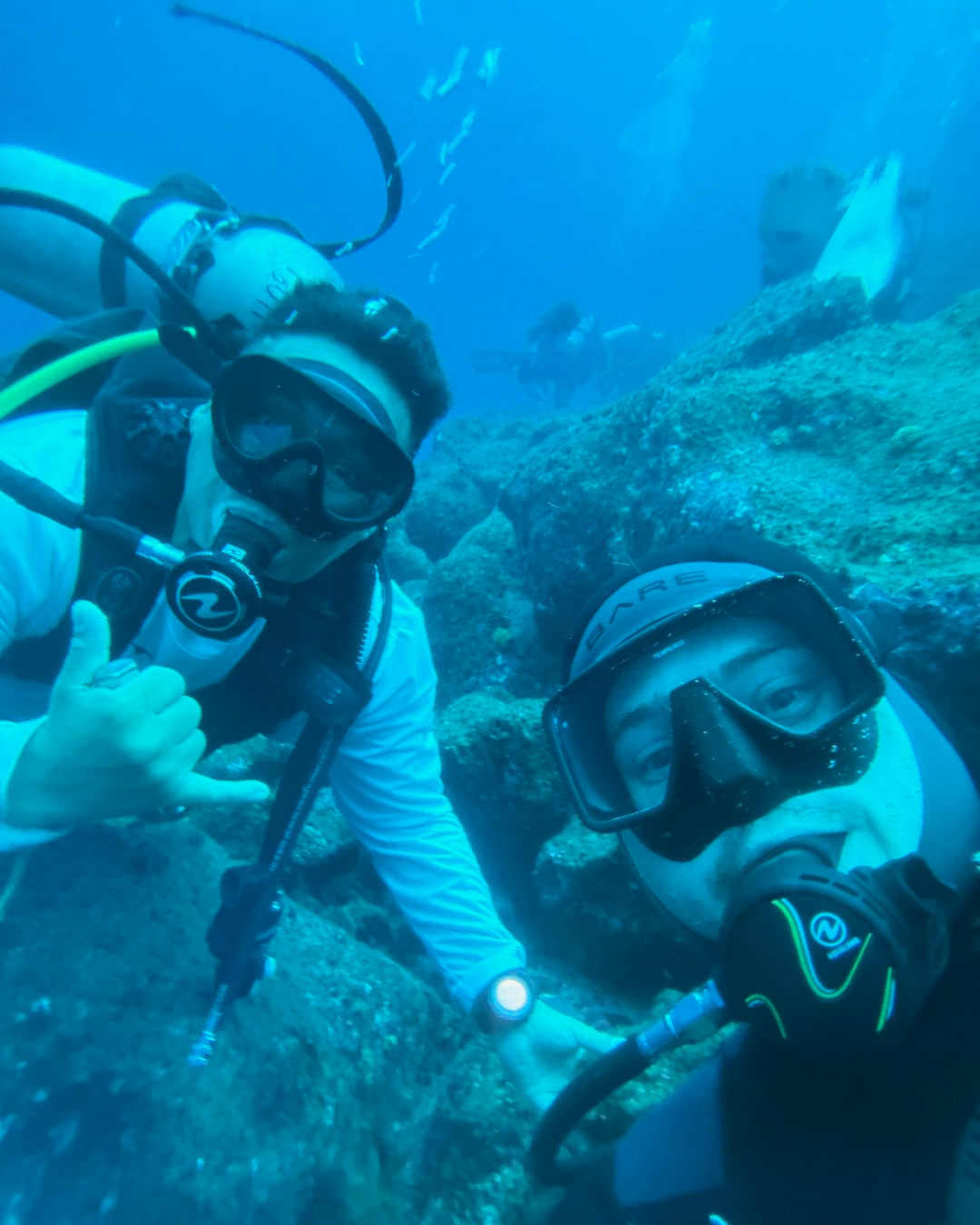
And then the penguins. I’ve wanted to dive with penguins for years, and on this trip I finally did. Absolutely epic.
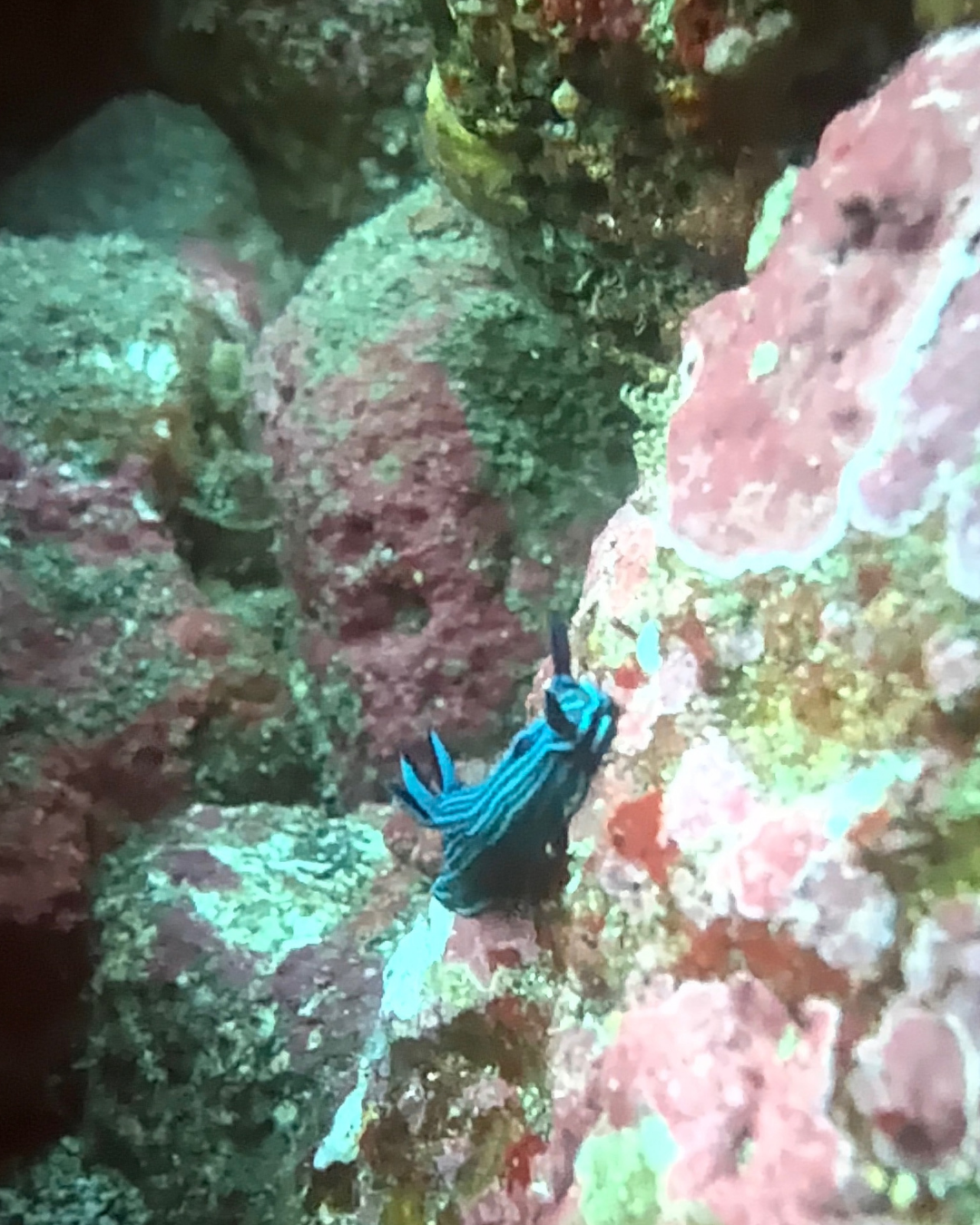
Topside: blue-footed boobies and giant tortoises
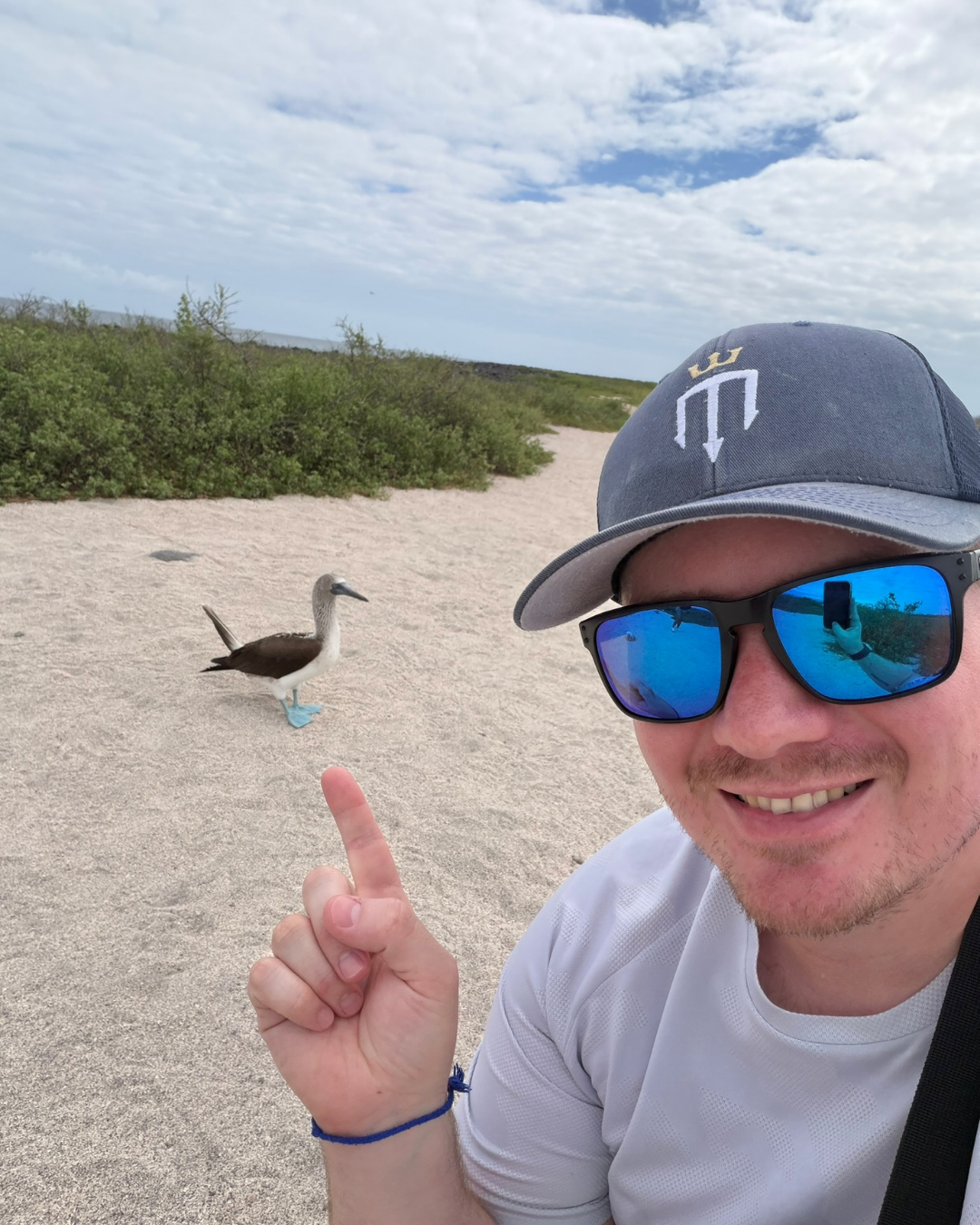
The trip isn’t all underwater. We had two land tours, and both were brilliant. We saw blue-footed boobies up close, and on Santa Cruz we met a different species of giant tortoise, noticeably bigger than the ones on San Cristóbal. Each island has its own. One of the tortoises we saw was, we were told, more than 70 years old.
Diving the Galápagos in an El Niño year
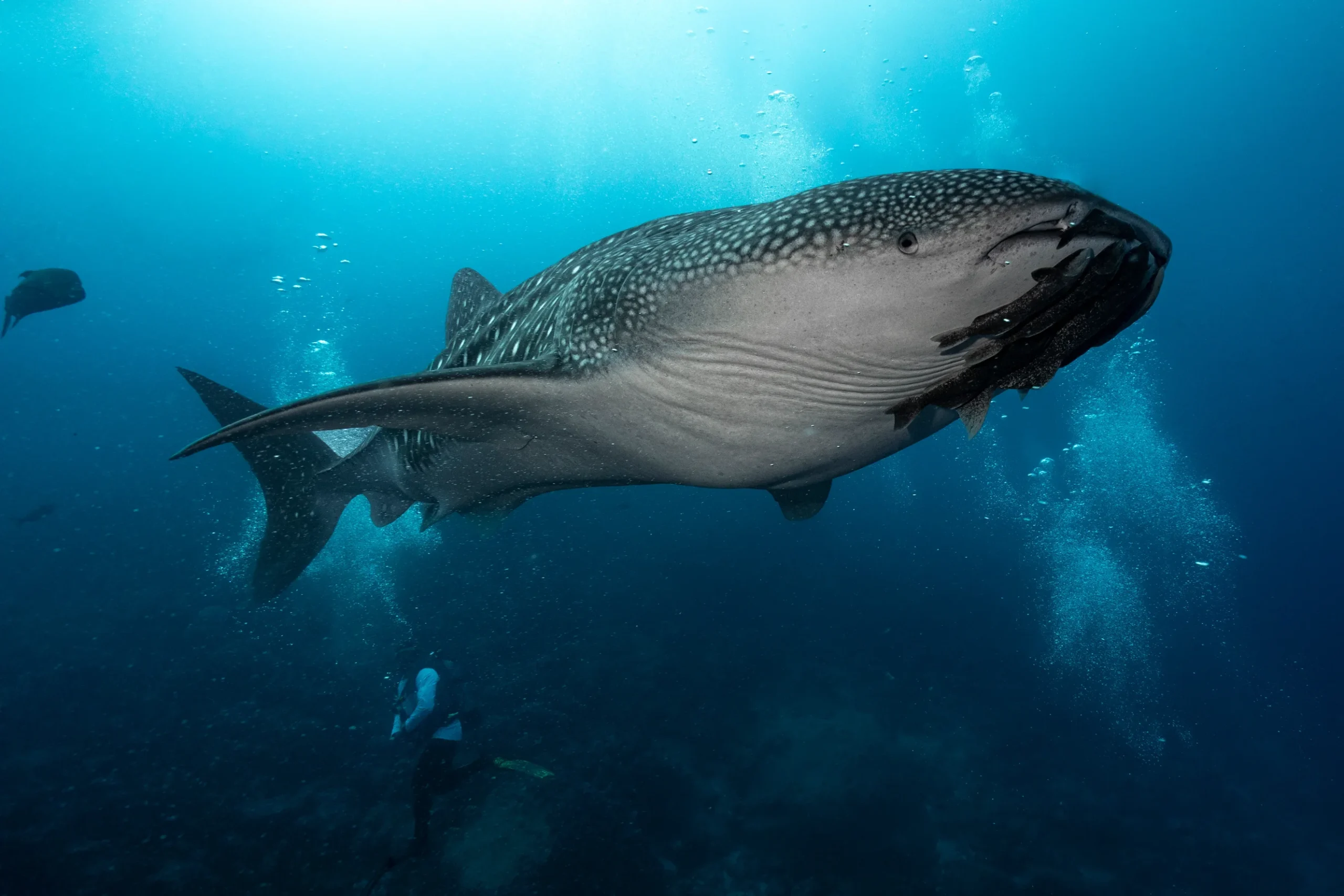
My trip fell in an El Niño year, and the water was a lot warmer than usual. The diving was still fantastic. We didn’t see whale sharks or mola mola on our trip, though other trips that summer did. But I ticked off everything on my own list: marine iguanas, sea lions and penguins.
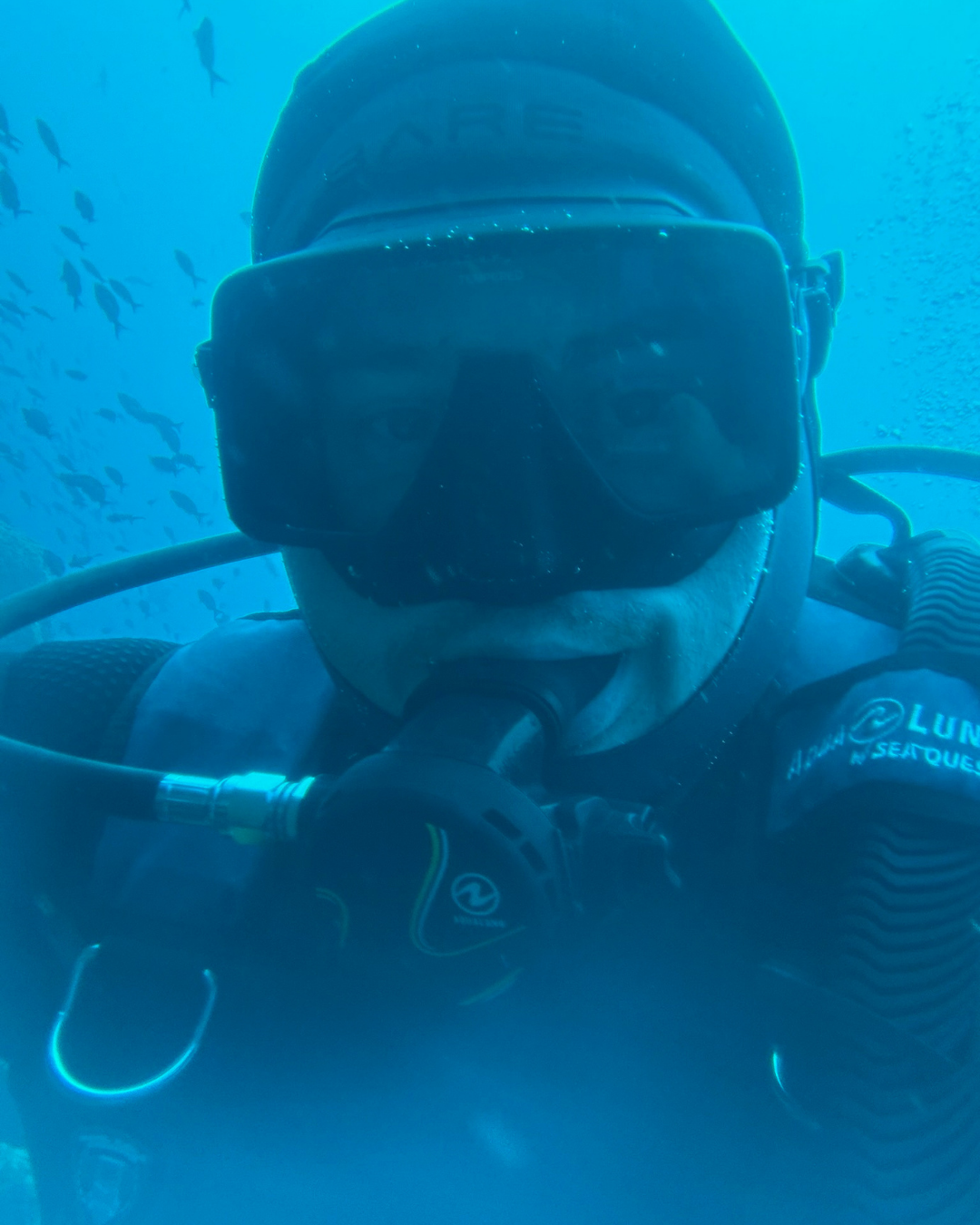
That’s the Galápagos. It’s wild, and it doesn’t run to a script.
Crossing the equator: from pollywog to shellback
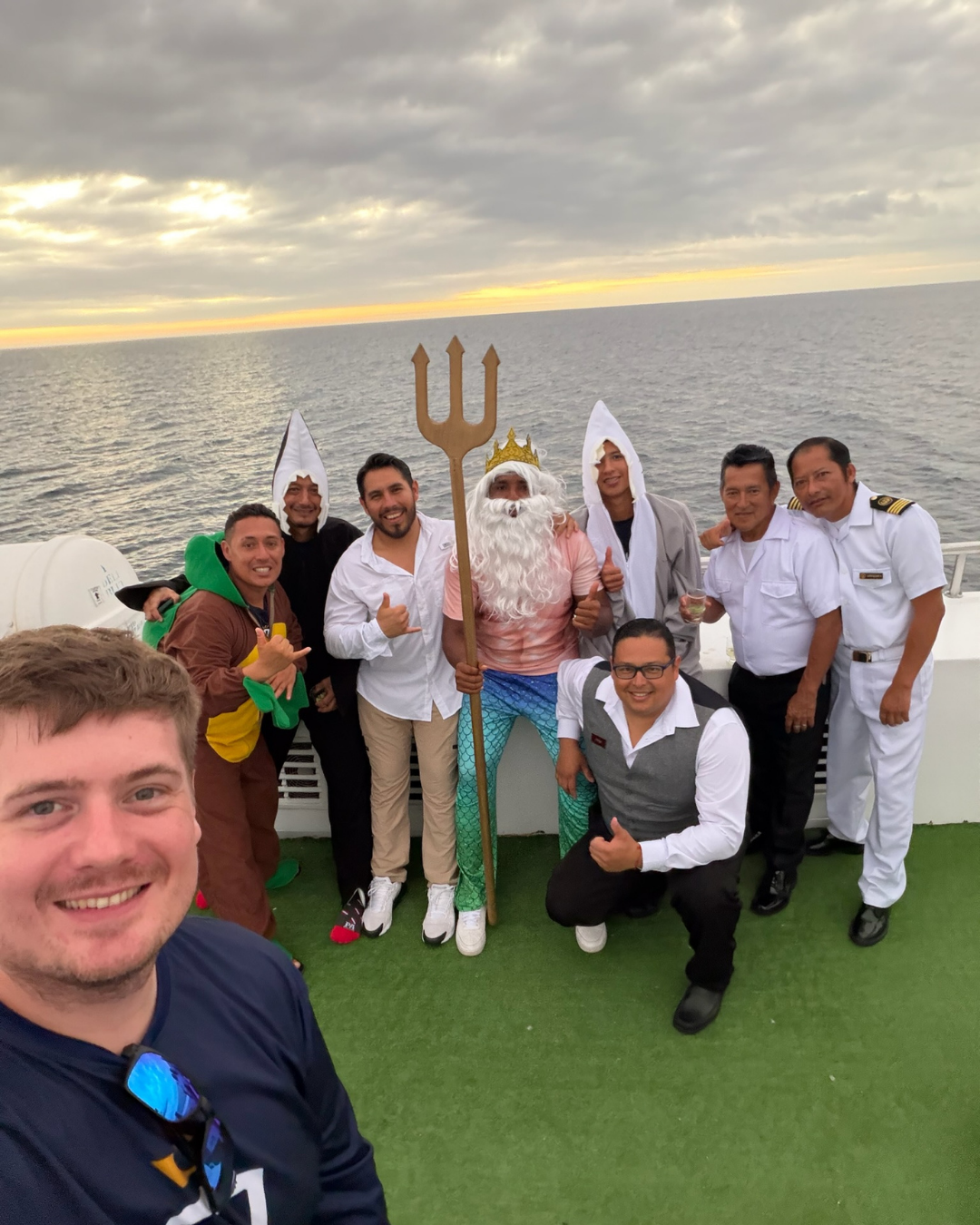
Towards the end of the trip, as we made our way back across the equator, the crew held the traditional line-crossing ceremony. Poseidon made an appearance, and every pollywog on board took a shot of the local drink to be welcomed as a shellback. Super fun, and a proper Galápagos memory.
Should you go?
Do it. The Galápagos is out of this world. It’s what the rest of the world should be like: raw, untamed, magical, untouched, with marine life that isn’t scared of humans.
Galápagos liveaboard diving FAQs
How do you get to a Galápagos liveaboard?
Fly internationally into Quito or Guayaquil, then take a domestic flight to the islands. Galapagos Master trips start from San Cristóbal. I’d build in a night near Quito airport either side.
Do you need diving experience for the Galápagos?
Yes, it’s not a beginner destination. Expect currents and thick wetsuits.
Will I see hammerheads at Darwin?
Darwin is famous for them, and I saw more than I’d ever seen anywhere. As with all wildlife, sightings vary from trip to trip, but Darwin is as close to a sure thing for hammerheads as diving gets.
Is it worth spending time on land before the liveaboard?
Absolutely. Three days on San Cristóbal gave me tortoises, sea lions, viewpoints and my first marine iguanas, and it’s a great buffer before boarding.