
Cuanto más sepas sobre cada pecio de Laguna de Truk, más disfrutarás de tus inmersiones. En una serie de artículos sobre los pecios concretos de la laguna te daremos un poco de historia adicional. En esta edición, el Rio de Janeiro Maru.
Datos rápidos
| ESLORA | 140 metros |
| TONELAJE BRUTO | 9626 toneladas |
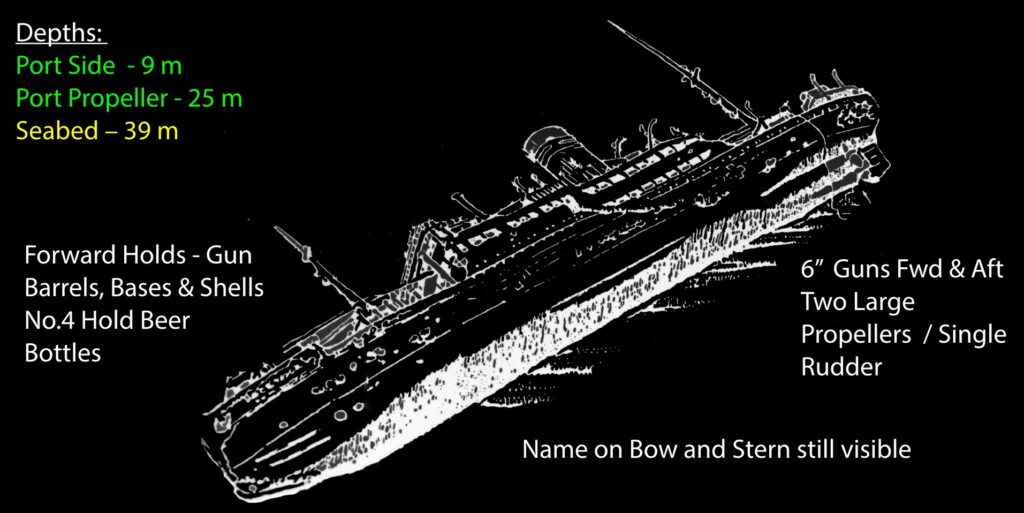
| PROFUNDIDAD EN EL FONDO | 35 metros |
| PROFUNDIDAD MEDIA | 23 metros |
| PROFUNDIDAD EN EL PUNTO MÁS SOMERO | 9 metros |
| ACCESIBILIDAD | Buceadores de todos los niveles - nitrox recomendado |
Nacimiento del Rio De Janeiro Maru
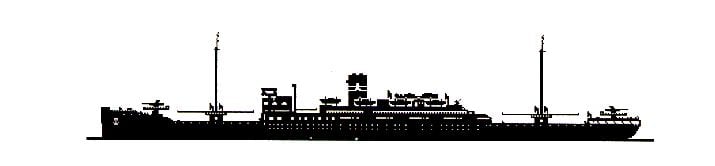
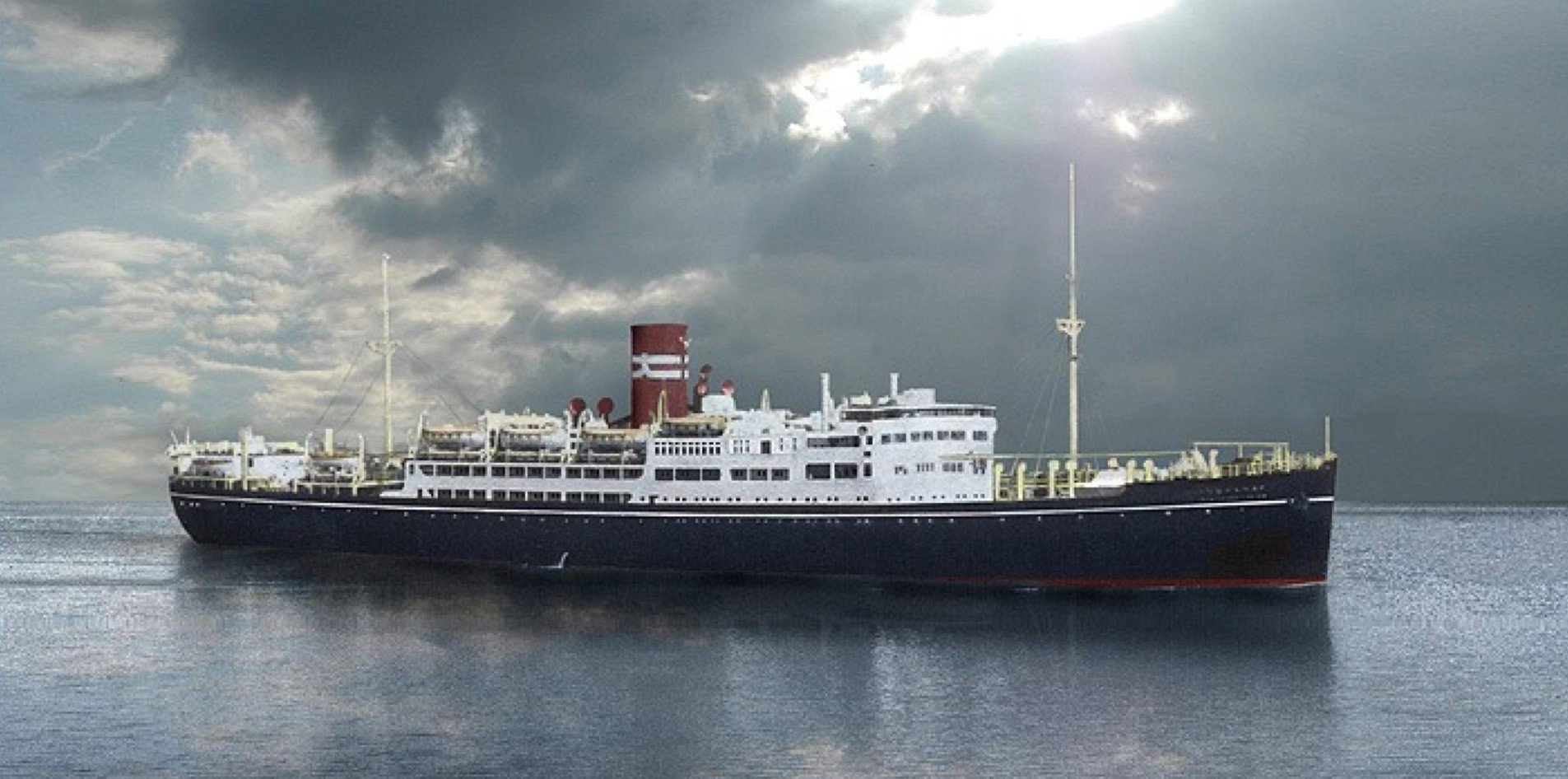
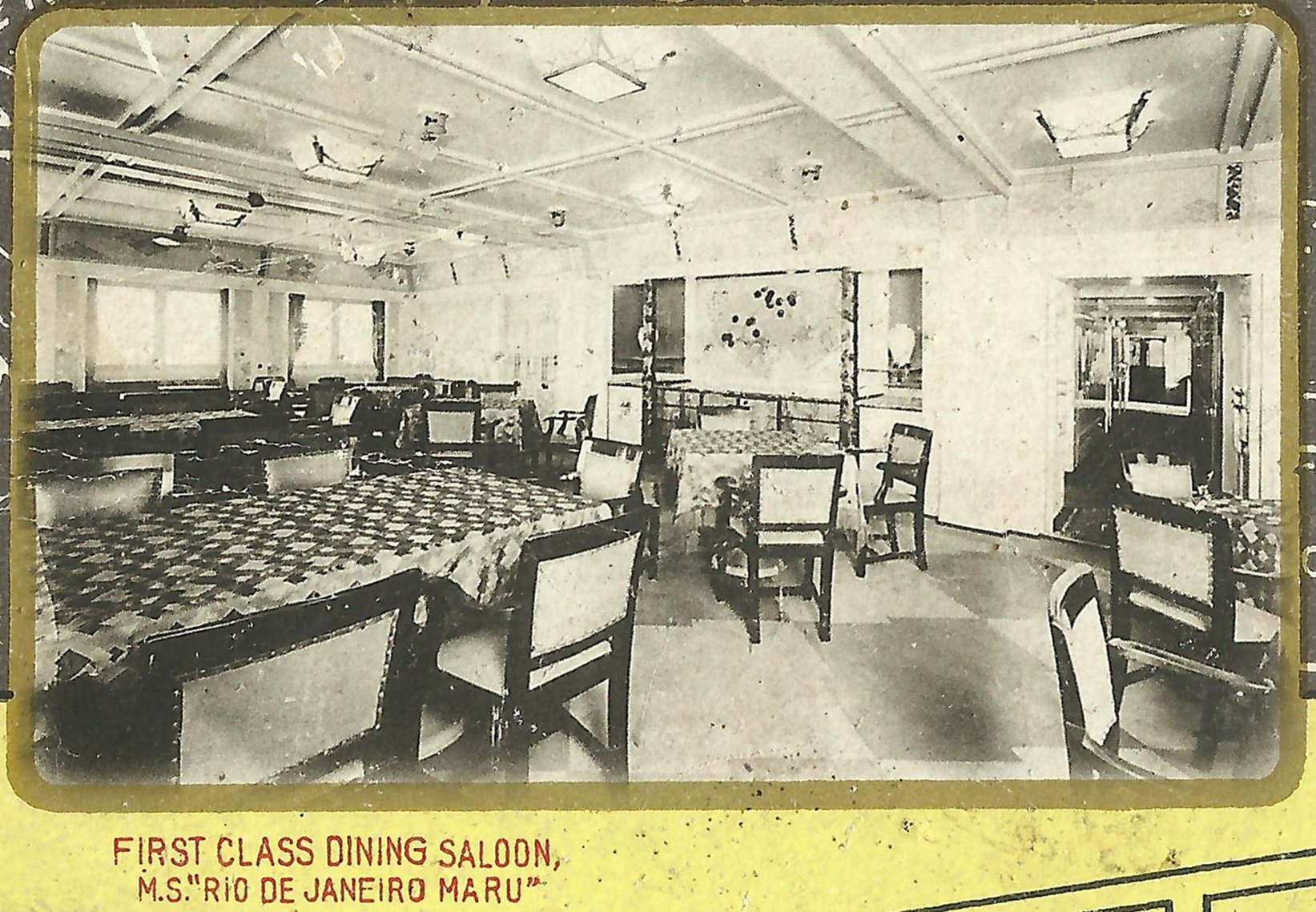
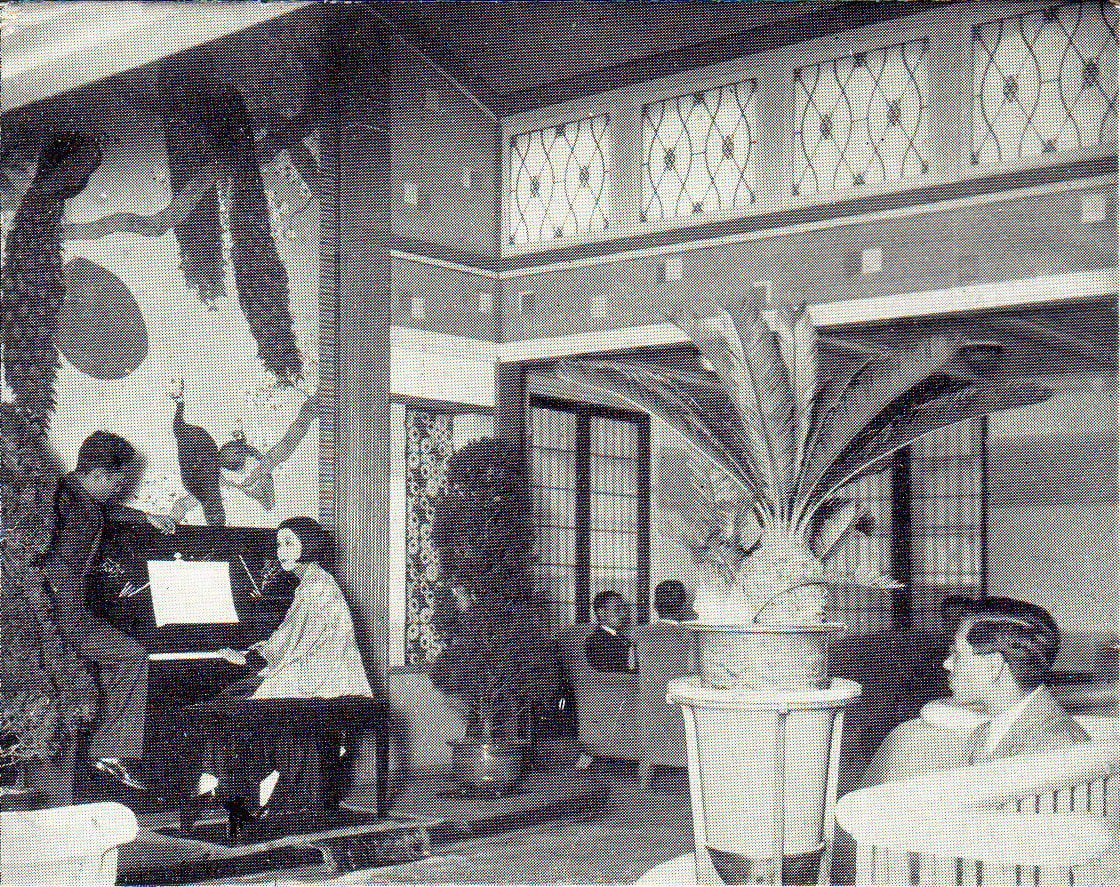
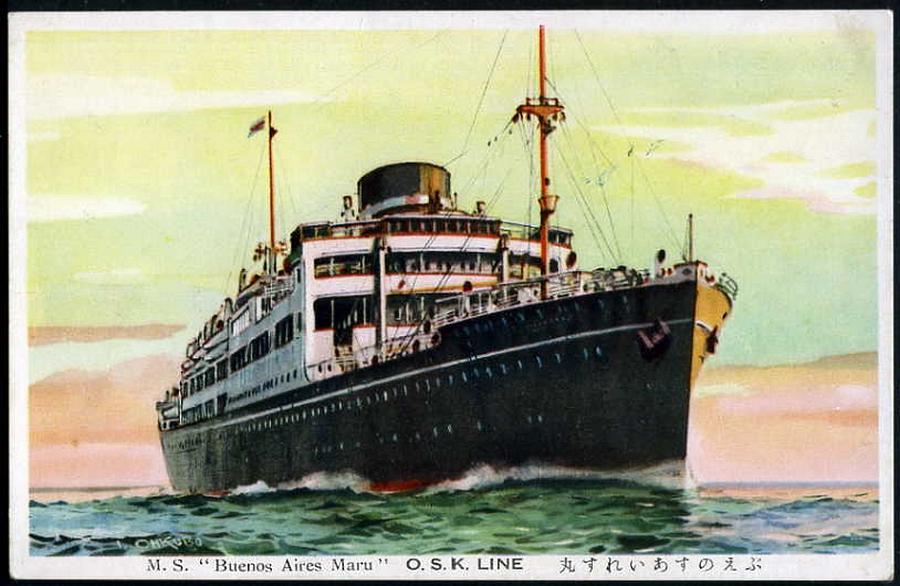
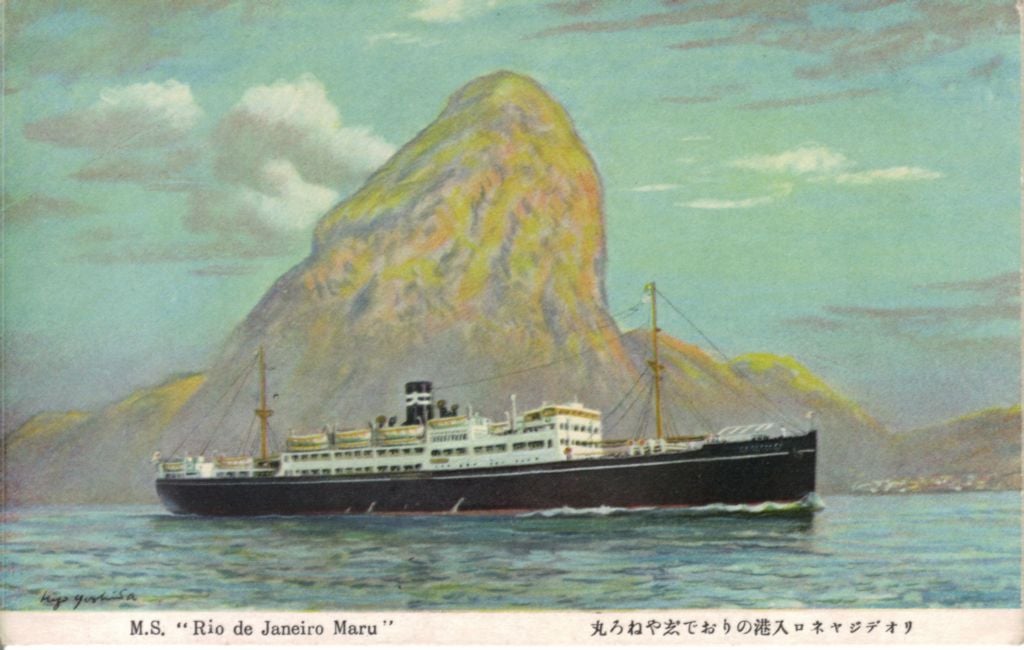
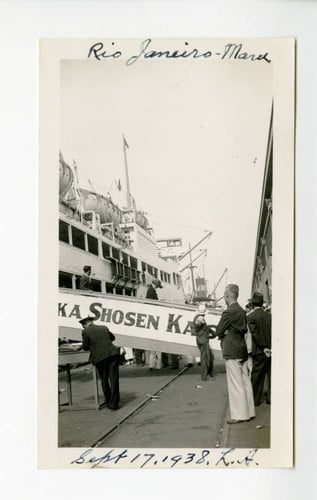
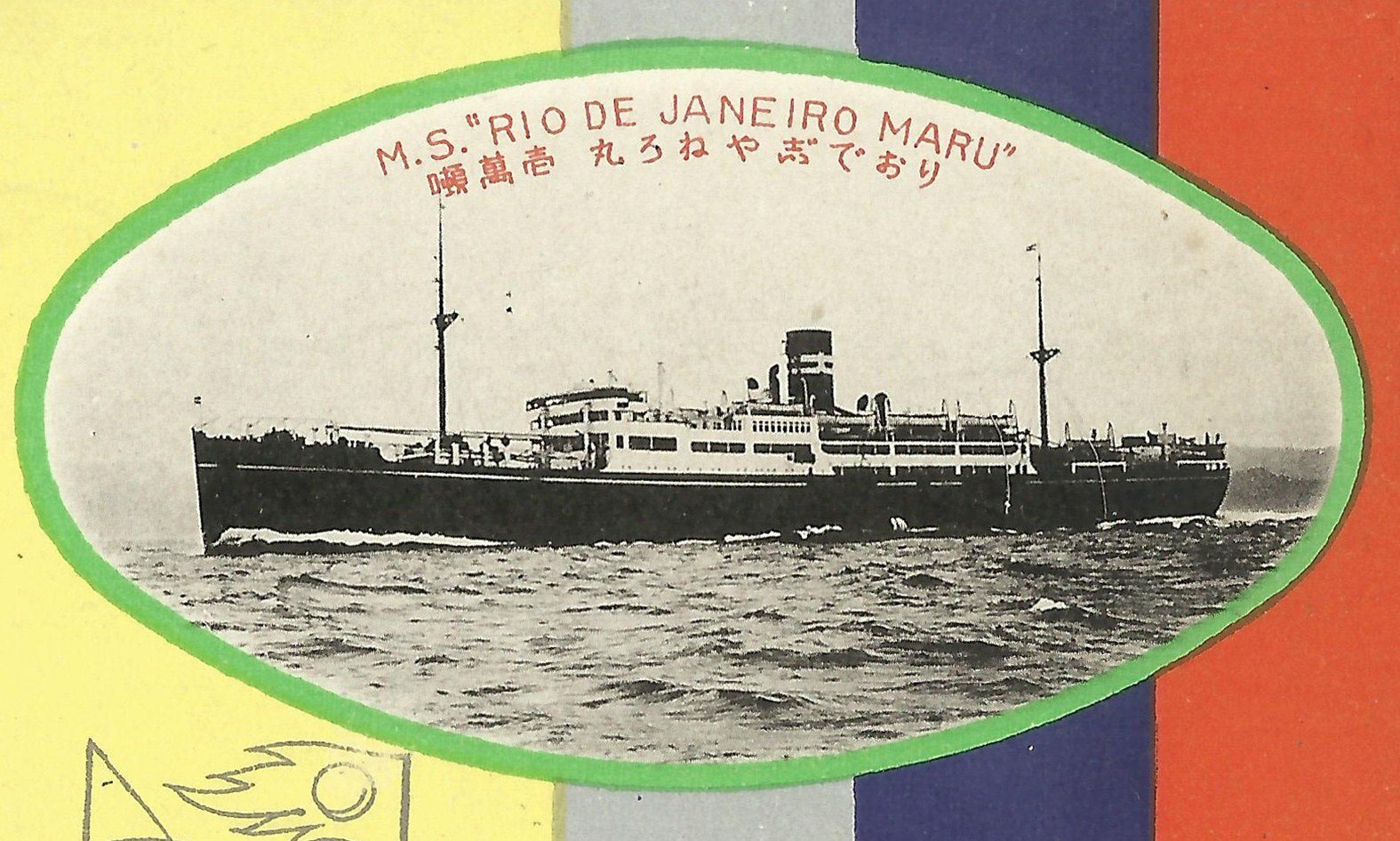
The Rio de Janeiro was a large, 8-deck luxury passenger-cargo liner. She started her life in 1929 in Mitsubishi Shipbuilding in Nagasaki. She was delivered to Osaka Shosen Kaisha (OSK) Line and was used primarily on routes between Japan and South America. This might seem an odd route, but at the time there was quite a large migration of people searching for a better life than they had in Japan. The migration demand so was big that her sistership, Buenos Aires Maru, soon joined her.
Three quarters of all Japanese prewar immigrants to Brazil arrived between 1925 and 1935, when Japan was preparing for its military and territorial expansion in Asia. Their numbers were so big that in 1933, immigrants from Japan numbered 24,494 or 53.2 percent of all immigrants entering Brazil that year. Most hoped to return home when they had made enough money as plantation workers to start over in Japan. Often, they were not paid the agreed upon wages and living and working conditions were far worse than expected. They were forced to buy their food and other supplies at exorbitant prices at stores owned by plantation owners.
Podía transportar 1140 pasajeros y realizó varios viajes de ida y vuelta hasta 1937.
Ese año, la OSK Line inauguró un servicio de vuelta al mundo y el Rio De Janeiro era una de las embarcaciones que cubría esa ruta. Imagina: de Yokohama a Hong Kong, a Singapur, a Colombo, a Durban y Ciudad del Cabo, cruzando hasta Río de Janeiro y Santos, siguiendo hacia Montevideo, Buenos Aires y de vuelta a Belém, Cristóbal, Balboa para llegar finalmente a Los Ángeles. ¡Menudo viaje debió de ser!
Servicio militar
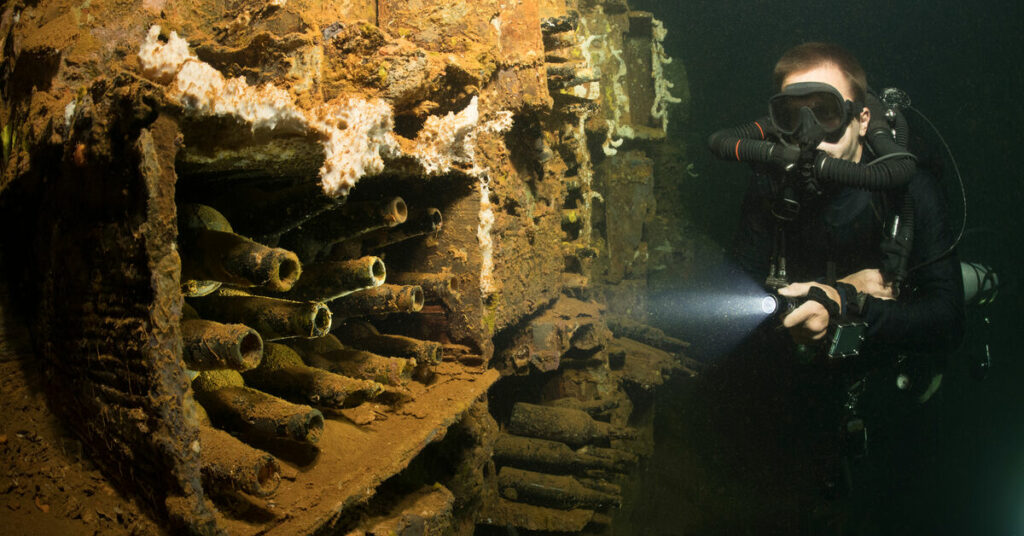
She sank due to a bomb hit on the first day of the attack. Ask guide to take you on tour of insides and huge engine room. Bow shows evidence of internal explosions from stored ordnance. Old 6” guns from scrapped cruisers in hold, probably destined to coastal battery. Crates of beer bottles in hold. Very large props and rudder.
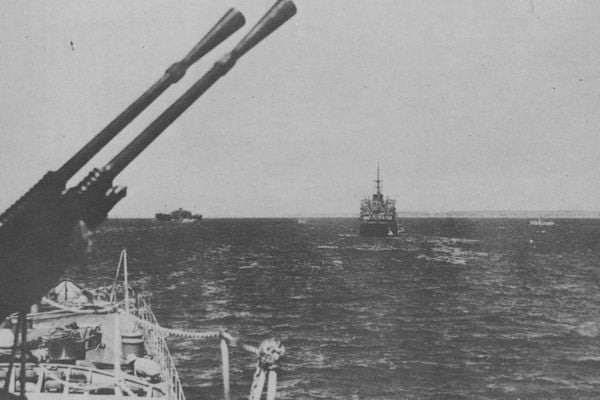
The Imperial Japanese Navy requisitioned the Rio in 1940 and initially converted her into an auxiliary transport ship. At this point she became an armed vessel with the installation of anti-aircraft guns. Her new designation would only last 6 months. The Navy decided in 1941 that she was to become a submarine tender ship and she began another conversion. This meant more weaponry and facilities. Four 5.9 inch guns, a range finder, anti-mine coils, a hangar for torpedoes and depth chargers, medical facility and storage to be exact.
Permaneció en el sudeste asiático en servicio hasta 1942, cuando finalmente fue desplegada en el Pacífico. Por desgracia sufrió un impacto y acabó con un enorme agujero de 15 metros por 10 metros. Seis valientes marineros entraron en el compartimento inundado y logró regresar a Singapur para ser reparada.
Después, permaneció de nuevo en el sudeste asiático y se dedicó principalmente a apoyar el esfuerzo bélico japonés en Filipinas e Indonesia. Los prisioneros de guerra la conocían muy bien y, debido a las terribles condiciones a bordo, se la consideraba uno de los muchos 'barcos del infierno'.
Heridas de batalla y hundimiento
During her military service, and even before she entered the lagoon where she now lies, Rio was on the receiving end of battle action. In May of 1942 she was hit by a torpedo north of Borneo that ripped a 46 feet long hole in her side. After repairs, and only 2 months later, she was hit by more torpedo’s off the coast of southern Vietnam, suffering ‘medium damage’. Following this, for two years, though she was attacked multiple times, she suffered no further damage. That was until the 17th February 1944.
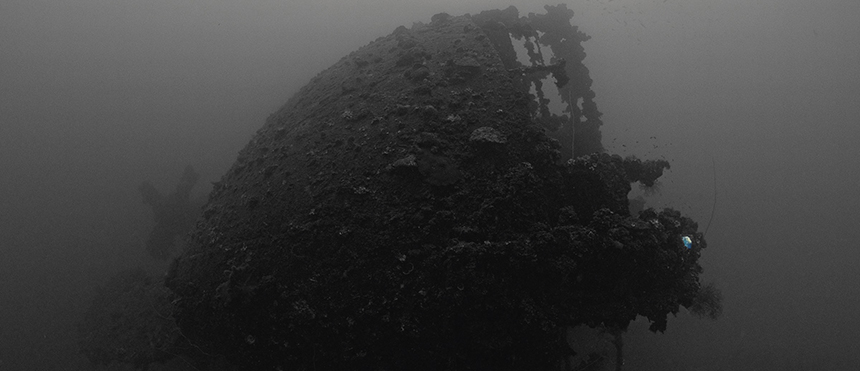
Durante la primera fase de Operación Hailstone, el Rio De Janeiro Maru estaba fondeado al este de la isla de Uman. Recibió el impacto de varias bombas de 1000 libras, probablemente lanzadas por aviones del USS Yorktown o del USS Bunker Hill. Durante el ataque murió su capitán, el capitán Kanemasu. Posteriormente fue ascendido a contralmirante, a título póstumo.
Varias horas después, a las 00:30 del 18 de febrero, el Rio se rindió y se hundió, con la pérdida de otros dos tripulantes.
Bucear hoy en el Rio de Janeiro Maru
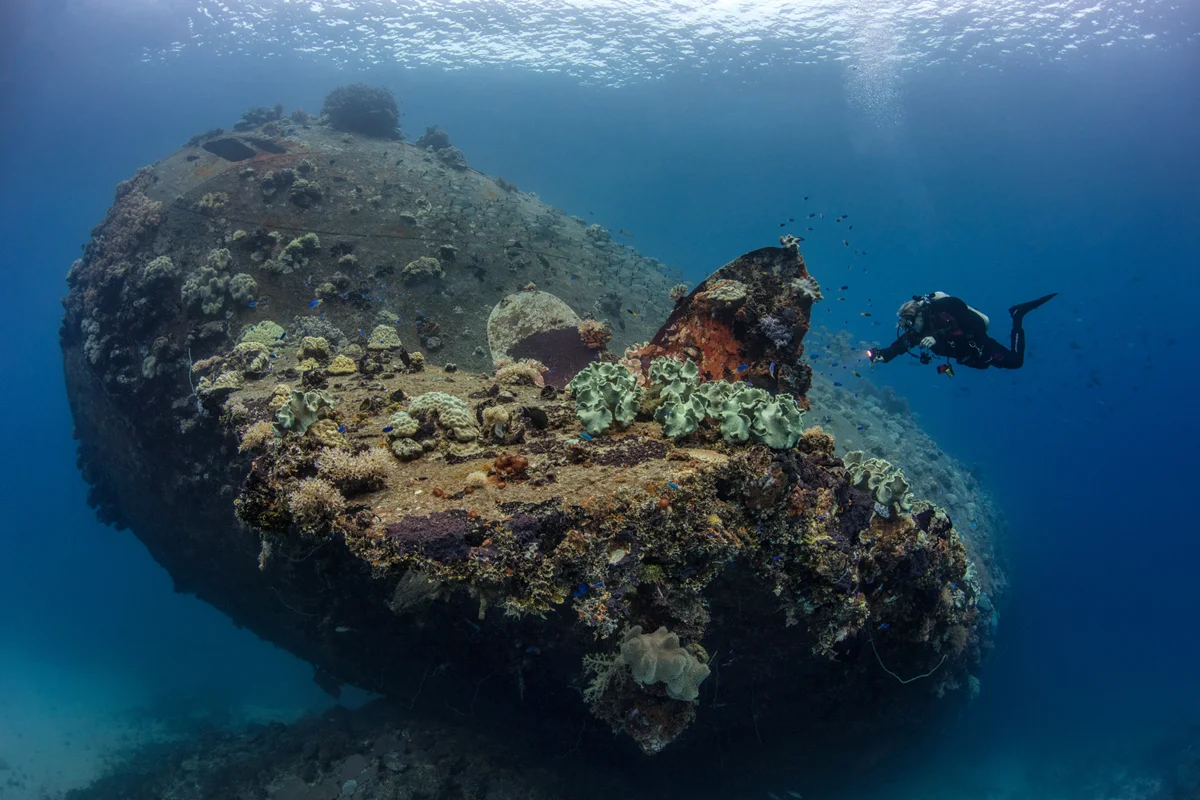
El pecio de 141 metros (461 pies) del Rio de Janeiro Maru descansa ahora sobre su costado de estribor a 30 metros (90 pies). No es un pecio profundo, ni tampoco poco profundo. Para aprovechar al máximo tu tiempo en él, recomendamos bucear con nitrox para evitar la deco. Muchos lo consideran bastante similar al Heian Maru. Sin embargo, puedes hacer fácilmente 2 o 3 inmersiones para verlo en su totalidad.
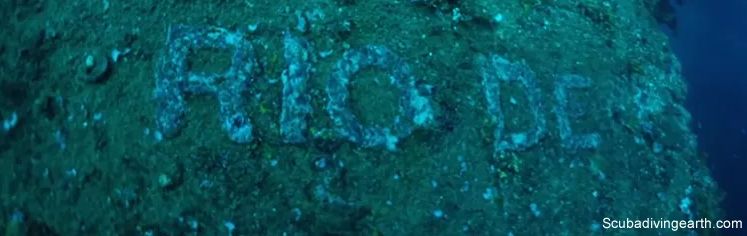
You would normally descend on the bow first and just follow the wreck until the stern before heading back. As she sank, massive fires burned in the fore part of the ship causing the shells there to explode from the inside. The intense heat greatly weakened the bow section which is now starting to collapse. A cool feature though no to miss is that you can still read the vessel name! Even so long afterwards, it is truly a humbling moment.
La popa y el mástil cercano son, sin embargo, icónicos. La popa del Rio De Janeiro tiene un impresionante cañón montado sobre una gran plataforma y un telégrafo de atraque. Pero si te alejas un poco, verás sus icónicas hélices y su timón único. ¡Aquí hay una foto que no te puedes perder!
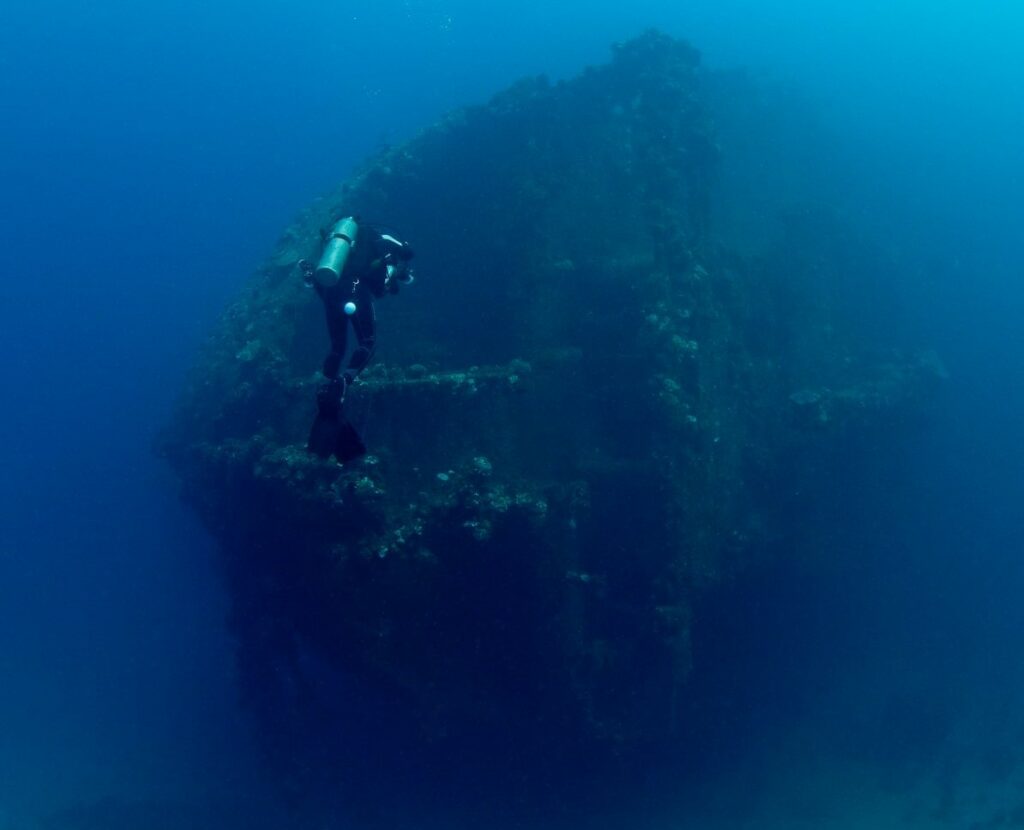
El exterior también está cubierto de coral y vida marina.
Interior
El interior está bastante deteriorado, pero la sala de máquinas merece sin duda una visita. Es uno de los puntos más destacados de este pecio. Todavía se pueden ver todos los paneles eléctricos, los distintos motores y las herramientas.
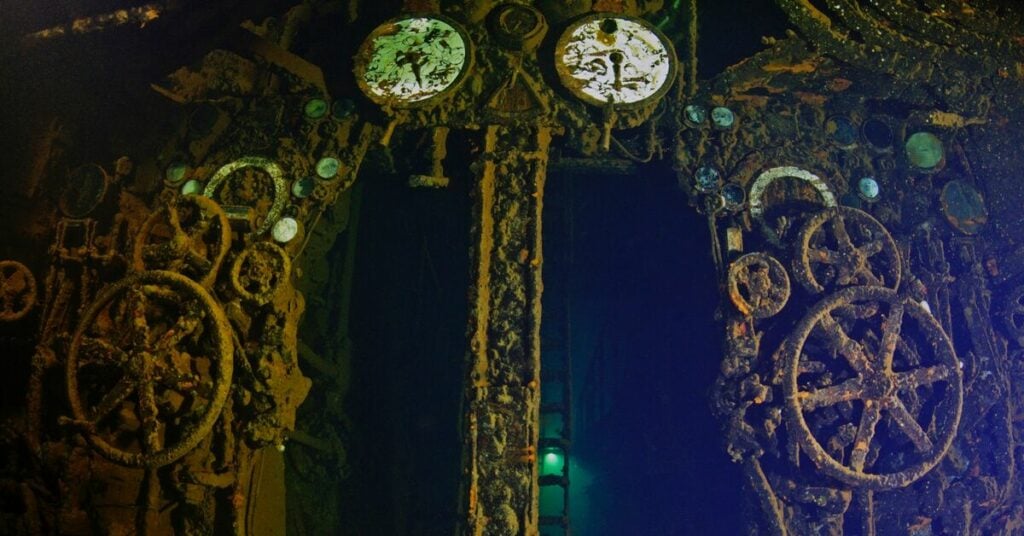
En las bodegas, especialmente las de la parte trasera, encontrarás una torreta de rueda mecanizada de 5 m (16 pies) cubierta de corales, cañones y cajas apiladas de botellas de cerveza. Algunas siguen dentro de sus embalajes.
Para más información sobre el buceo en el Rio de Janeiro Maru y otros pecios del lago Truk, no dudes en contáctanos. O, si quieres ver el Rio ahora mismo, puedes reservar online.
About the Author