
People go scuba diving for various reasons. Some divers are primarily interested in coral reefs, some in wrecks and their history, and others in the animals that call any underwater environment home. Whichever category you fit into, here are four reasons why diving in Truk Lagoon should be on your bucket list.
1. WWII Wrecks

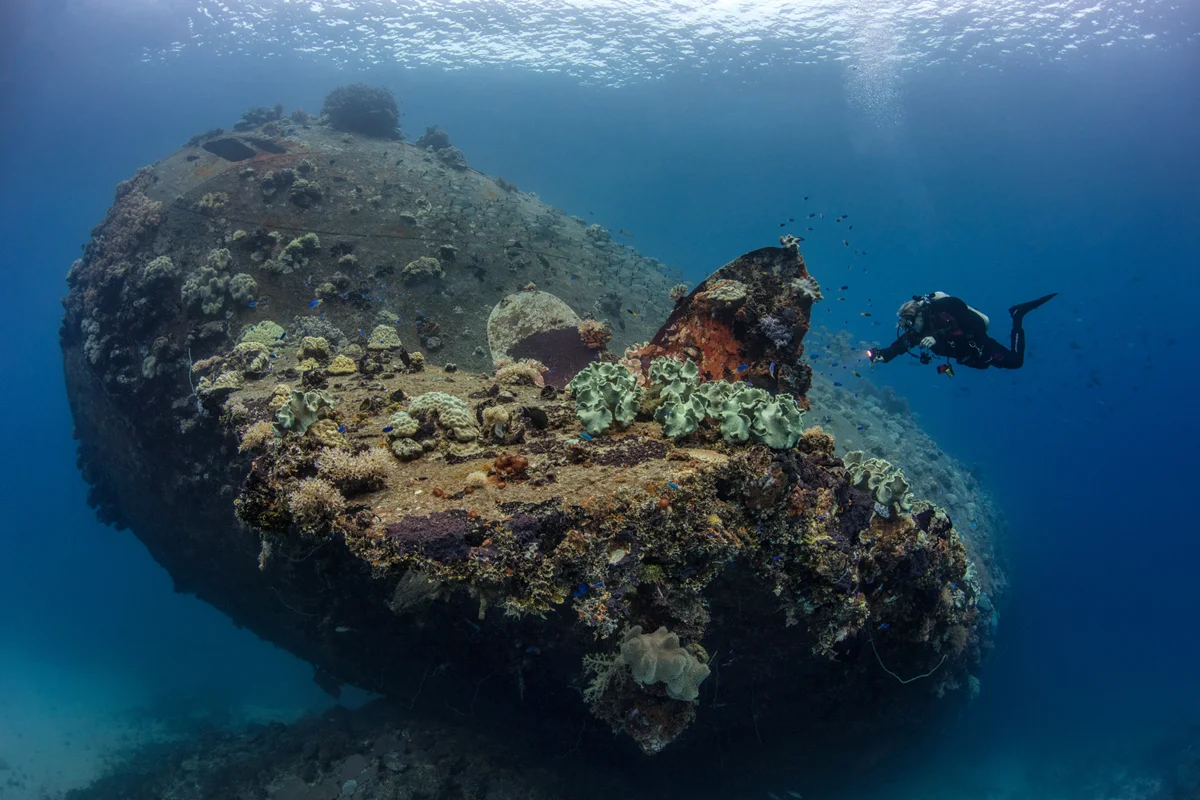
Jacques Cousteau’s 1971 documentary, Lagoon of Lost Ships, first introduced the world to the haunting remnants resting at the bottom of Truk Lagoon. Since then, the sunken Imperial Japanese Naval Fleet has become widely recognised as the undisputed wreck diving capital of the world, offering an unparalleled underwater experience.
While the wrecks share the same historical value, each one has its unique character and story, so it would be difficult to pick one that stands out over another. Nowhere else in the world are there so many fascinating wrecks in proximity to each other in relatively shallow water.
It’s a common misconception that wreck diving in Truk Lagoon is only suitable for technical divers. Many of the wrecks are well within recreational depths, from 10 to 30 meters (30 to 100 feet), and some are even visible from the surface. There are also deeper wrecks to keep the techies happy within the 45 to 60 metre (150 to 200 foot) depth range. There is something here for all divers!
Wrecks for technical divers: Nippo Maru, San Francisco Maru, Aikoku Maru, Hoki Maru.
Wrecks for recreational divers: Heian Maru, Sankisan Maru, Fujikawa Maru, Kensho Maru, Shinkoku Maru and Rio de Janeiro Maru.
2. Corals and marine life

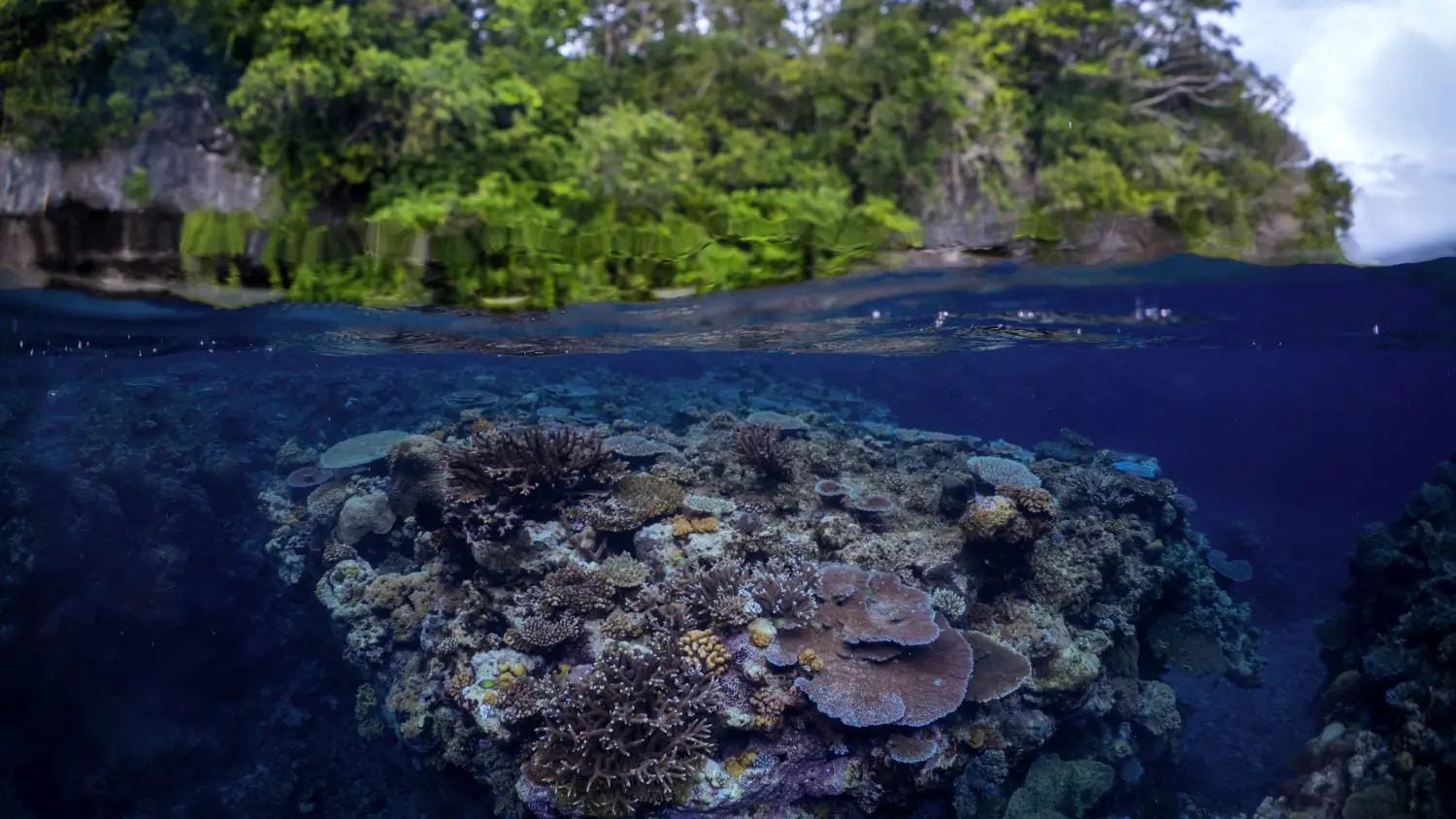
For those who also love to see the pretty stuff, Truk is a destination that won’t disappoint. Sunken ships and planes ravaged by war are much more than hunks of rusting metal. They also attract marine life, creating their own ecosystem. Once the scene of death and destruction, they are now the foundations for growth and life.
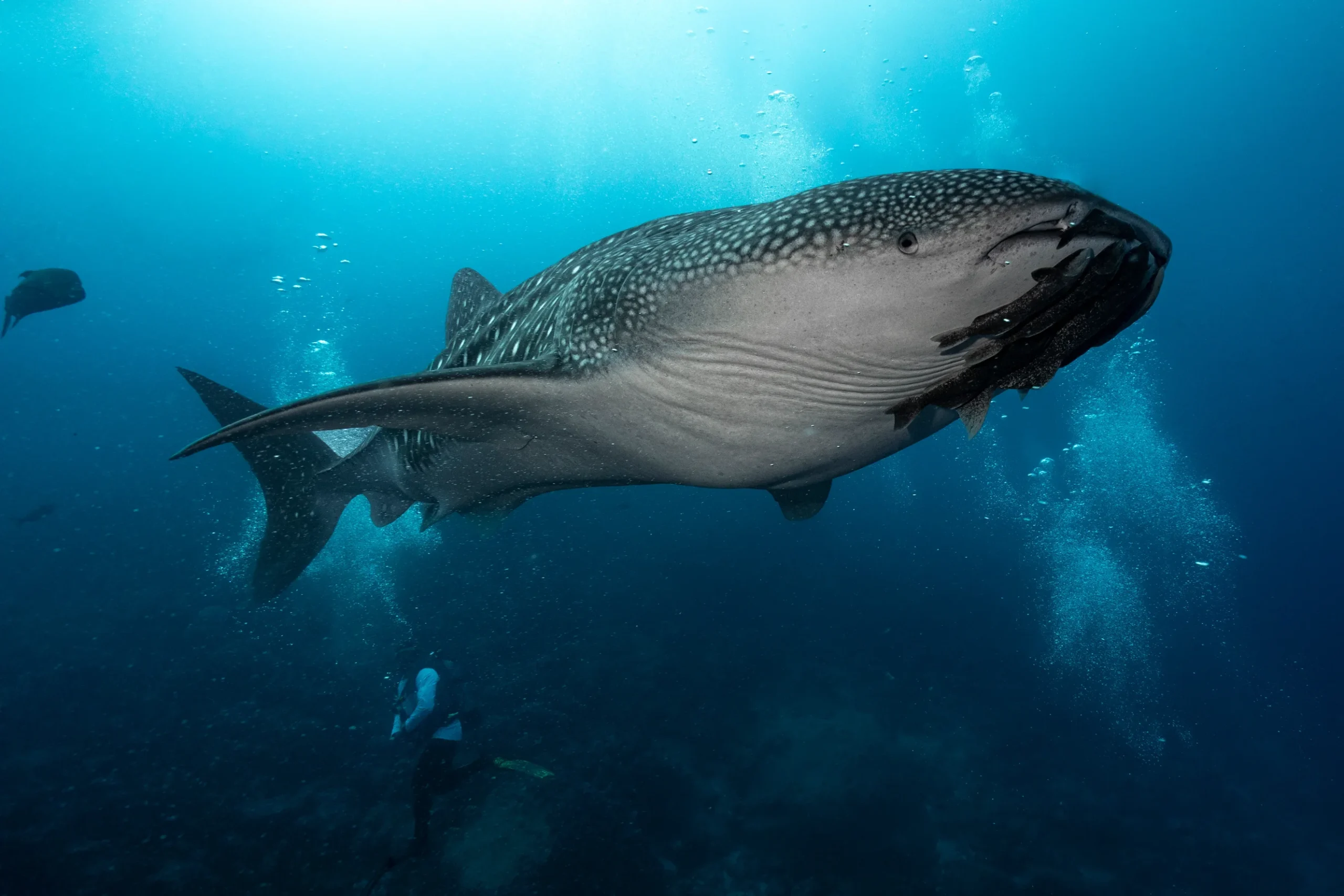
The fauna and flora are abundant on and around the wrecks, and a variety of sharks can often be seen in the vicinity of the wrecks. Expect blacktip and whitetip reef sharks, eagle rays, eels, clownfish, plenty of macro animals and even dolphins, along with a kaleidoscope of colourful corals to attract your attention.
3. Excellent diving conditions

The diving conditions in Truk Lagoon really couldn’t be better. The waters are calm and warm, around 28°-29°C (82°- 85°F). There are no thermoclines and currents are minimal. And, since most of the wrecks sit on white sand, there is plenty of light. Visibility typically is around 30 metres (100 ft).
4. The historical monuments of Truk Lagoon

While Truk Lagoon is frequently called ‘Wreck divers’ paradise’, it is perhaps better described as a poignant underwater memorial. Once sunk, the wrecks turned into time capsules containing reminders of battles fought and lives lost. To this day, the presence of so many sailors’ personal belongings inspires a quiet reverence, offering divers a profoundly different perspective on naval battle history.
The extent of the destruction that occurred during Operation Hailstone is almost unimaginable. No matter how many history books you read, true comprehension is elusive until you see it for yourself.
With so many large wrecks and artefacts to explore, Truk Lagoon is a destination any diver could visit several times and still not see everything.
Dive into history with Master Liveaboards! Book online today!