
The story behind most of Palau wrecks is not a happy one. Operation Desecrate One sank over 40 Japanese vessels in Palau on 30th and 31st March 1944. At the height of WW2 and right after Operation Hailstone, this US navy operation was just a small part of the larger Operations Reckless and Persecution. This was just a stepping stone to the Allied forces re-controlling the Pacific.
Operation Desecrate One
The Japanese troops were experiencing a difficult and desperate campaign in the Pacific at that time. Following the loss of many battles and many of the navy vessels (see Truk Lagoon!), the forces were in full retreat and started using Palau as their main base. The Allied forces realised this and decided to strike again to push them further away. The ultimate goal was to re-capture New Guinea.
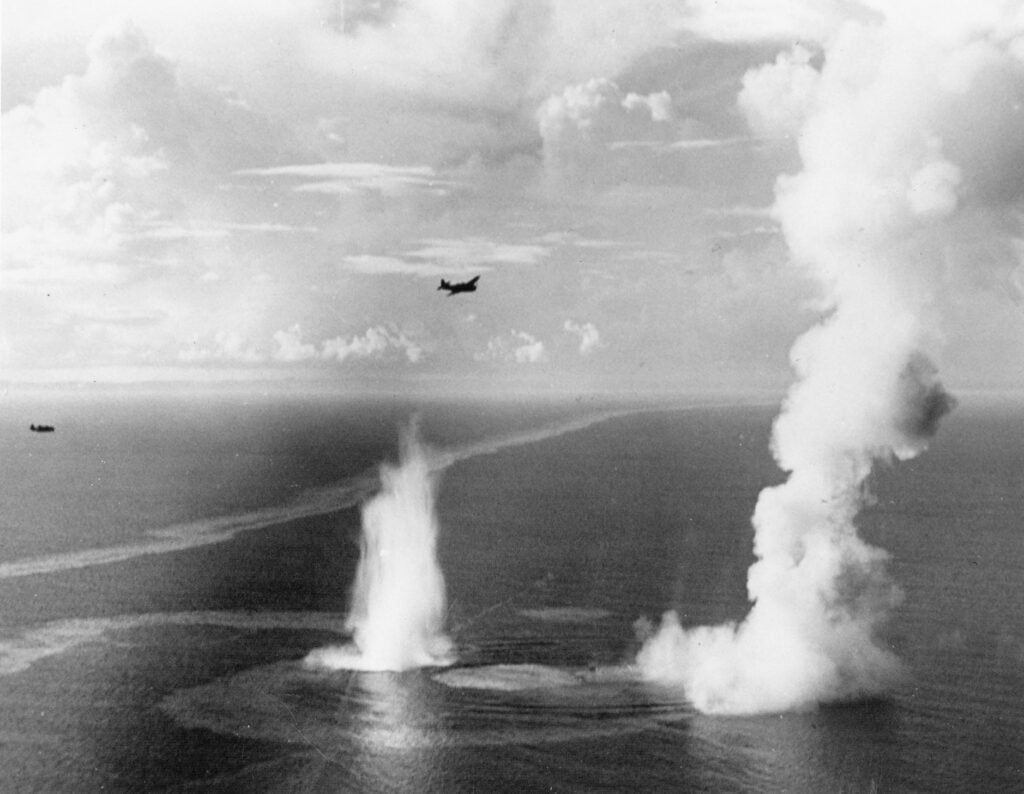
The further the Japanese were, the most chances of success they would have of course. So when the Japanese forces re-consolidated on Palau, the US navy decided to organise an air strike. This Operation Desecrate One not only took place on Palau but also on neighbouring islands in the Western Carolinas, such as Yap. The goal was to destroy as many naval and merchant ships as possible and to mine entrance channels to prevent any further use. Assembling over 80 ships, they zoomed in on the Japanese forces in Palau.
Even without this show of power, the Japanese forces were doomed from the beginning. This was due to the concept of the Combined Fleet.
Combined Fleet
The number of military vessels was so insufficient that commercial vessels had to be used for military purpose in the later part of the War. The Japanese vessels in Palau mostly consisted of refitted vessels.
For example, the Chuyo Maru was originally built as a coastal freighter and then converted into an Army cargo ship. Another wreck found in Palau, the Buoy # 6 wreck, was a fishing boat converted into a submarine chaser.
You may think it is OK to convert a commercial ship for military service. In theory, it is but in reality these converted vessel often lack efficiency.
- They were not well equipped for combat activities. Most of them had only one or two gun turrets to fight against enemy aircrafts. This lack of ammunition made battles more difficult to win.
- They were slow speed vessels and so too slow to catch up with other members of the fleet such as battleships, cruisers and destroyers.
- Many were already heavily damaged by the attack in Truk and hardly managed to escape with the other vessels of the fleet.
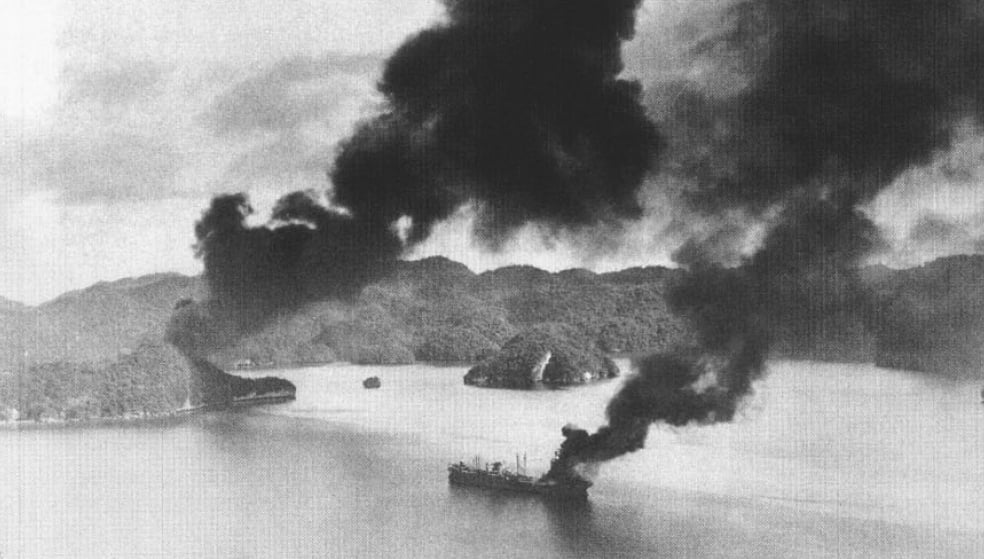
It is clear that the vessels the Japanese had left in Palau were in fact abandoned as a “third wheel” of the Combined Fleet.
And after?
If that was not enough, more operations followed in Palau. Operation Snapshot (a photo reconnaissance) was followed by Operation Stalemate II. That name may not ring any bells, but we are sure you know it as the Battle of Peleliu. By the end of November 1944, the Japanese forces had been pushed back to Japan. Soldiers were still on for some ferocious times, but Palau and the Carolinas were under Allied control. Over the course of 6 months, over 60 Japanese ships were sunk in Palau.
And nowadays?
Of the 60 shipwreck wrecks initially sunk in Palau during World War II, many had been salvaged. In the years following the war, they were sold as scrap metal to pay for war claims.
Some wrecks vanished, never to be found, and to date remain a mystery. Some of wrecks though are still here and will be fantastic dives during your liveaboard onboard Palau Siren. Knowing the story behind those wrecks in Palau will certainly give you another point of view.
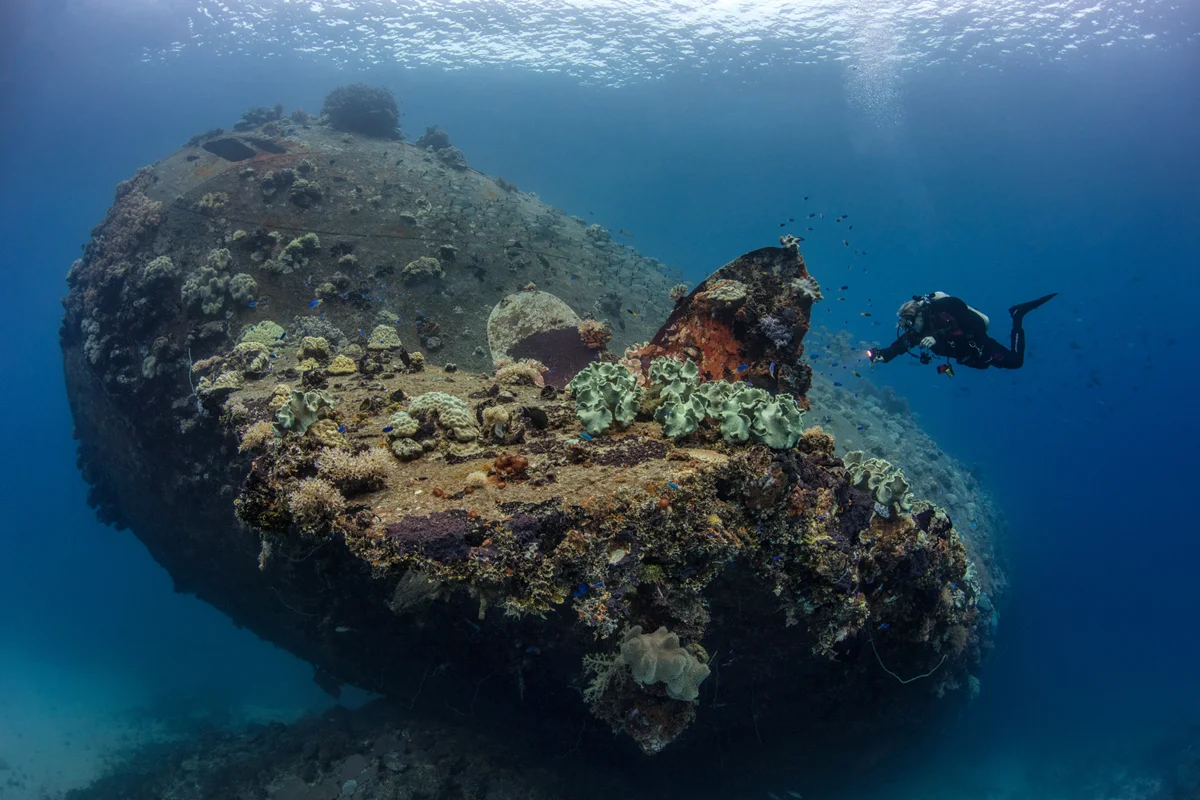
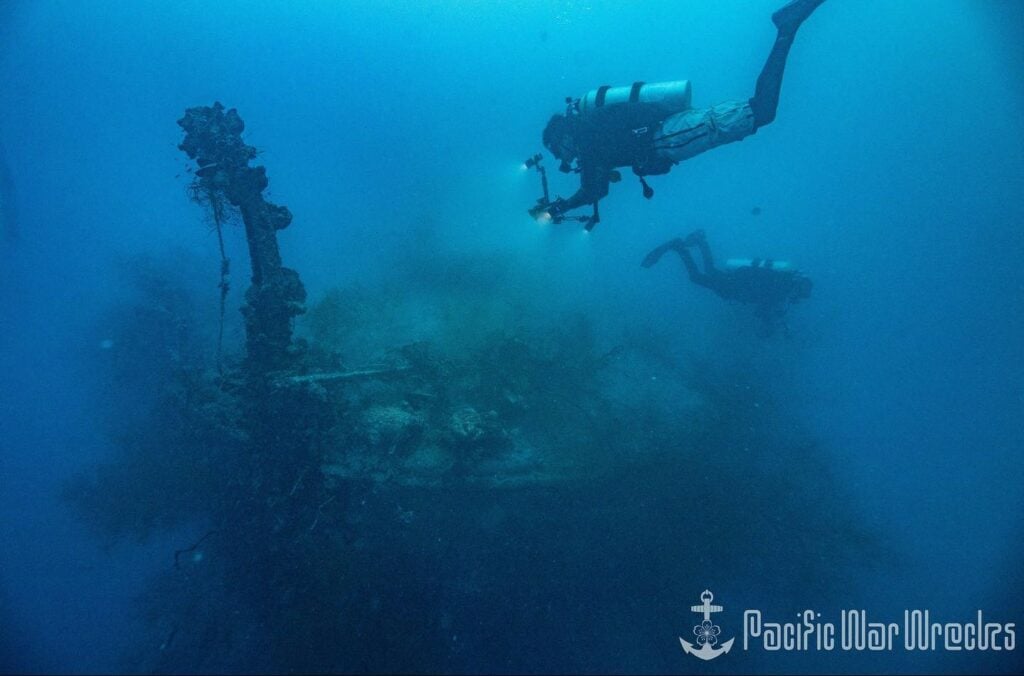
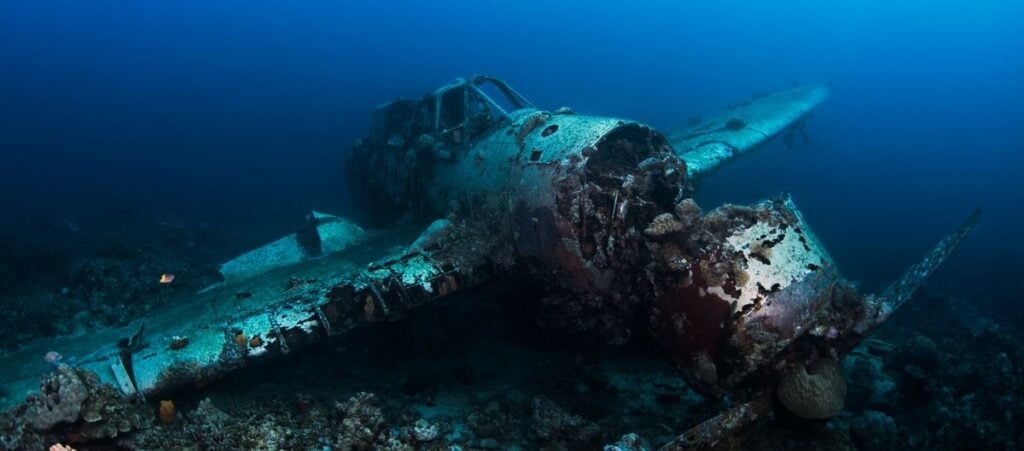
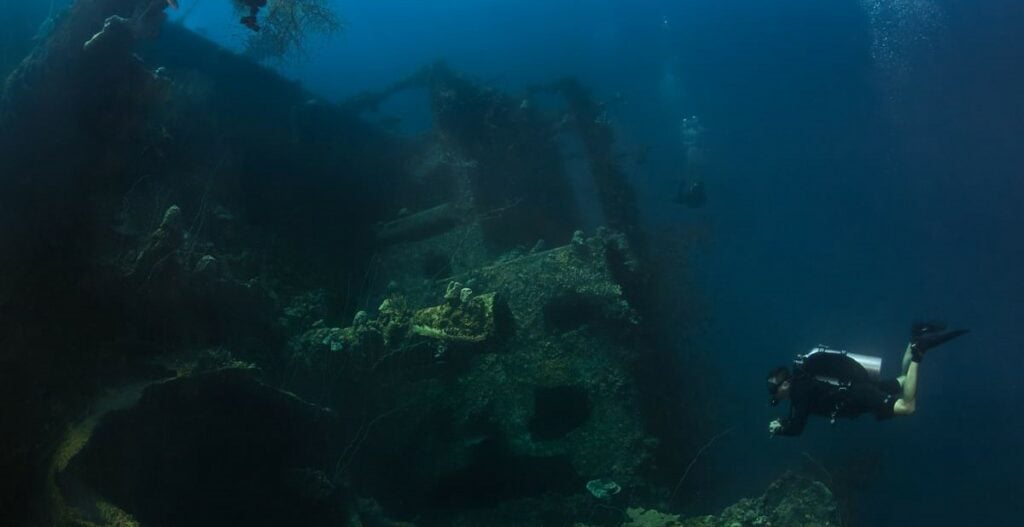
Of course, they have now become fantastic artificial reefs and most of those wrecks are covered in coral. Even if you do not enjoy wreck diving, we can guarantee you will enjoy them for the marine life you can find. Time has a way to erase the horrors of the past.
Most of Palau’s WW2 wrecks lie in depths easily reachable to everyone. And because we had to chose, here are our favourites ones.
Iro Maru
Amatsu Maru
Jake Seaplane
Helmet Wreck
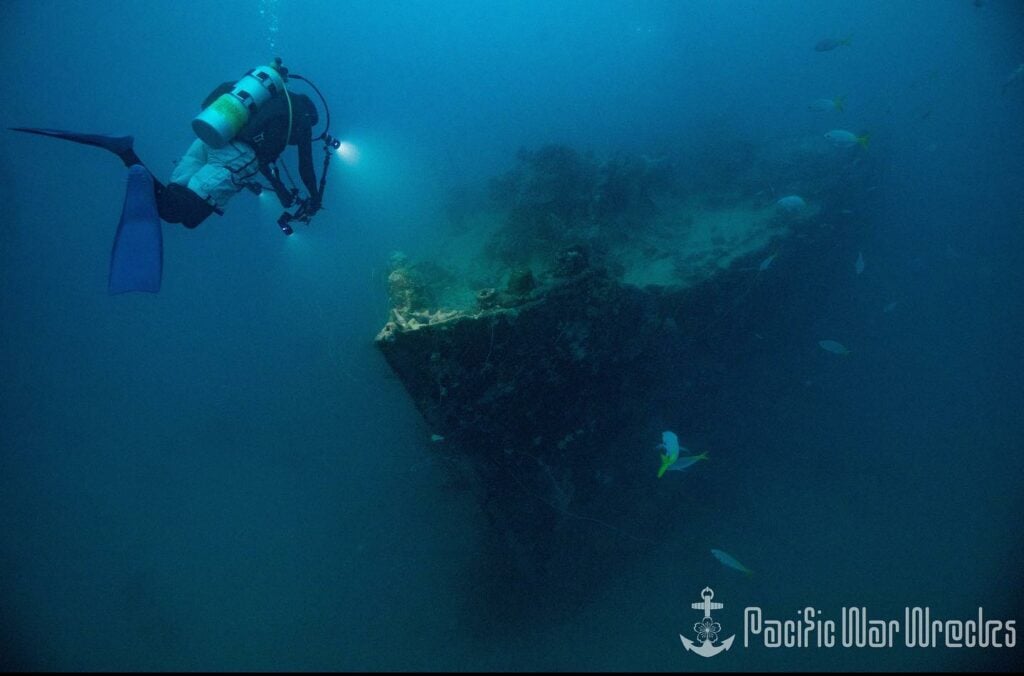
Chuyo Maru
Teshio Maru
If you would like to know more about the story behind these wrecks in Palau and get a chance to dive them, please contact us!
About the Author