
The Red Sea is famous for its stunning dive sites, rich marine life and vibrant coral reefs. Among these, Daedalus Reef stands out as one of the best dive sites. So let’s explore what makes Daedalus Reef a top destination in the Red Sea!
Origin of the Name
Daedalus Reef is known locally as Abu Kizan (أبو كيزان). It comes from the Arabic word “kizan,” which means pots or pottery. One theory is that a ship carrying pots on its deck crashed and sank on its northern side. As there are no remains of this wreck, this cannot be proven but it is the local legend.
As for its other name, you may think quickly about Daedalus from the ancient Greek myth. Daedalus was the father of Icarus and built the maze and the wings that allowed him to fly over it. However, this is unlikely the reef was named after him.
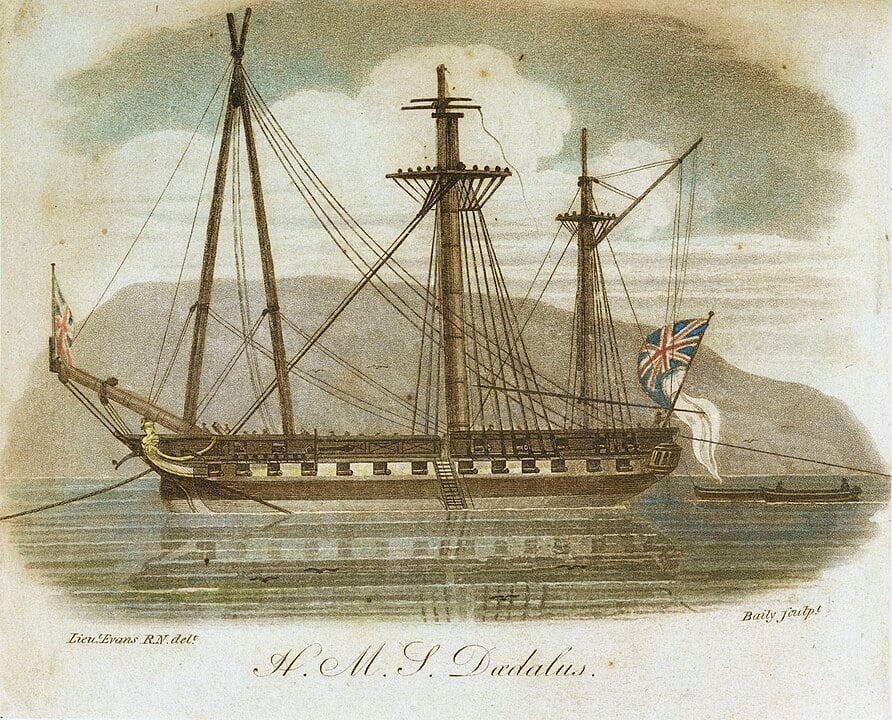
Again, we have very little indication but it is thought that this name was given by the British Admiralty who surveyed the area in 1830s for drawing up maps and charts – the same expedition which named Elphinstone Reef. We suspect the reef may have been named in honour of HMS Daedalus who tried to captured the El Quseir fortress from the French in 1799.
Either way, we do not have a 100% confirmation on its name origin – both in Arabic and English. But they both make lovely stories.
Where is This Best Dive Site?
Daedalus Reef is located in the central Egyptian Red Sea, roughly halfway between Egypt and Saudi Arabia. Specifically, it’s about 90 kilometers offshore from the Egyptian coast.
It measures 400-600 meters in length (data depending on the source) for about 100-150 meters in width. The reef rises from the surrounding depths – reaching about 500m – and stands alone in the middle of nowhere.
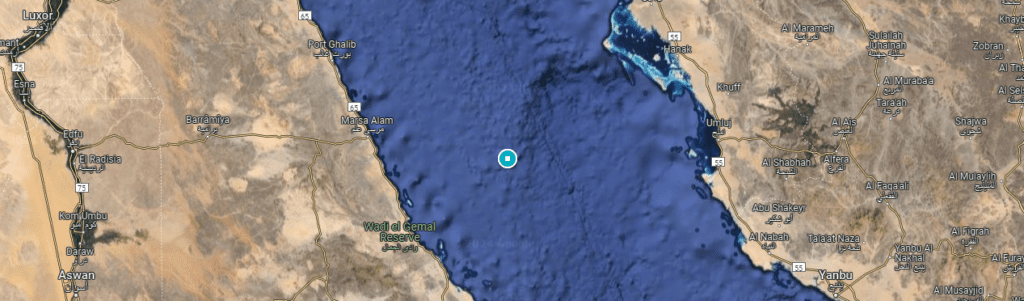
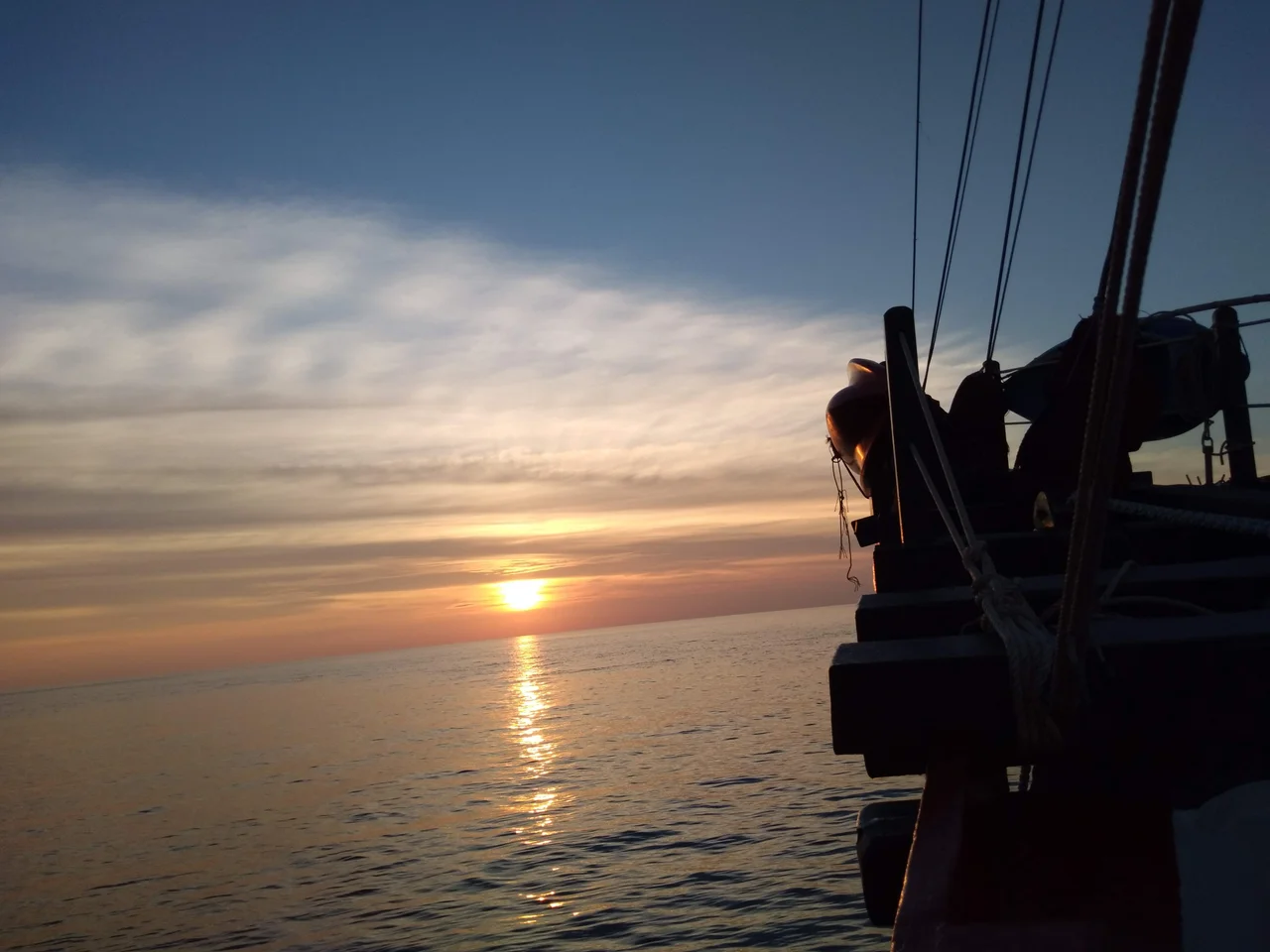
Daedalus is located within the National Marine Parks and can only be reached by liveaboard. You typically will sail overnight from Port Ghalib or Brother Islands to reach it. Its remote location makes that is protected from too many tourists, which contributes to the arrival of many sea creatures here.
Diving around Daedalus Lighthouse
The first sight you will wake up to is Daedalus iconic lighthouse.
It was built on an artificial island in 1863, rebuilt in 1931 and renovated in 1993. Obviously a lonesome reef in middle of nowhere was a major navigational hazard.
Its light can now be seen from a distance of 15 nautical miles.
The lighthouse is 30 meters tall and is unique with its black and white horizontal stripes. Next to it is a 2-story accommodation building for the Egyptian Coast Guard and Navy. These strutcures are then accessed by two long piers – with only one being used currently.
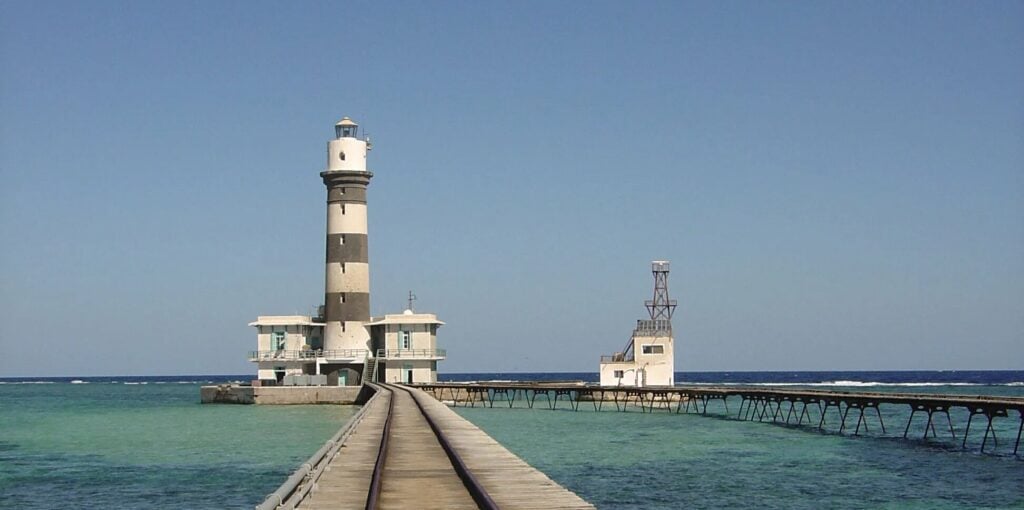
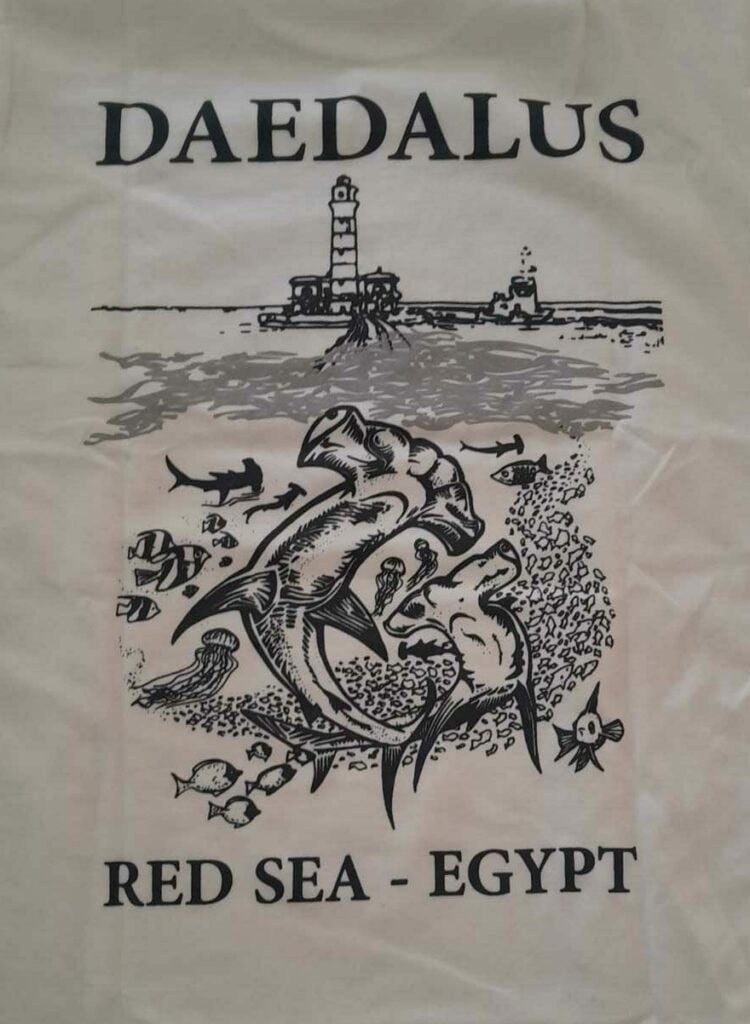
You can visit the lighthouse in between dives and will access it through the pier and a short walk. You can even buy a souvenir T-shirt from the attendants.
Topography of Daedalus Reef
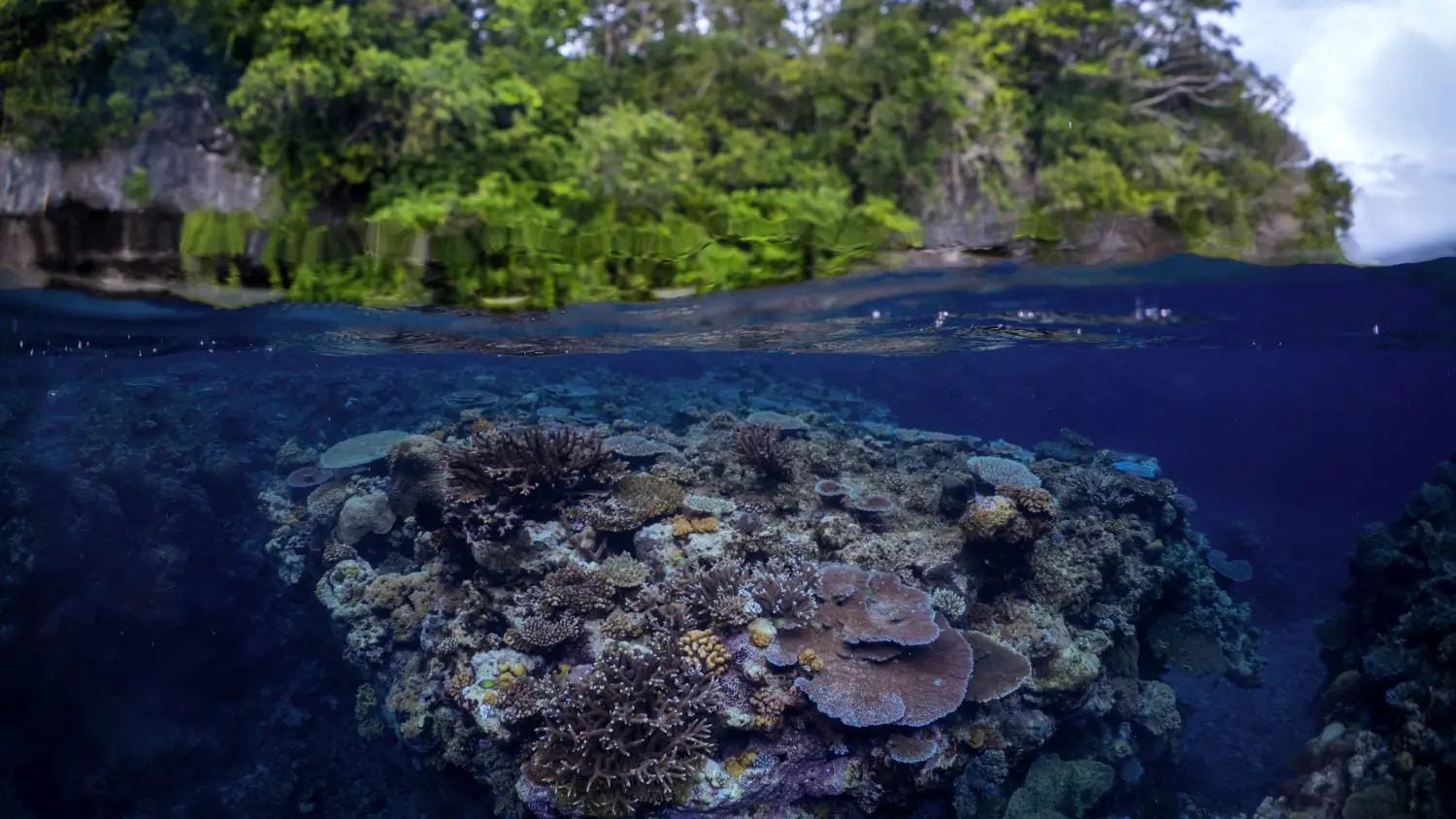
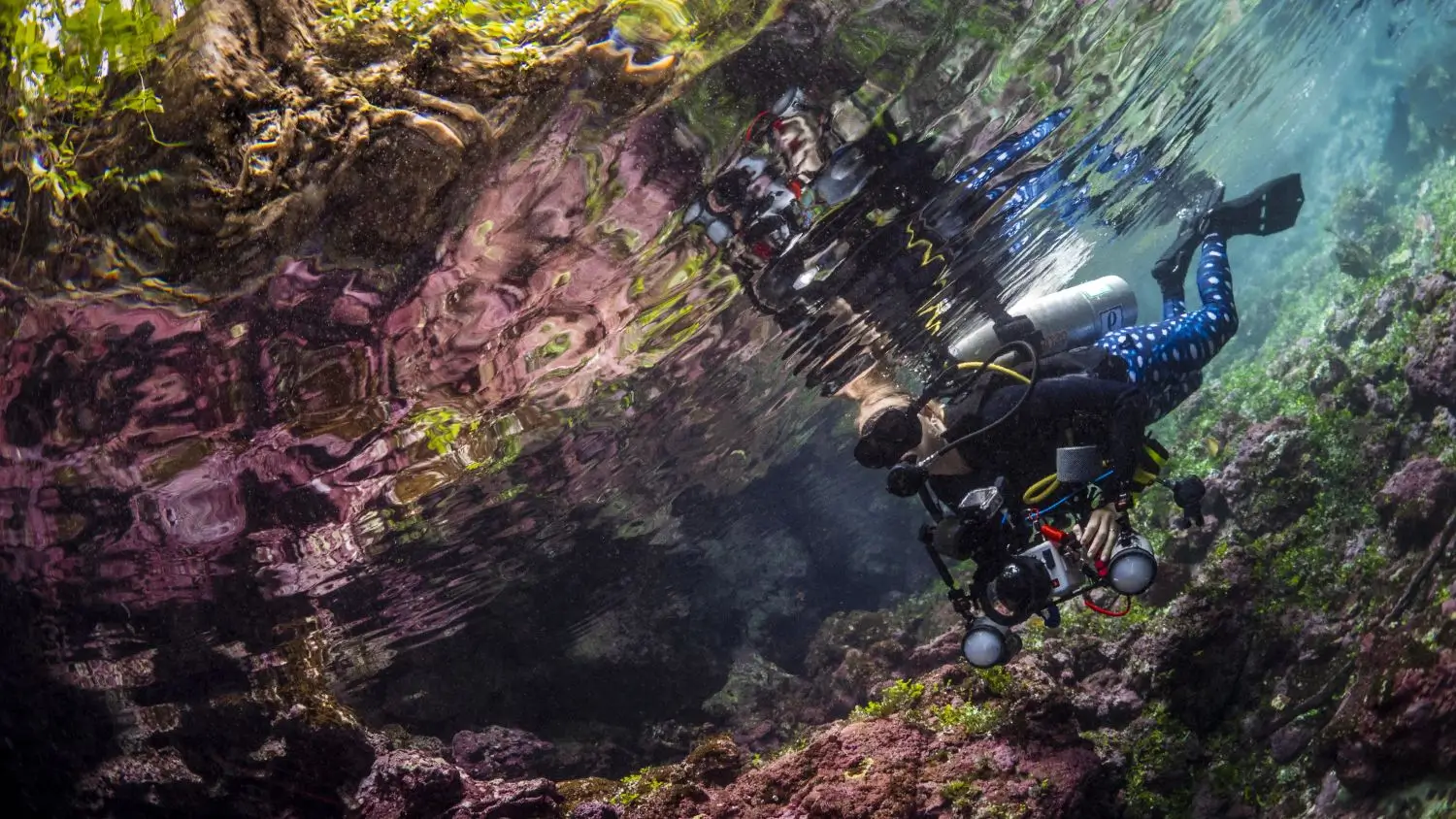
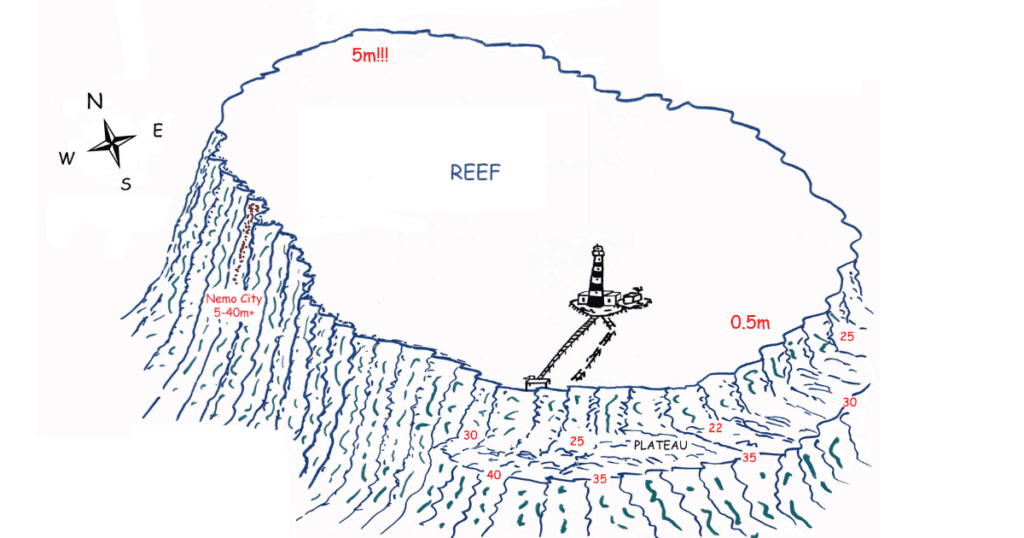
Daedalus Reef is a large oval-shaped atoll that rises from the depths of the Red Sea to just below the surface. Its topography is characterized by sheer vertical walls, steep drop-offs, and impressive coral formations. The reef is surrounded by deep blue waters. On its southern side, there is a plateau at about 20 to 40m
Diving is most often dictated by the currents and more often than not, the currents run from north to south.
It is best to dive along the eastern drop off in the morning due to the sunlight. From mid-morning, it is better to dive the western drop off or the southern plateau.
Diving at night is forbidden, due to the rules of the marine park. We will therefore normally offer 3 day dives when staying at Daedalus Reef on our Red Sea itineraries.
Highlights and Allure
What sets Daedalus Reef apart from other dive sites in the Red Sea is its unique combination of thrilling topography, stunning marine life, and a sense of remoteness.
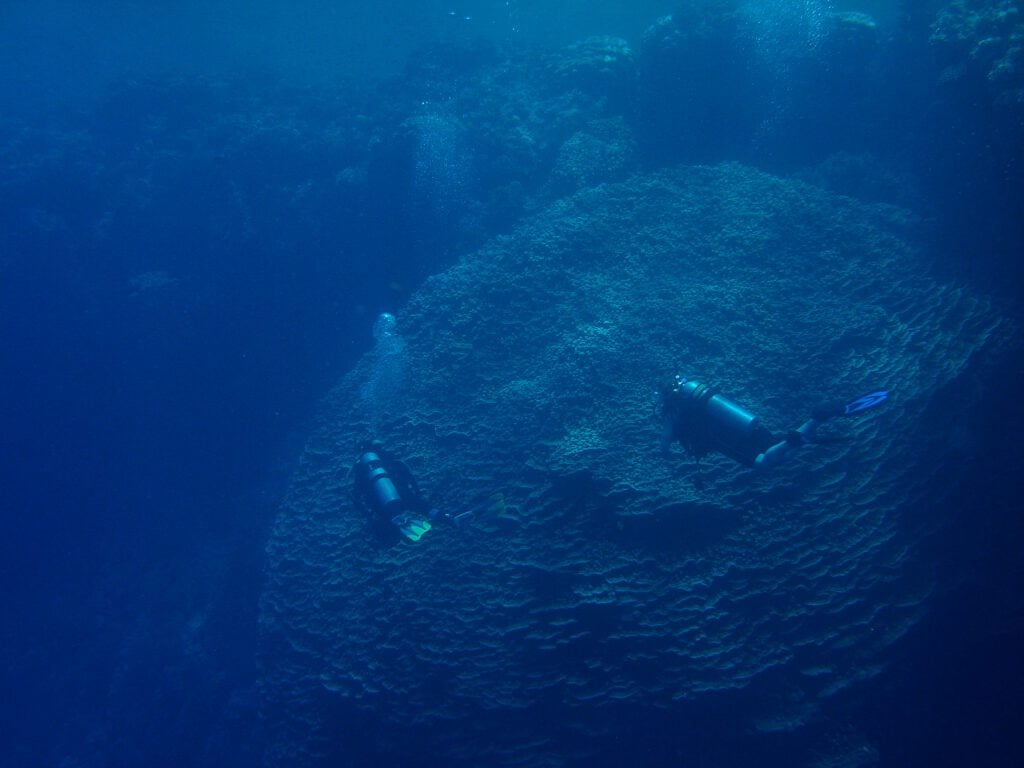
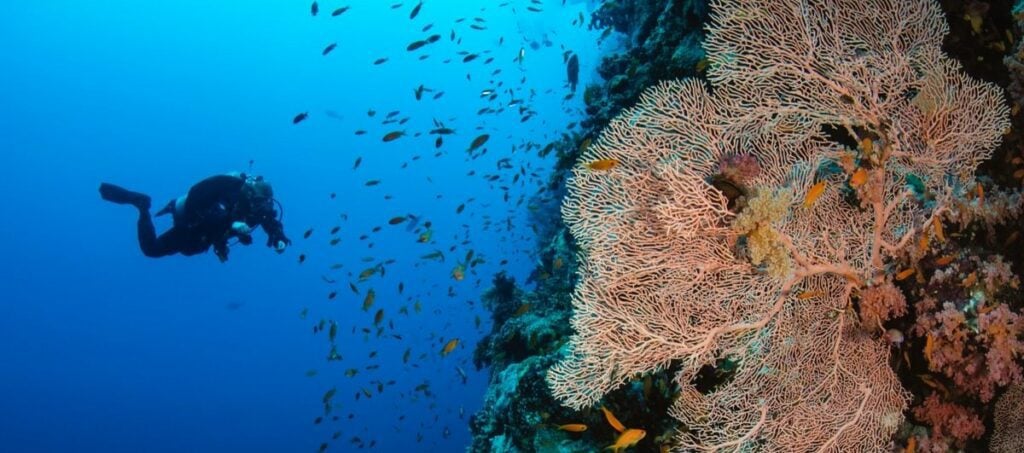
The reef’s walls are adorned with colorful corals, including soft corals and large formation of hard corals. These provide a stunning backdrop for the vibrant fish species that populate the area. The size of some of the corals are just simply beyond this world!
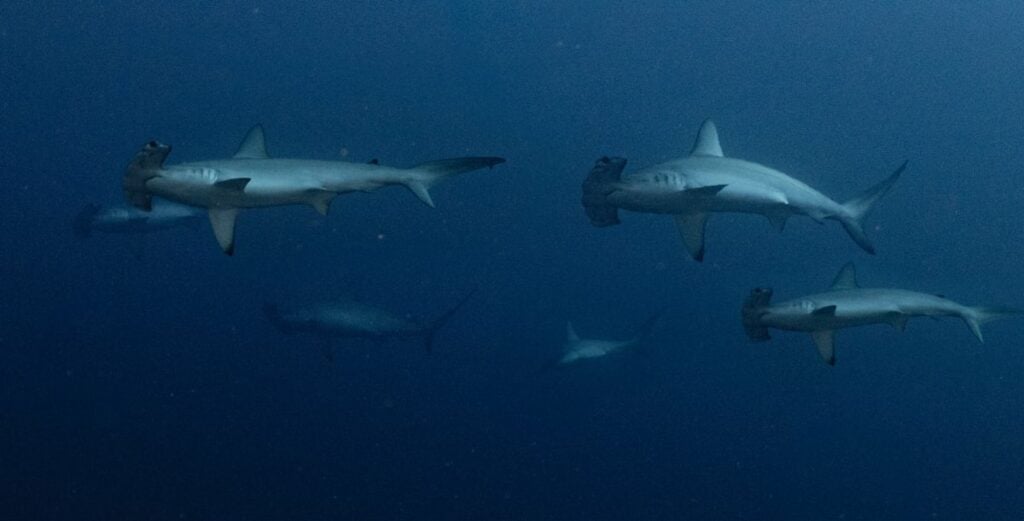
But the real highlight of Daedalus Reef is that it is one of the best, if not the best dive site, to see hammerhead sharks schooling in the Red Sea. They are a common sight especially on the northern side of the reefs.
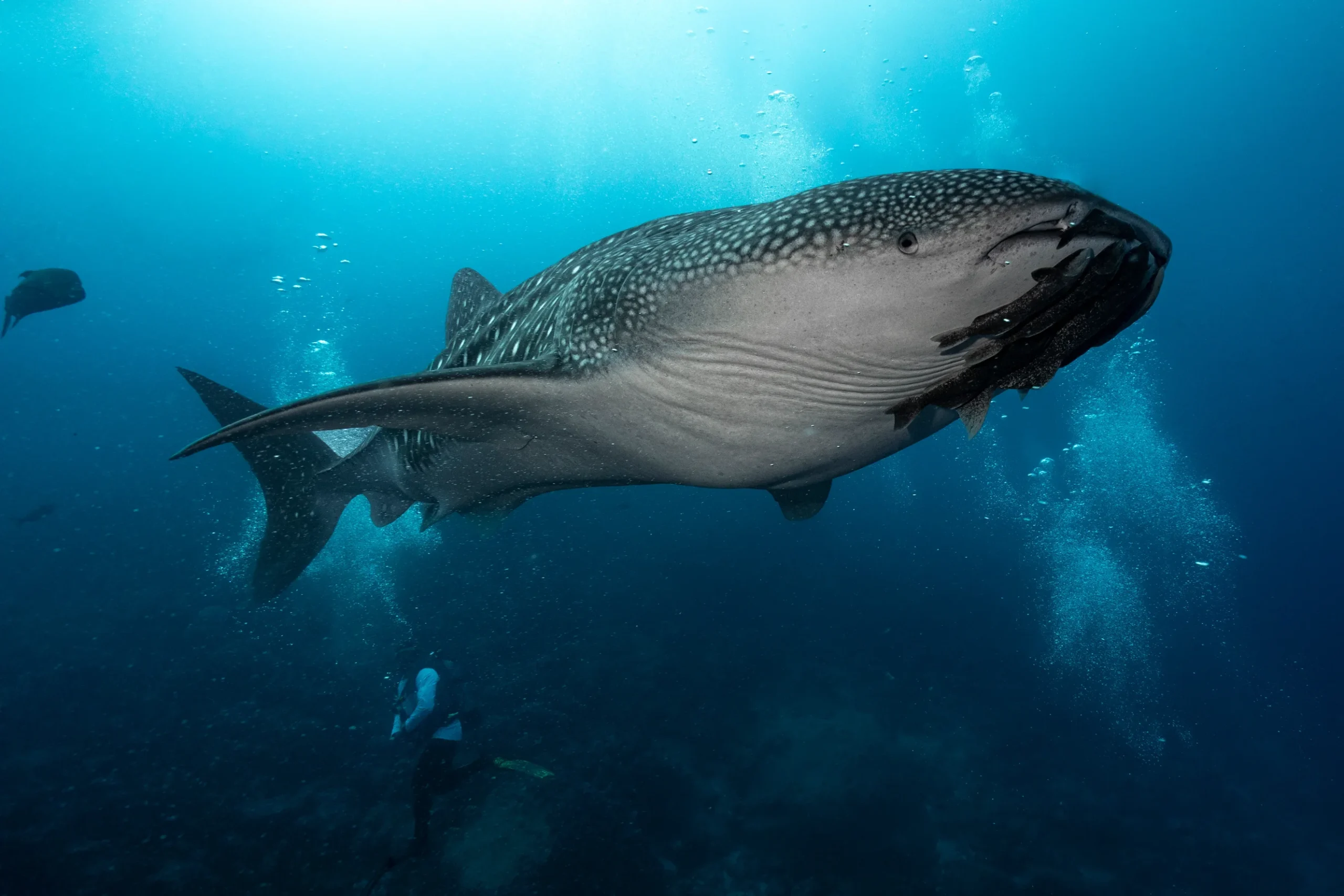
It is also famous for its other large pelagic species. Divers often have the chance to also see thresher sharks, and oceanic whitetip sharks for example. The abundance of corals attracts fish, crustaceans and turtles, which then attract larger fish. Its location on the open sea makes that the currents here “bring in” a lot of plankton, which is food for many of the creatures here.
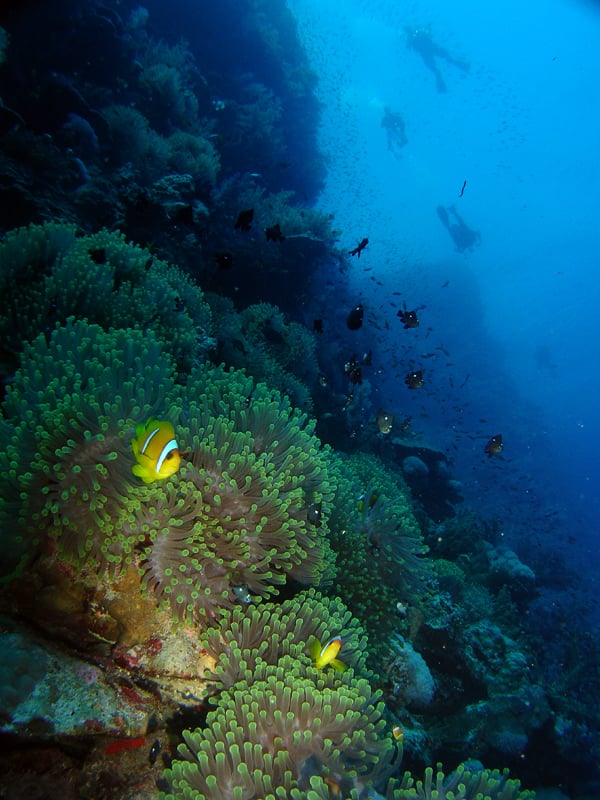
While diving at Daedalus, you have to visit on the western side “Nemo City”.
There is a stretch, about 50m long, covered with anemones and clown fishes. This capret of anemones runs from about 5m all the way down to 40m.
Lastly, there is a wreck: the Zealot lies at about 75 to 120 meters. The ship sank due to an error of navigation on 26th September 1876. You can still see some of the remains of the wreckage on the nothern side drop off shallow and now encrusted with corals. The wreck can, of course, only be dived by techincal divers due to the depths.
Sightings
The most common sightings at Daedalus Reef include:
- Hammerhead sharks: Often seen in schools near the northern tip of the reef.
- Thresher sharks: Known for their long tails, these sharks are a unique sight.
- Oceanic whitetip sharks: A frequent visitor to Daedalus and they often hang around the mooring areas.
- Sea turtles: Green and hawksbill turtles are often spotted.
- Coral fishes: The reef boasts a great variety of coral fishes.
Diving Practicalities
Diving at Daedalus Reef requires careful planning and preparation. Here are some key practicalities to consider:
- Liveaboard trips: Due to its remote location, the best way to dive at Daedalus Reef is through a liveaboard boat trip, typically ranging from 7 to 10 days.
- Diving experience: due to strong currents and deep waters, we recommend a minimum of 30 logged dives and AOWD or equivalent.
- Weather conditions: The Red Sea can be subject to sudden weather changes, so flexibility in scheduling dives is essential. Although you can dive in Daedalus year-round, the sea is noticeably cooler and rougher from January to March.
- Best time to visit: Most liveaboard cruises visit Daedalus Reef from mid-March to mid-December as it is the best time to visit due to weather conditions and sightings chances. However do bear in mind that in peak season (September and October), there might be up to 20 other vessels.
- Safety: Always dive with experienced guides who are familiar with the area and adhere to safety protocols.
- Itineraries: Several of our itineraries visit Daedalus Reef. Select Daedalus & St Johns, Best of the Red Sea, Brothers, Daedalus & Elphinstone or Ultimate Red Sea to visit this amazing dive site.
Conclusion
Daedalus Reef is a remarkable dive site that offers a unique blend of vibrant marine life and incredible memories. Its remote location adds to the allure, making it a must-visit destination for experienced divers seeking an unforgettable Red Sea diving experience. The schooling hammerheads are the highlight of this reef, but there is plenty more to see there. Daedalus Reef should be at the top of your list. Dive in and discover the wonders of this incredible site!
About the Author