
Rediscovering the Andaman
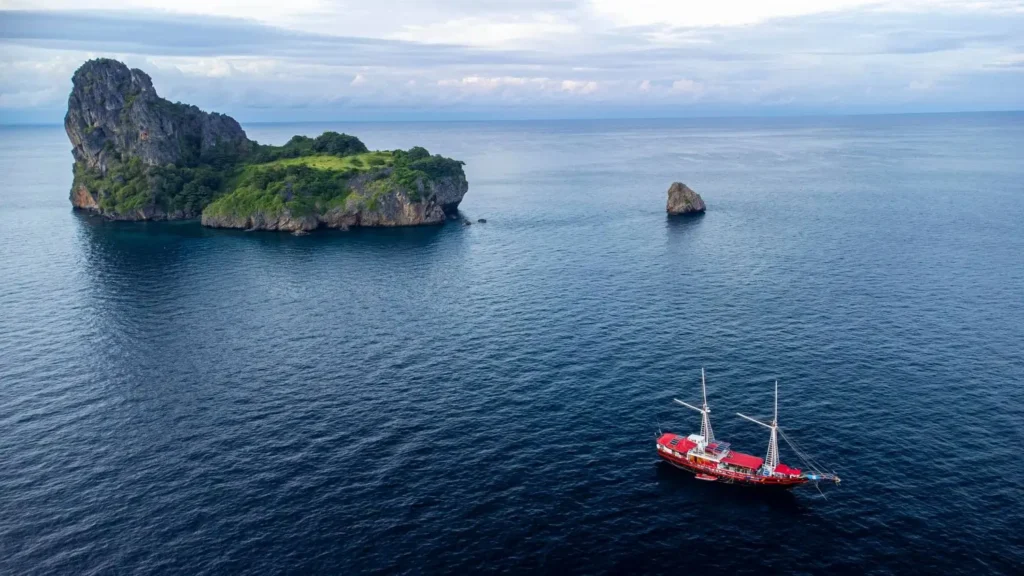
The first thing you notice is the light. It isn’t just bright; it’s textured. As the sun rises over the limestone karsts and granite boulders of the Andaman Sea, it paints the water in shifting shades of turquoise and jade. You’re standing on the deck of Thailand Master, a coffee in hand, the smell of salt and fresh coffee mixing in the warm air. The boat, a traditional Phinisi-style yacht, hums gently at anchor, a sound that signals the beginning of your diving day.
For many, diving in Thailand was the beginning. It was the classroom, the place of the first breath underwater, the first wobbling buoyancy check. But to think of Thailand only as a beginner’s playground is to miss one of the most sophisticated, vibrant, and underrated diving experiences in Southeast Asia.
This is a region that deserves a second look. It is a destination where comfort meets adventure, where the chaos of the modern world dissolves into the rhythmic creak of timber and the silence of the deep. It is time to rediscover Thai diving on an Andaman Sea liveaboard.
A Short Summary
- Rediscover a Classic: A comfort-meets-adventure escape in the heart of the Andaman Sea.
- Iconic Sites: Dive the granite cathedrals of the Similan Islands and the purple-clad pinnacle of Richelieu Rock or the majestic beauty of Hin Daeng, Hin Muang and Koh Haa in the south.
- Marine Giants & Tiny Treasures: From whale sharks and manta rays to harlequin shrimp and ghost pipefish.
- Hospitality: Experience the legendary warmth of Thai crews and the relaxed sophistication of Thailand Master.
- Accessible Adventure: World-class diving that is easier to reach and more affordable than remote competitors.
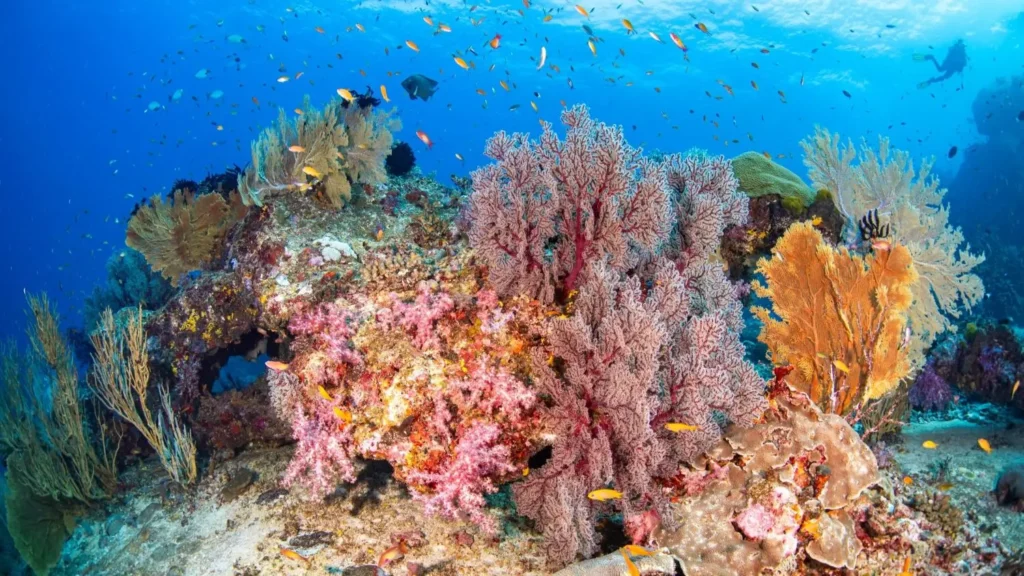
Why the Andaman Sea Is Still One of Asia’s Best Dive Regions
In the rush to explore the remote corners of Raja Ampat or the distant atolls of the Pacific, it is easy to overlook the powerhouse in plain sight. Thailand’s Andaman Sea offers a rare blend of high-octane biodiversity and seamless logistics that few other destinations can match.
This is not just about convenience; it is about quality. The Andaman Sea sits at a biological crossroads, fed by nutrient-rich currents that support an explosion of life. Here, you don’t have to choose between big animals and macro life; you can have both. You can spend the morning drifting alongside a manta ray and the afternoon hunting for the elusive ornate ghost pipefish in a sea fan.
What truly sets this region apart, however, is the infrastructure. There are no gruelling three-day crossings to reach the dive sites. The journey from Phuket or Khao Lak is relatively short, smooth, and the hospitality is polished by decades of welcoming travellers. It is a destination that lets you focus entirely on the diving, supported by a culture that treats hospitality as an art form.
The Similan Islands: Granite Giants and Endless Blue
The Similan Islands are the geological spine of the Andaman diving scene. Unlike the limestone topography common in the rest of the region, the Similans are defined by massive granite boulders; ancient, smooth, and piled randomly together by time to create a spectacular underwater playground. Enormous swim-throughs and dramatic canyons create natural frames for the deep blue water beyond. Sites like Elephant Head Rock and Christmas Point offer a topography that feels almost architectural, with arches and alleys that dwarf the divers swimming through them.
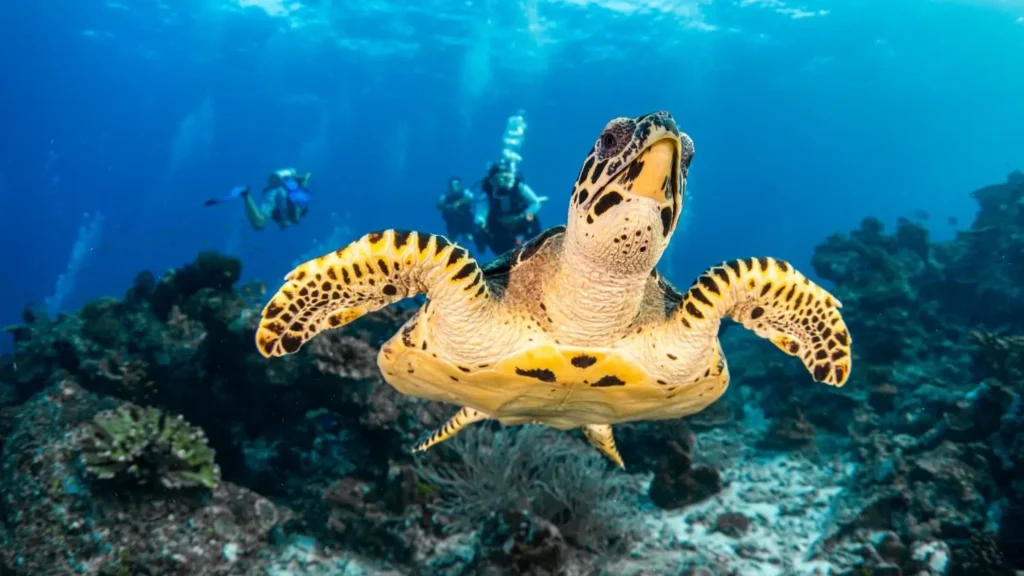
The water here is famously clear, with visibility often exceeding 30 metres, turning every dive into a sensory overload of colour and light. Between the boulders, vast sea fans stretch out to catch the current, while schools of bluefin trevally and neon fusiliers sweep over the reef like liquid. Look closer at the sandy channels, and you’ll find Garden Eels swaying in the current and turtles resting in sheltered nooks, unbothered by your presence.
Richelieu Rock: Thailand’s Crown Jewel
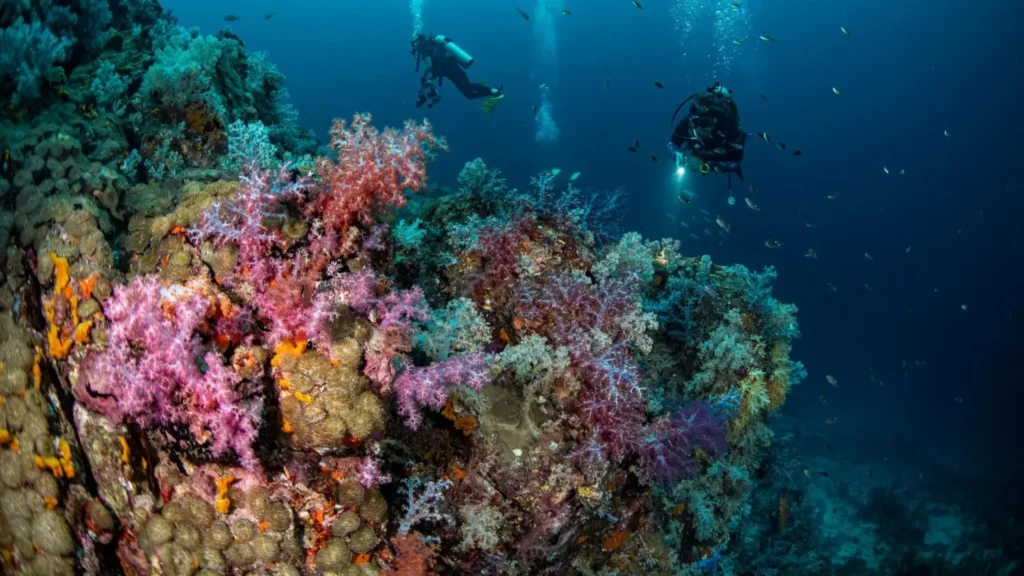
If the Similans are the backbone of the Andaman, Richelieu Rock is its beating heart. Rising from the depths as an outpost of the Surin National Park, this isolated horseshoe-shaped pinnacle is widely regarded as one of the best dive sites in Asia… and for good reason.
As the limestone structure comes into view on your first dive, the first thing you notice is the colour. The rock is almost entirely covered in soft corals; Dendronephthya (more commonly Hemprich’s soft coral) in vibrant shades of purple, violet, and crimson. It is a visual explosion that rivals any reef in the Coral Triangle.
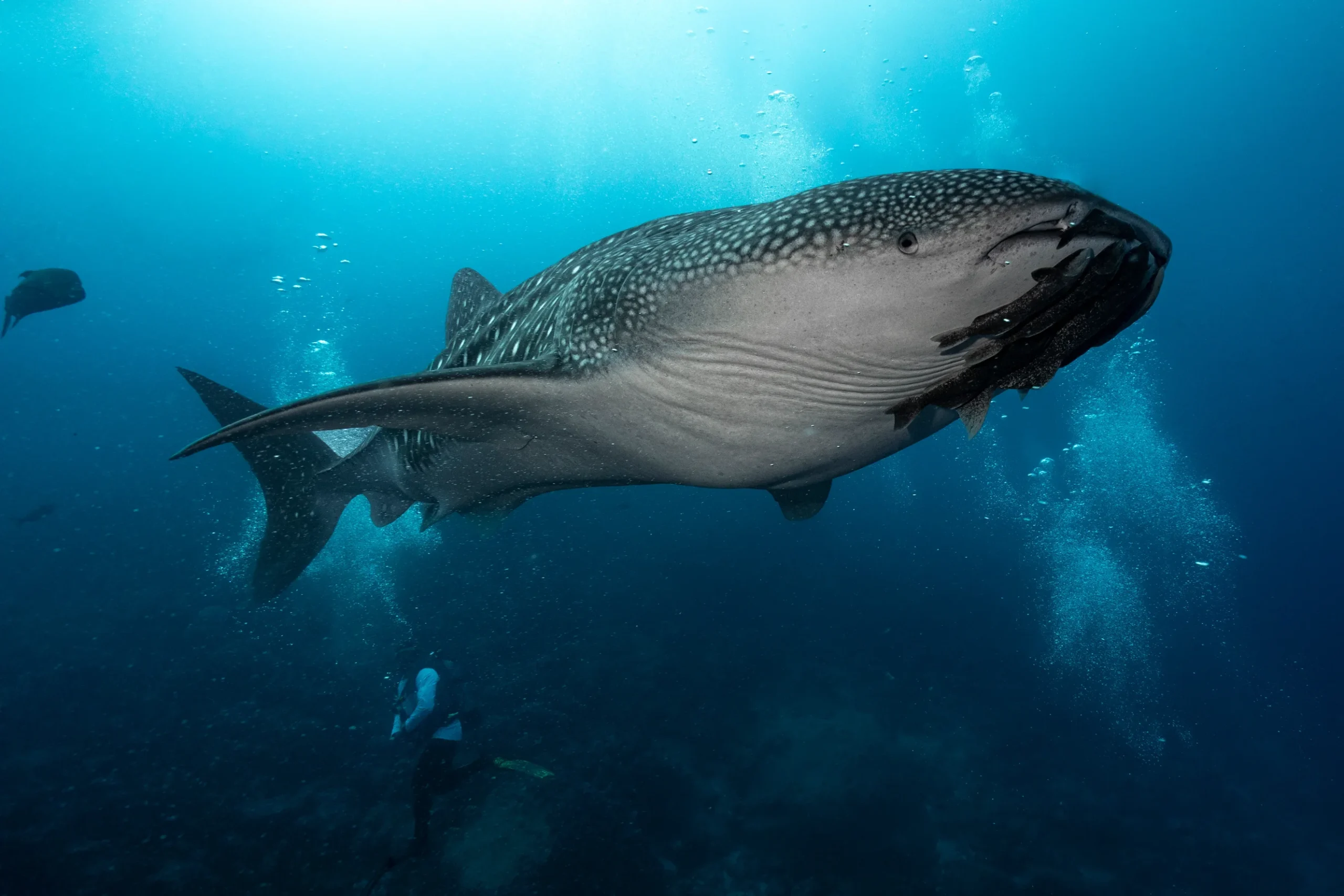
But Richelieu is famous for something bigger. Between January and April, the nutrient-rich water attracts whale sharks, often leading to encounters that last an entire dive. Watching a spotted giant cruise effortlessly around the purple reef is a bucket-list moment that defines the Andaman experience.
Even without the megafauna, the biodiversity here is staggering. Every crevice hides a secret: mating pharaoh cuttlefish putting on hypnotic light shows, harlequin shrimp dismembering starfish, and tigertail seahorses doing their best to hide from divers. It is a site you can dive a dozen times and never see the same thing twice.
The Southern Jewels: Hin Daeng, Hin Muang & Koh Haa
While the north offers granite giants, the south reveals the Andaman’s deeper, wilder soul.
Hin Daeng (Red Rock) and Hin Muang (Purple Rock) are dramatic open-ocean pinnacles that drop vertically to over 60 metres, offering Thailand’s deepest wall dives. Enveloped in lush red and purple soft corals, these sites are open-ocean magnets for manta rays and whale sharks patrolling the currents.
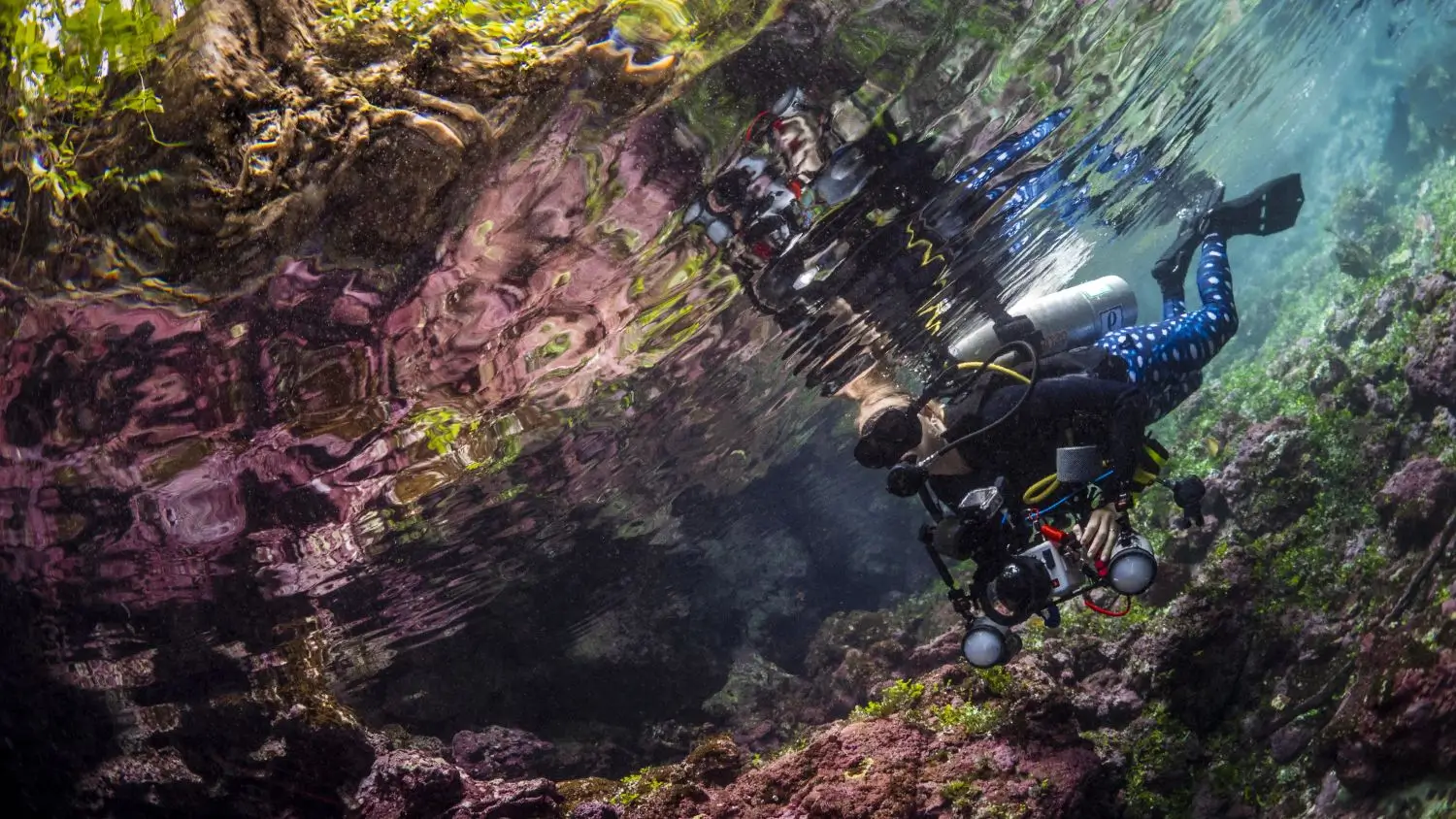
In contrast, Koh Haa feels like a secret sanctuary. Its central lagoon hides “The Cathedral,” where you can surface inside a massive limestone cavern to watch shafts of sunlight pierce the turquoise water; a magical, almost spiritual pause in your adventure.
Comfort Meets Adventure Onboard Thailand Master
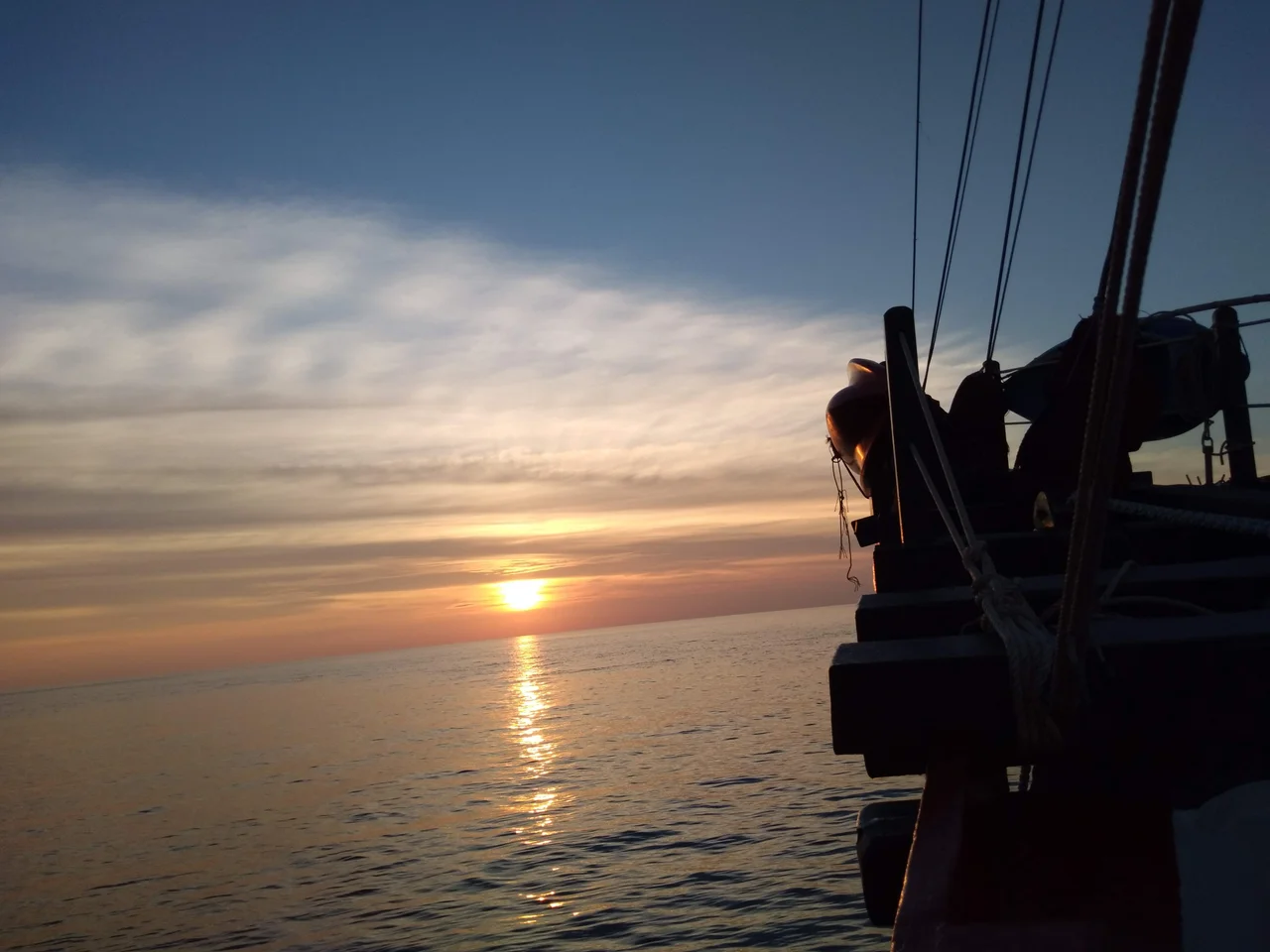
There is a distinct feeling when you step aboard Thailand Master. With her traditional Phinisi styling, she evokes the golden age of exploration, with high masts, polished wood, and lines that look beautiful against a tropical sunset. But this is not just a boat; it’s a floating sanctuary.
Thailand Master (often affectionately known as The Phinisi alongside her sister vessel, The Junk) offers a liveaboard experience that is distinctly Thai: warm, attentive, and deeply relaxing. The local crew are the soul of the vessel. They don’t just help you with your tank; they anticipate your needs before you do, greeting you with a dry towel, a hot drink, and a warm smile after every dive.
Life between dives falls into a blissful rhythm only known to liveaboard divers. The dive deck is spacious and efficiently organised, with dedicated camera stations for photographers. Meals are a highlight, with lavish spreads of varieties of Thai curries, fresh tropical fruits, and spicy salads served in the open-air dining area. As with most liveaboards, there is a communal spirit, a shared camaraderie built over logbooks and sunsets, where the comfort lies not in the sleep-inducing bean bags, but in the feeling of being completely taken care of.
Marine Encounters: Big Moments and Hidden Gems
The Andaman Sea is a place of duality, satisfying both the adrenaline junkie and the patient observer.
- The Pelagics: Beyond the whale sharks of Richelieu, the currents around Koh Bon, Koh Tachai, and to the south, Hin Daeng and Hin Muang, are famous for manta rays. These graceful giants frequent the cleaning stations, hovering motionless as they allow cleaner wrasse to do their work. Leopard Sharks are another staple, often found resting on the sandy bottoms of the Similans.
- The Macro World: For those with a keen eye (or a good guide… or both), the macro life is world-class. Ghost pipefish mimic their surroundings, nudibranchs in neon colours crawl across the sponges, and porcelain crabs filter feed in their host anemones.
- The Schools: The water column is rarely empty. Huge schools of chevron barracuda and bigeye trevally create swirling vortexes of silver, a mesmerising subject for videographers.
A Typical Day in the Andaman Sea
On a liveaboard, time is measured in dives. A typical day on Thailand Master is designed to maximise your time underwater while ensuring you are rested and fed.
- 06:30 – Light Breakfast & Briefing: Wake up to the smell of coffee and a sunrise over the ocean. The first briefing outlines the site’s topography and current.
- 07:30 – Dive 1: The morning light is perfect for seeing the reef wake up. Predators are often active, hunting in the early currents.
- 09:00 – Full Breakfast: A hearty meal to refuel.
- 11:00 – Dive 2: Explore another site, perhaps a drift dive along a granite wall or a hunt for macro critters.
- 13:00 – Lunch: A buffet of Thai and international dishes.
- 15:00 – Dive 3: The afternoon dive is often more relaxed, focusing on photography and slow exploration.
- 17:00 – Sunset & Snacks: Watch the sun dip below the horizon as the boat moves to a calm anchorage.
- 19:00 – Night Dive (optional): See the reef transform. Crabs, lobsters, and moray eels come out to hunt.
- 20:30 – Dinner: The final meal of the day, followed by stargazing on the sundeck.
Dive Conditions and Practical Advice
- Best Season: The official marine park seasons run from November to May. The best time for whale sharks and manta rays is typically February to April. The National Parks are closed from mid-May to October for conservation.
- Water Temperature: consistently warm, ranging from 27°C to 30°C (81°F–86°F). A 3mm shorty or full suit is fine for most.
- Visibility: Excellent, typically ranging from 15m to 30m+, especially in the Similan Islands.
- Currents: Can vary from gentle to moderate. Some sites, like Richelieu Rock, can have stronger currents, which bring the big fish.
- Diver Level: The Andaman is accessible to all levels, but an Advanced Open Water certification is recommended to enjoy the deeper pinnacles and maximise your bottom time.
- Gear: Nitrox is highly recommended for the repetitive dive schedule.
Frequently Asked Questions
When is the best time to dive the Andaman Sea? The best conditions are between November and April. For the highest chance of seeing whale sharks and manta rays, aim for January through April.
Do I need to be an advanced diver? While Open Water divers can enjoy many sites, we recommend an Advanced certification (or taking the course onboard) to get maximum enjoyment from deep pinnacles like Richelieu Rock.
What marine life is common in the Similan Islands? You can expect to see turtles, leopard sharks, blue-spotted stingrays, emperor angelfish, and massive schools of snapper and fusiliers.
What makes Thailand Master unique? She combines the charm of a traditional Phinisi sailing vessel with modern safety and comfort. It’s a boutique experience with a focus on high-quality service and spacious living areas.
Are these trips suitable for groups or mixed-experience divers? Absolutely. The diversity of the sites allows our dive guides to tailor the experience, ensuring both beginners and veterans have memorable dives.
Ready to Rediscover Thailand?
Thailand’s Andaman Sea is a place where adventure meets comfort, where world-class sites meet the warmth of Thai hospitality. It is a destination that feels familiar yet constantly surprises, offering a richness of life that rivals the most famous dive spots on earth.
If you are ready to rediscover a region that continues to captivate even the most seasoned divers, the Thailand Master is waiting to welcome you aboard.
About the Author