
Legendary Red Sea diving: wrecks, reefs and more
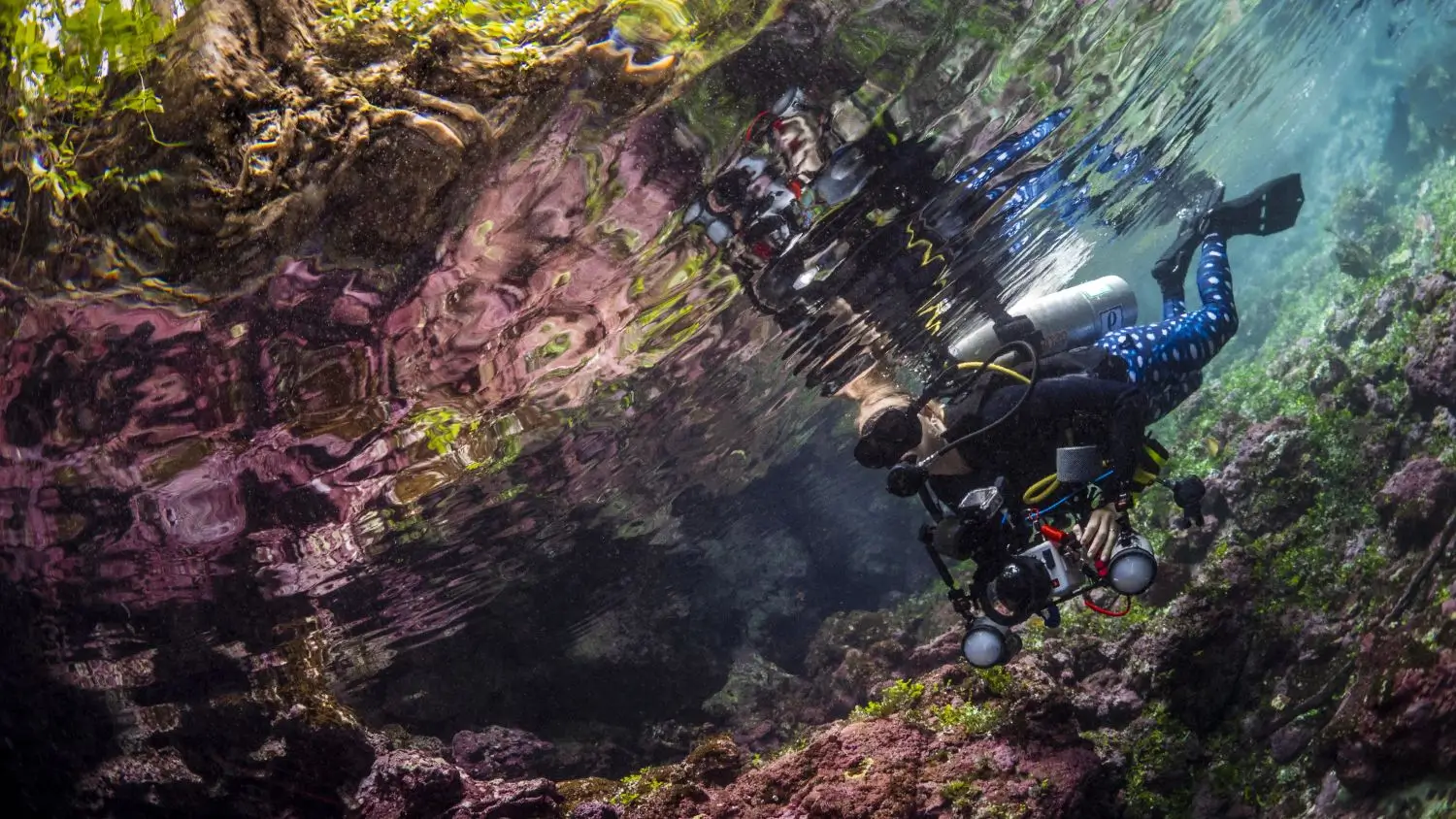
There is a distinct moment, just as you deflate your BCD and slip beneath the surface. There is a feeling of anticipation. In diving the Red Sea, that feeling is amplified because you simply never know what is waiting for you underneath: reefs, wrecks or something bigger? On land, life is noisy and scheduled, but here, the rhythm is simple: eat, sleep, dive. You settle into a peaceful, professional routine where the only thing that matters is the next immersion.
This headspace allows you to truly appreciate the Red Sea’s wild variation. One morning, you might be finning through the silent, industrial corridors of a sunken freighter, and by the afternoon, you are hovering over a vertical wall, scanning the open ocean for shadows. It is this constant shift—from steel to coral, from the deep blue to shallow lagoons—that ensures you never get bored. When you commit to the liveaboard life, you remove the distractions. You give yourself the time and the peace to focus on the water, knowing that at any moment, you could be rolling the dice on the dive of your life.
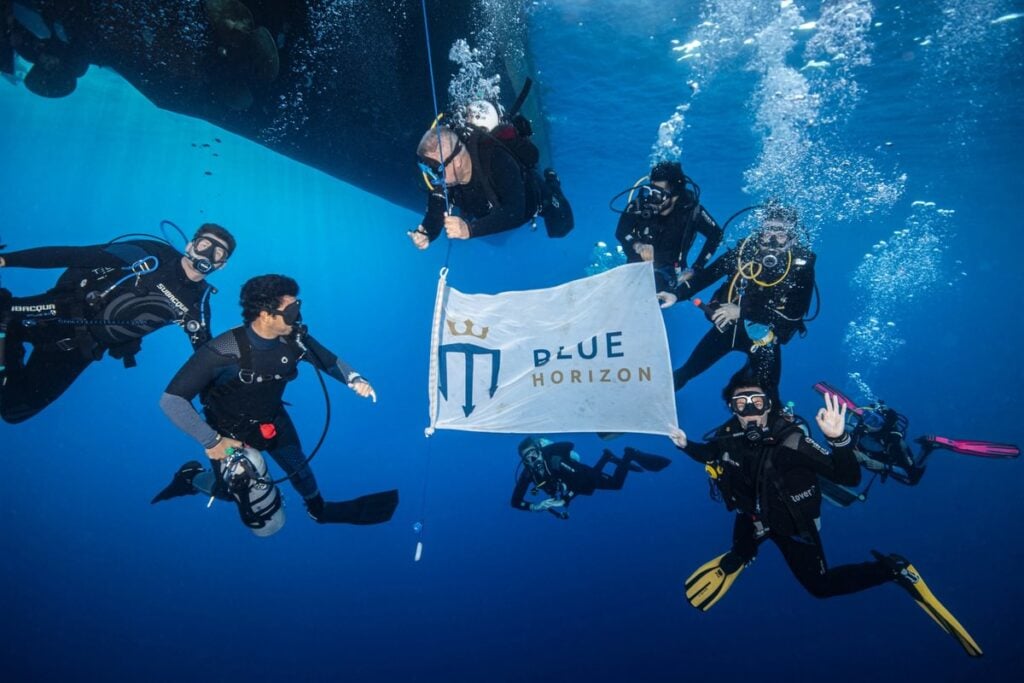
Your Dive Launchpad
Why is the Red Sea the perfect scuba diving getaway?
- Ideal for mixed-experience groups, from shallow reef drifts to bottomless drop-offs
- Access iconic wrecks, including SS Thistlegorm and Carnatic
- Colourful and healthy coral reefs with exceptional visibility
- Regular shark encounters on offshore itineraries like Brothers, Daedalus and Elphinstone
- Warm water year-round, typically 22–29ºC – 71–84°F.
- Flexible Red Sea itineraries aboard Blue Melody and Blue Horizon
Jump to:
- Welcome Onboard
- Legendary Wrecks
- Reefs Bursting with Life
- Sharks & Big Fish
- A Typical Dive Day
- Dive Conditions
- Evenings Onboard
- Why Choose Our Liveaboards
- FAQs
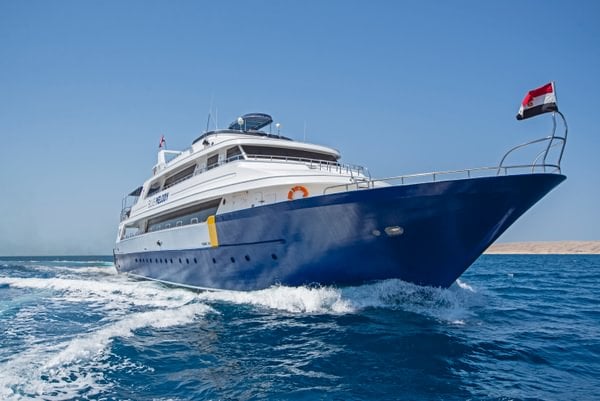
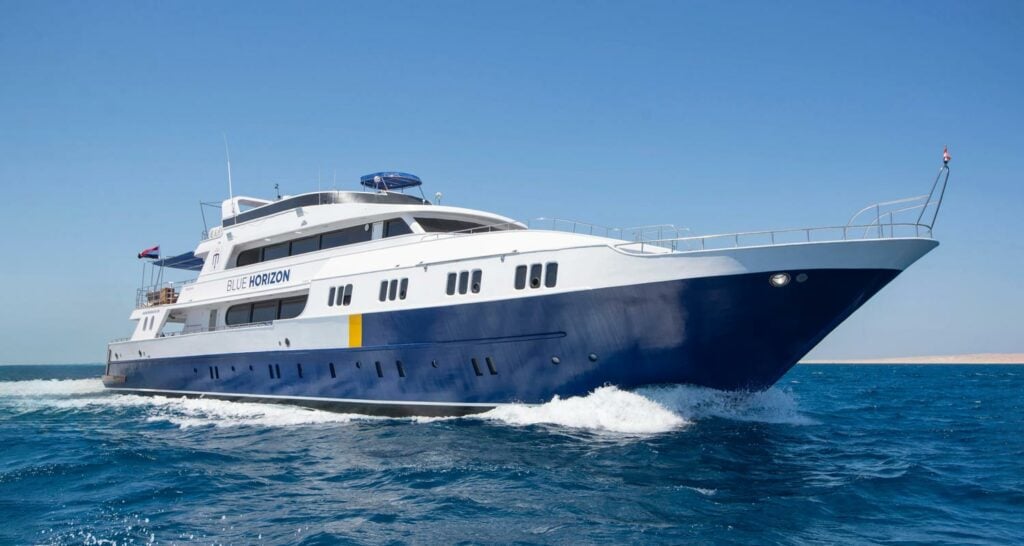
Welcome aboard Blue Horizon & Blue Melody
Your first moments onboard set the tone. A smiling crew greets you on the back platform with a refreshing drink, while your luggage is lifted effortlessly. Cabins are cool and inviting, a quiet sanctuary after your journey. There’s a subtle scent in the air that tells you: you’ve arrived in Egypt. The noises are different here: gentle waves against the hull, distant calls of seabirds, the faint hum of engines. A helping hand is never far away. You take a deep breath, unpack, and begin to settle in as safety briefings ease you gently into the rhythms of the Red Sea.
Both Blue Horizon and Blue Melody are purpose-built for divers. Spacious dive decks make gearing up effortless, while shaded lounges, sun-drenched upper decks, and a sky-lounge on Blue Horizon offer plenty of space to relax between dives. Cabins are ensuite, air-conditioned, and thoughtfully laid out for comfort after a long day underwater. Communal areas encourage conversation, laughter, and shared anticipation, making it easy to settle in and feel at home on the Red Sea.
Meet the fleet:
- Blue Horizon: https://masterliveaboards.com/boats/blue-horizon/
- Blue Melody: https://masterliveaboards.com/boats/blue-melody/
Within hours, you’re relaxed, oriented, and ready. The Master Liveaboards crew moves like a quiet ballet in the background, handling every detail so you can focus on what matters: diving, resting, and watching the horizon glide by. Their local knowledge and thoughtful care quickly become apparent, making you feel completely at ease.
You’re no longer just on a boat. You’re home on the Red Sea.
The Red Sea’s Legendary Wrecks
The Red Sea is a liveaboard diver’s playground, and its wrecks are among the most famous in the world.
Conditions, wreck layout, wreck condition, historical relevance, and overhead environments all demand respect. That’s why every dive is approached methodically: careful briefings, clear guidelines, and experienced guides ensure that every descent remains thrilling but controlled. Recreational divers enjoy wide swim-throughs and exterior exploration, while trained wreck divers can navigate deeper structures. Safety is never negotiable and it’s this attention to detail that allows you to fully immerse yourself in these historic sites.
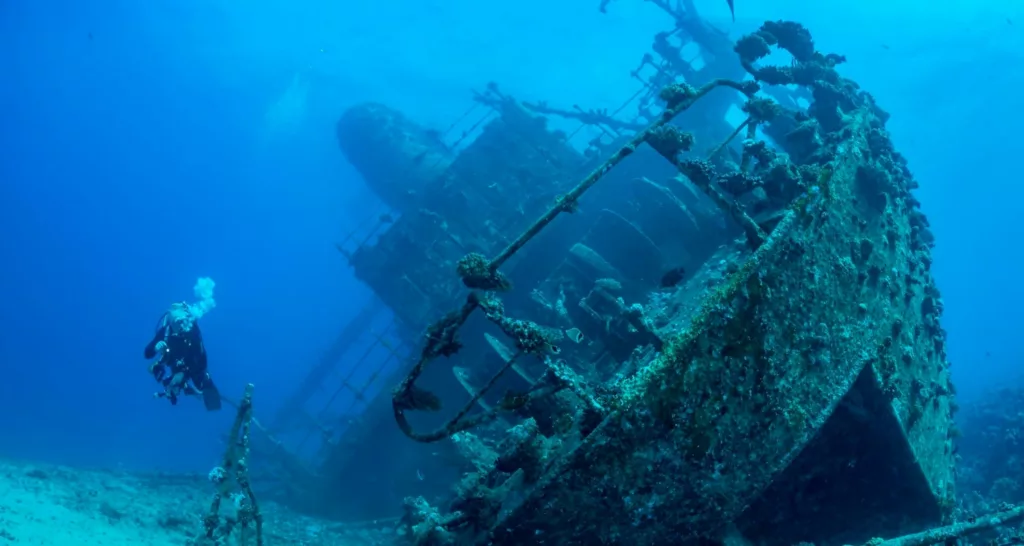
SS Thistlegorm: The Crown Jewel
Resting on the western side of the Sinai Peninsula, the SS Thistlegorm is more than a wreck — it’s a submerged time capsule, an underwater museum frozen in motion. Motorbikes still sit stacked in rows. Military trucks line the holds. Locomotives and wagons lie scattered across the main deck and seabed. Swimming through her corridors feels like drifting through a forgotten chapter of World War II.
Despite her fame, Thistlegorm suits multiple experience levels. You can explore the dramatic exterior and upper decks as a recreational diver, or, with appropriate training, descend into the cargo holds and companionways under professional guidance for a more intimate look at history.
Rosalie Moller & Deeper Legends
For those drawn to something darker and deeper, the Rosalie Moller delivers. Lying further below than her famous “sister” wreck, she remains more intact, more brooding, and more demanding. Due to her depth, this is a wreck that rewards training and calm control.
Abu Nuhas: The Shipwreck Graveyard
Around Abu Nuhas, the sea tells an entire maritime story. This infamous reef — often called the Shipwreck Graveyard — has claimed multiple vessels over the decades, each now resting as part of a dramatic underwater museum.
Here, you explore a collection of 4 wrecks along the outer reef, each with its own story of grounding, cargo, and decay. Twisted steel now wears living coral. Schools of fish patrol collapsed decks and broken hull plates. It’s a site where history and marine life intertwine completely and one of the most atmospheric wreck-diving locations in the Red Sea.
From Steel to Soft Coral: Reefs Bursting with Life

After the dark drama of steel hulls and wartime history, the Red Sea shifts gear effortlessly. One dive, you’re tracing the outline of a sunken cargo ship, and the next, you’re drifting above living colour, movement, and light. This contrast — wrecks one moment, reefs the next — is exactly what makes Red Sea liveaboard diving so addictive.
As your fins kick into the water, the Red Sea reveals its underwater splendour. You drift over the coral gardens of Ras Mohammed, along the soft-coralled drop-offs of the Brother Islands, Daedalus, and Elphinstone, and across the shallow pinnacles of St John’s Reefs. Every region brings its own character, textures, and rhythm.
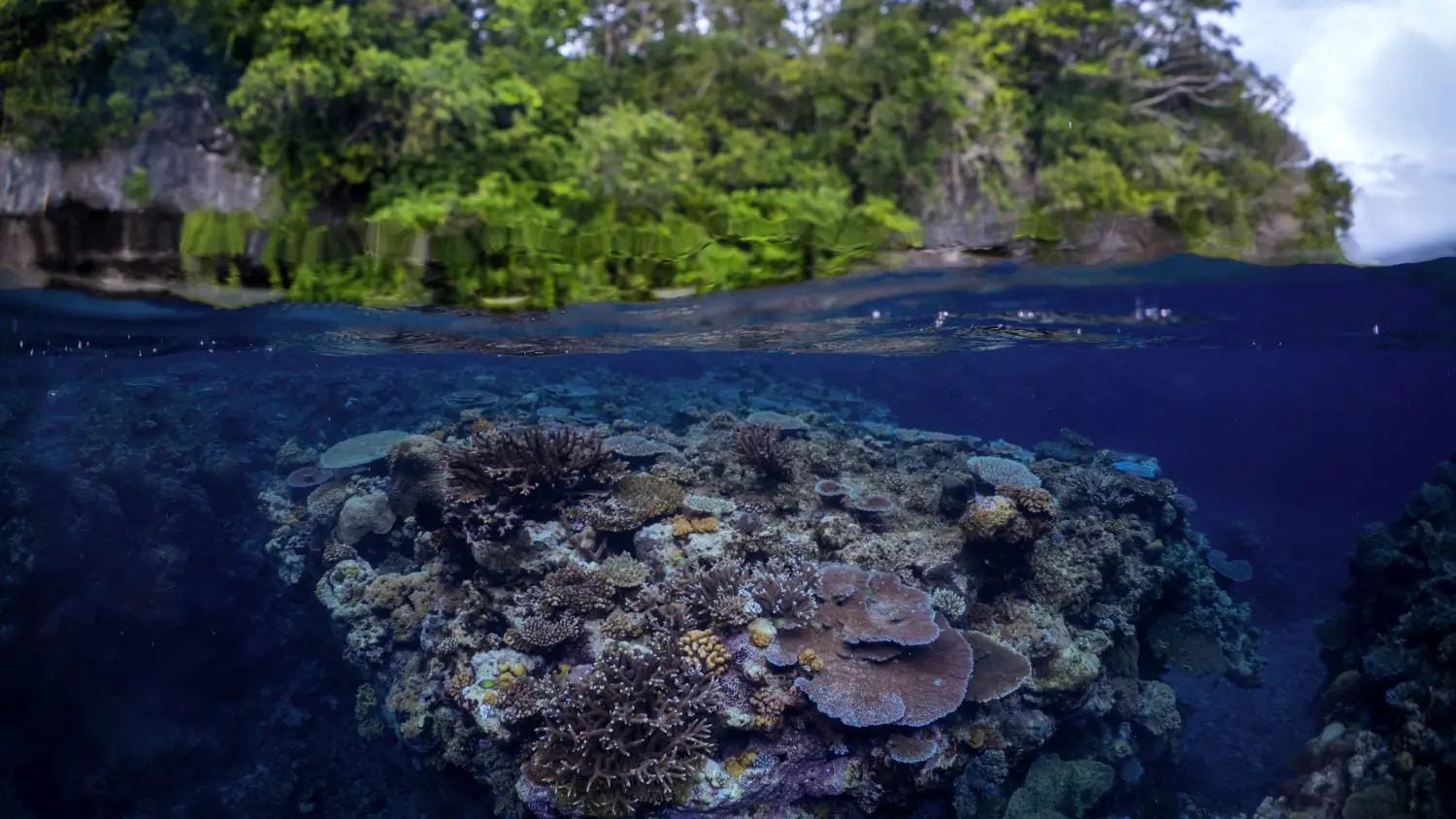
The reefscapes you’ll explore aboard Blue Horizon or Blue Melody feel like an underwater “garden of Eden” with coral gardens, vertical walls, tunnels, and caves, all teeming with life. Brightly coloured soft corals sway in gentle currents, while clouds of anthias shimmer in shafts of sunlight piercing the surface. Schools of trevally swirl around you in slow, silver choreography. Turtles glide lazily through the gardens, and blue-spotted rays skim across sandy bottoms like living brushstrokes.
Visibility is typically exceptional, making these reefs ideal whether you’re early in your diving journey or lining up that perfect wide-angle shot. Every descent is a sensory feast — vibrant colour, intricate coral structure, and the quiet, hypnotic rhythm of the ocean that encourages you to slow down, breathe, and simply be present in the moment.
Shark Encounters and Big Fish Moments
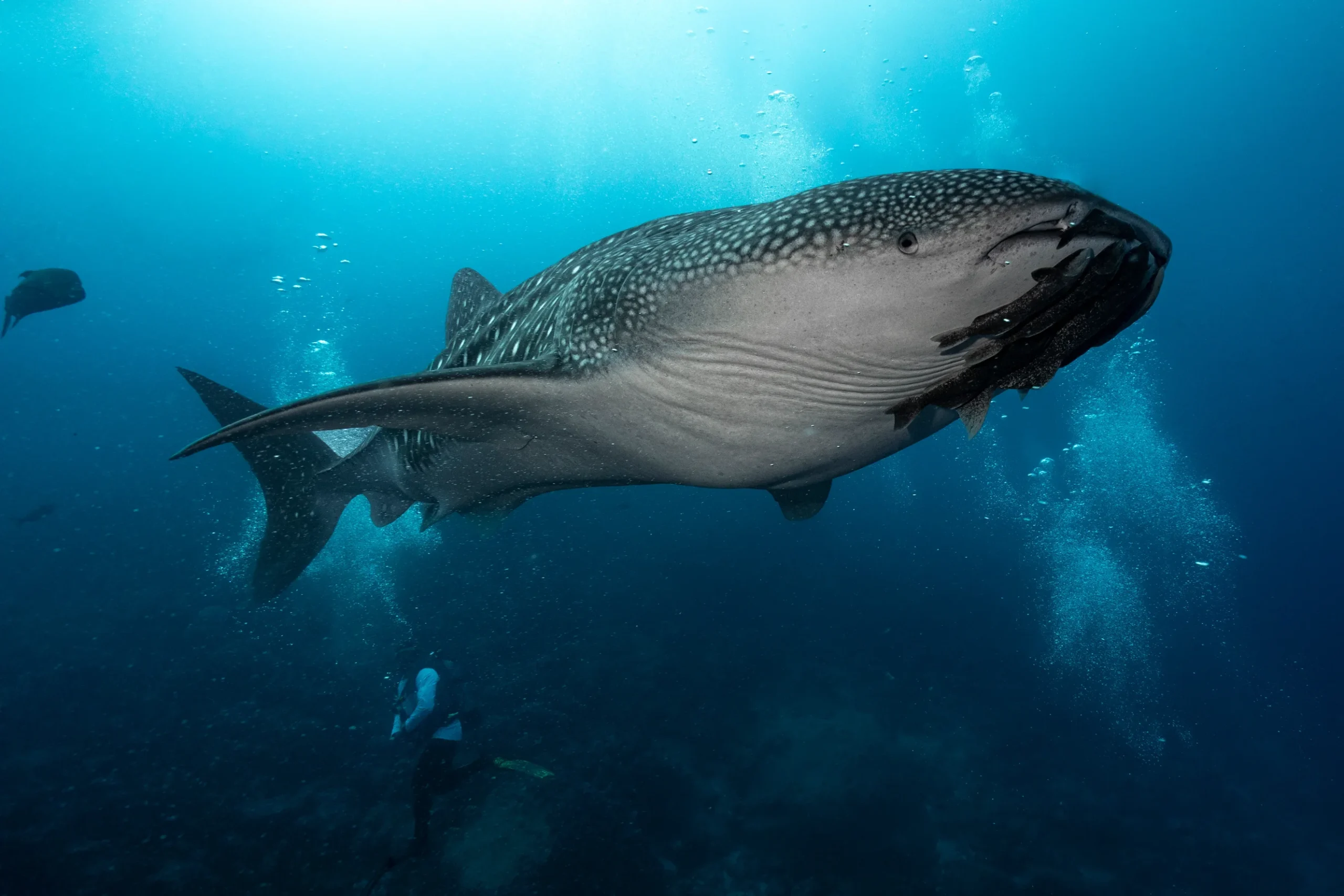
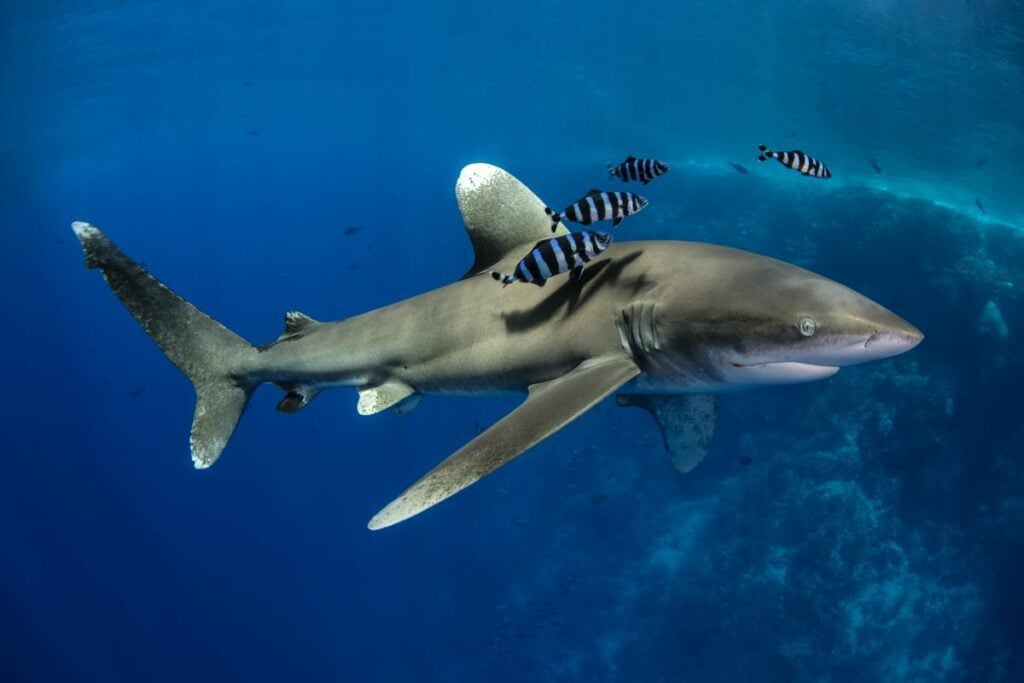
For those seeking a little extra thrill, the Red Sea delivers. You might spot grey reef sharks patrolling drop-offs, hammerheads gliding in the distance, or oceanic whitetips circling right under the boat. Thresher sharks sometimes make a fleeting appearance (especially at Brother Islands), and dolphins occasionally join the fun at the surface (mostly on Northern itineraries).
Timing matters: certain species are more common in different seasons, so every trip has its surprises. Your guides show you how to observe respectfully and safely, giving you the thrill of close encounters without ever compromising your safety or the animals’ well-being.
Even if you’re not chasing sharks, the sea is alive with action: schools of trevally swirl, rays glide along sandy bottoms, and manta rays or large pelagics occasionally appear overhead. Every dive holds the potential for a big-fish moment and you never quite know what will appear around the next corner.
A Typical Day on a Red Sea Liveaboard
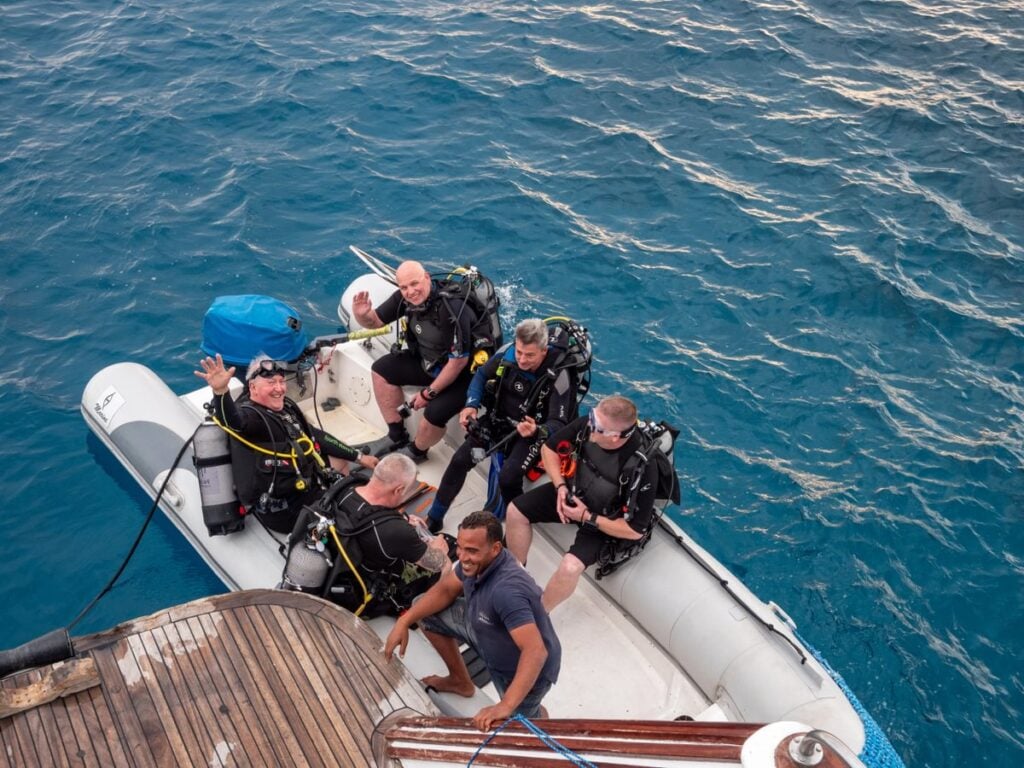
Mornings start early with a friendly briefing over tea and coffee, the Red Sea stretching out before you. Your first dive of the day might be a gentle drift along a coral garden, a wreck exploration heavy with history, or a glide along a dramatic drop-off as you scan the blue for passing pelagics.
Back onboard, breakfast fuels conversation, laughter and your preferred eggs, delivered just the way you like them. There’s time for a little nap, a review of dive footage, and gear prep before the next briefing draws everyone back to the dive deck.
Dive. Eat. Sleep. Repeat. The Red Sea sets your rhythm.
Most itineraries include three to four dives a day, with surface intervals that feel as relaxing as mini-holidays. The crew is always nearby, guiding, assisting, and quietly orchestrating every detail so you, beginner, enthusiast, or technical diver, feel supported and safe.
Dive Conditions and What to Expect
The Red Sea is forgiving for divers of mixed experience levels:
- Water temperature: from 22ºC in the winter months to 29ºC in the summer months. (71–84°F.)
- Visibility: Usually 20–40 metres, perfect for photography and confident navigation.
- Currents: Gentle at most sites, with stronger currents at certain wrecks and offshore reefs; your guides ensure safe drift and planning.
- Skill levels: Reefs and wrecks cater to beginners and advanced divers alike, while pelagic hotspots challenge more experienced divers.
- Safety & Regulations: The Red Sea is generally calm and predictable, but conditions vary from site to site. Many operators, including Master Liveaboards, follow the official standards and guidelines set by the Chamber of Diving and Water Sports (CDWS), which governs diving practices, environmental protection, and dive‑centre licensing in Egypt. This adherence helps keep both divers and marine life safe, giving you confidence to explore freely.
- Equipment tips: When diving the Red Sea, safety comes first. Whether you’re a beginner or an experienced diver, these items are essential:
- SMB / DSMB: For marking your position during ascents or drift dives.
- Whistle or audible signalling device: Quick and reliable communication on the surface.
- Torch: A must for wrecks, night dives, and exploring crevices.
- Dive computer (with nitrox capability if needed): Keeps your dives safe and within limits.
Evenings Onboard a Master Liveaboards Red Sea vessel
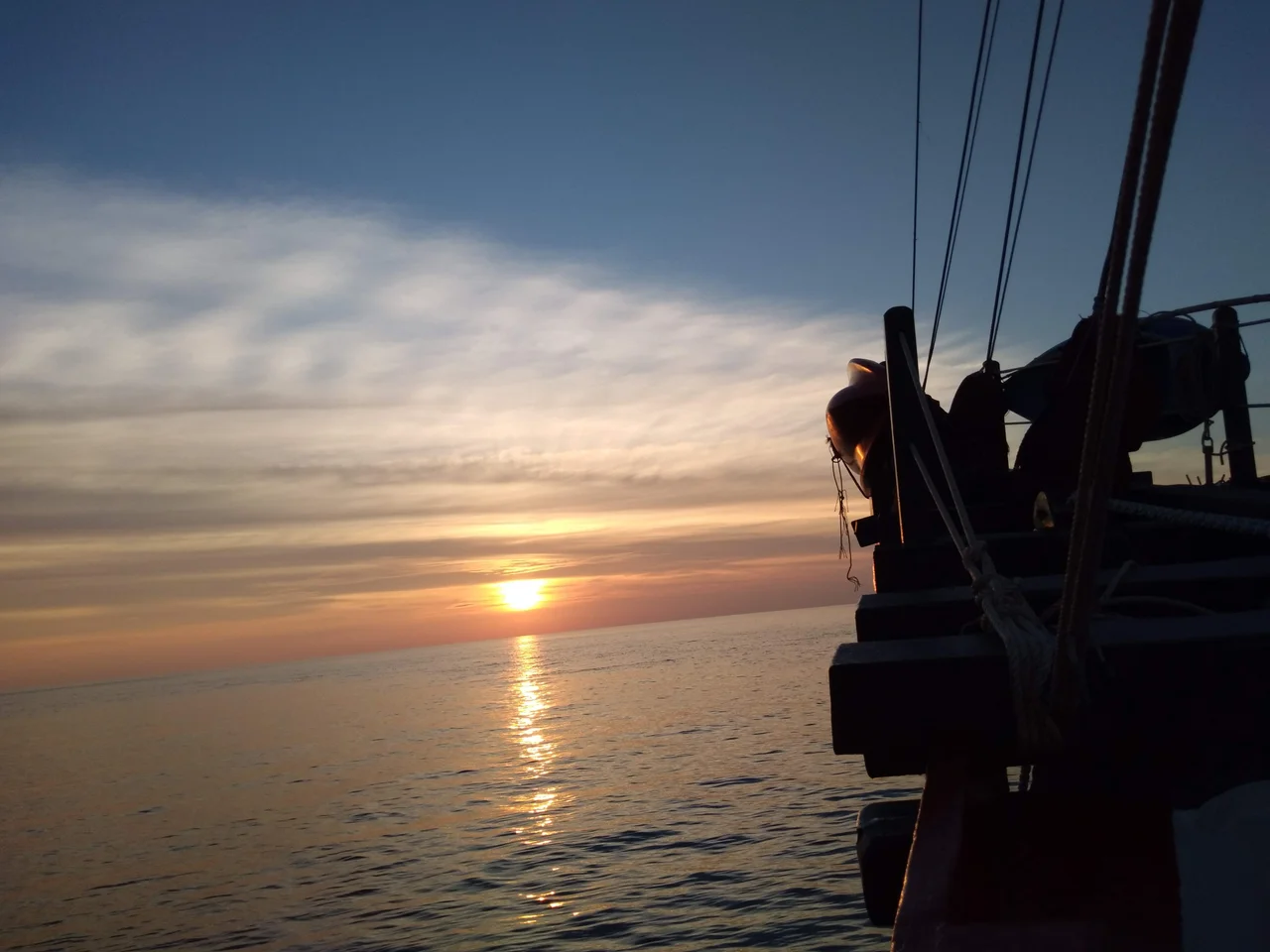
As the sun sets, the boat slows and the pace eases. You might join other guests on the upper deck to watch the horizon, or simply sit back and relax. Dinners are communal, with conversation, laughter, and the occasional review of dive footage. Plans for tomorrow’s dives are made naturally as the crew prepares for the next day.
After a demanding day underwater, maybe an early night is tempting . Though you’ll probably find yourself swapping stories on deck instead. At night, the Red Sea stretches overhead in a sky full of stars, mirrored by the gentle swell. These quieter moments give you a chance to reflect on the day, share stories, or simply enjoy the rhythm of the sea.
Why Choose Our Red Sea Liveaboards
When you sail with Master Liveaboards, you’re choosing more than a boat. You’re choosing to be diving the Red Sea wrecks and reefs with expertise, safety, and warmth. Experienced local guides read the sea like an open book, while every crew member works seamlessly behind the scenes to ensure comfort and smooth logistics.
The itineraries are crafted with decades of Red Sea knowledge, balancing wrecks, reefs, and pelagic encounters for maximum variety. From Blue Horizon to Blue Melody, every vessel is equipped for divers seeking both adventure and relaxation.
Blue Horizon | Blue Melody | Explore Egypt
Ready to Dive In?
The Red Sea offers something for everyone: historic wrecks, vibrant reefs, thrilling pelagic encounters, and serene moments of floating in crystal-clear water. Whether exploring historic wrecks or drifting over vibrant reefs, every dive highlights why Red Sea diving wrecks and reefs continue to attract divers from around the world.
Let your next adventure begin.
FAQs
Year-round diving is possible. For shark encounters, late summer to early winter is often ideal.
Most itineraries include three to four dives daily, with flexible scheduling depending on conditions and guests’ experience.
No! The Red Sea caters to mixed-experience groups. There are shallow reefs for beginners and challenging wrecks for advanced divers.
Expect turtles, rays, anthias, trevally, sharks, dolphins, and occasional mantas, with incredible coral diversity throughout.
All diving, meals, accommodation, transfers and guidance from experienced local crew are included. Extras are: fees, equipment hire, courses and nitrox. You can see the full price list here.
About the Author