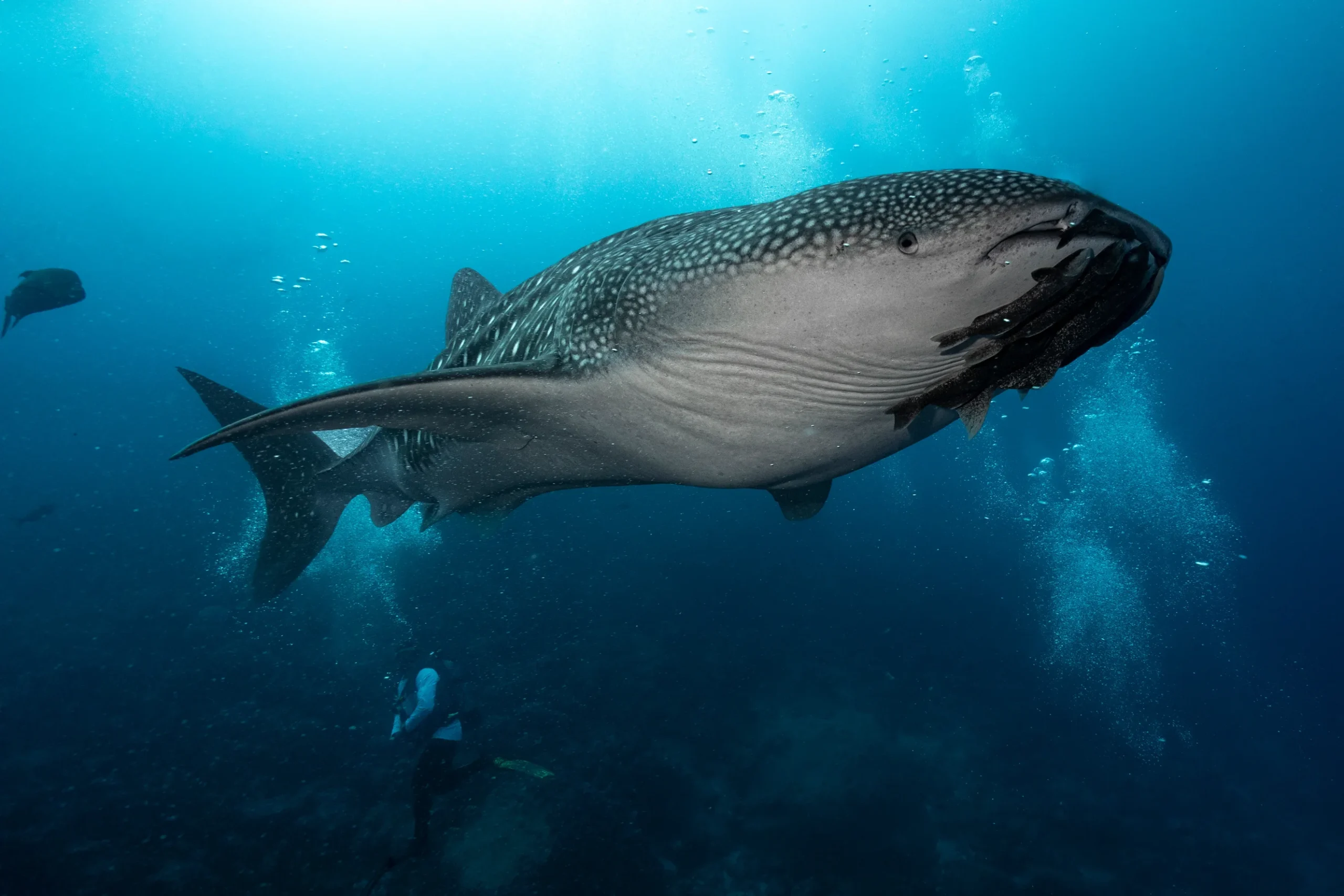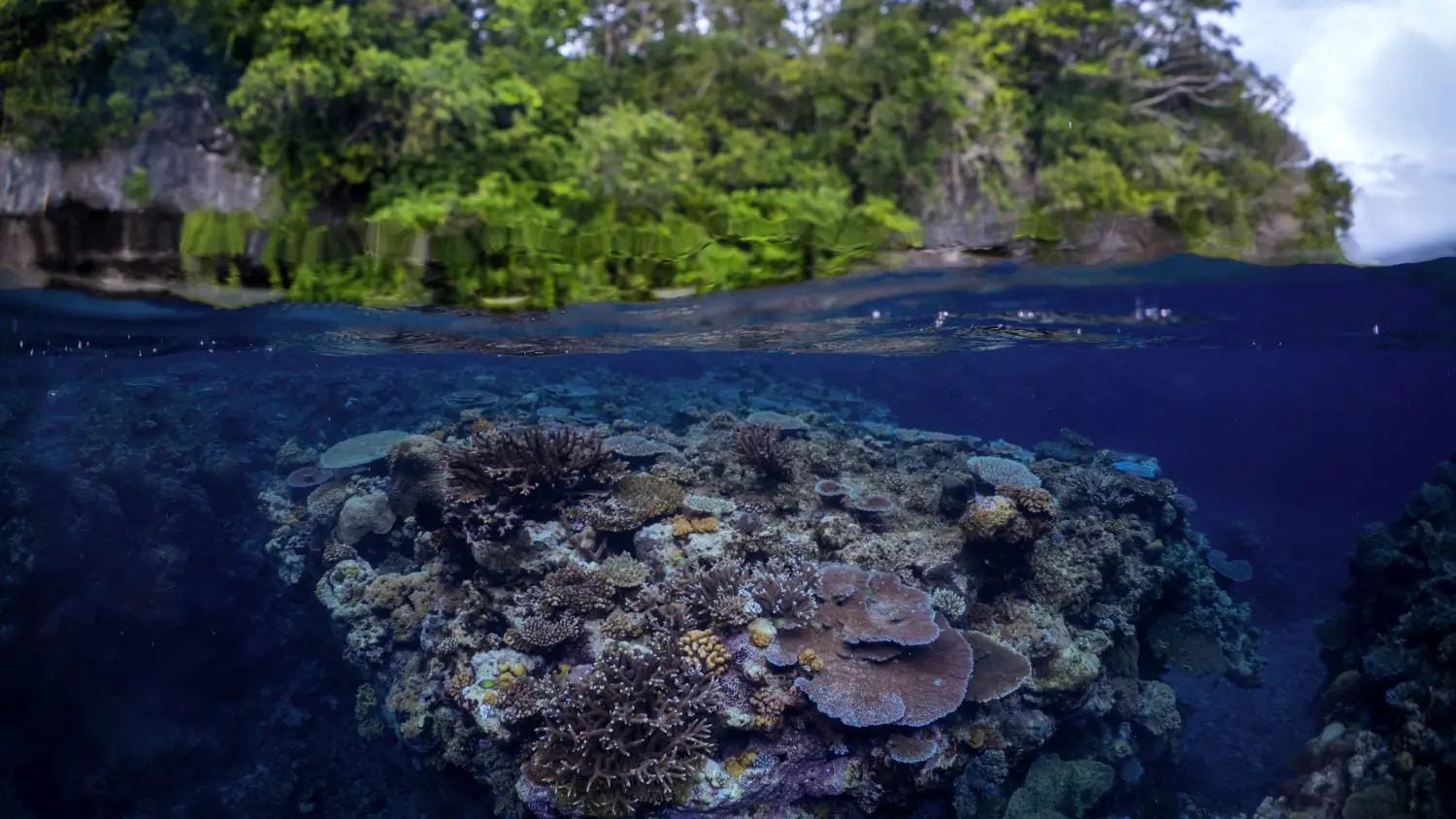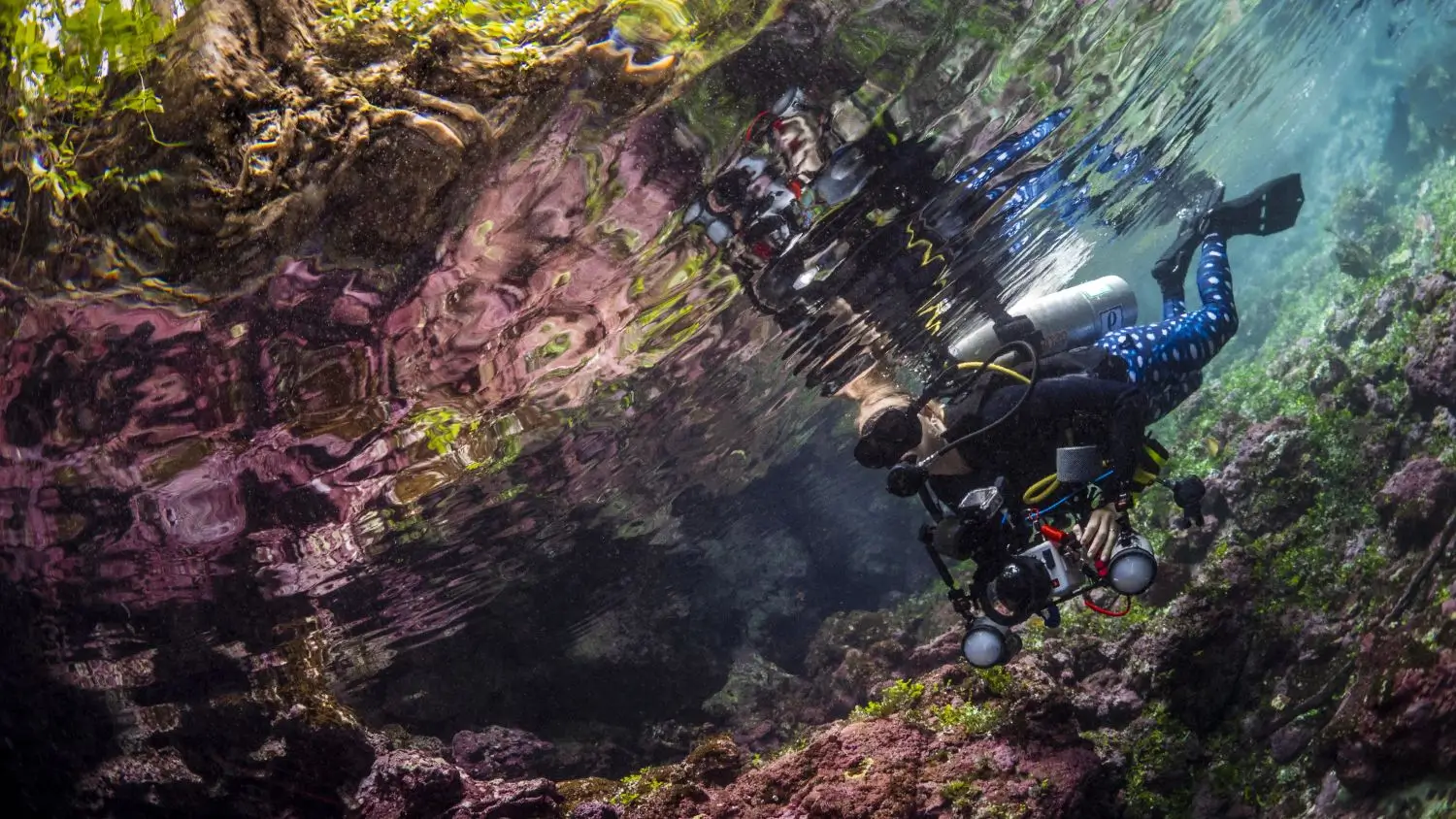

The Red Sea, and Egypt in particular, is a globally famous diving destination. But what truly sets this sea apart is its abundance of endemic species. We celebrate it often for its crystal-clear waters, vibrant coral reefs, and diverse marine life. These are organisms that are found nowhere else on Earth. Diving in the Red Sea is not just about witnessing reefs and wrecks; it’s about encountering unique species that have evolved in isolation over millennia.
What Does “Endemic” Mean?
Before diving into the specifics of the Red Sea’s endemic species, let’s clarify what “endemic” means. An endemic species is a plant, animal, or organism that exists only in one particular geographic location and nowhere else in the world. This could be a specific country, island, or even a particular reef system. The Red Sea, due to its unique environmental conditions, has fostered the evolution of many such species.
Endemism occurs because of geographical isolation, often due to natural barriers such as mountains, oceans, or climatic differences. Over time, species adapt to their specific environment, leading to unique evolutionary paths. These adaptations can make endemic species particularly fascinating, as they often exhibit characteristics not seen in related species elsewhere.
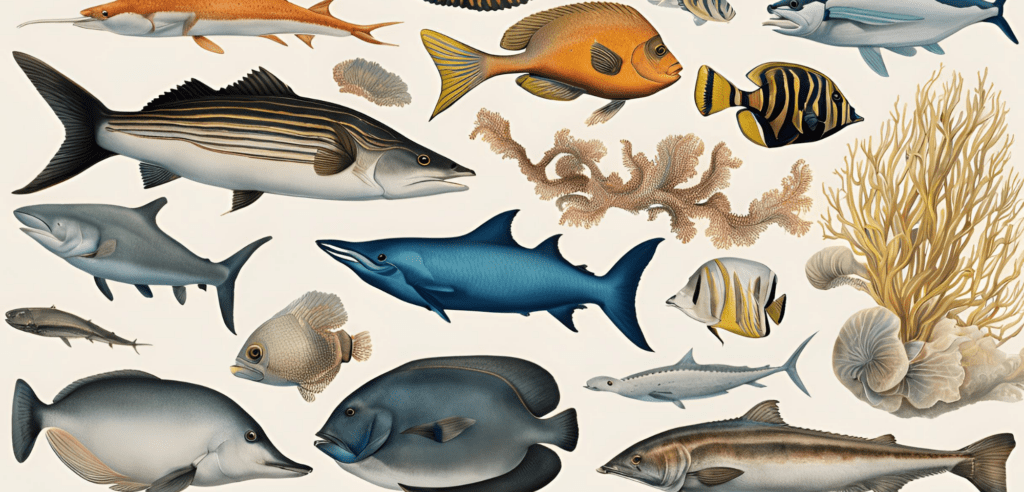
The Richness of Endemic Species in the Red Sea
The Red Sea is a unique marine environment that supports an extraordinary array of life. One of the reasons for this rich biodiversity, particularly in terms of endemic species, is the sea’s geographic isolation. Surrounded by desert and connected to the Indian Ocean only via the narrow Bab el Mandeb Strait, the Red Sea has remained somewhat secluded from other marine ecosystems. Low rainfall and high evaporation mean that its salinity is higher than other seas. The Red Sea is one of the saltiest seas on the planet! This isolation has allowed its inhabitants to evolve separately, resulting in a high level of endemism.
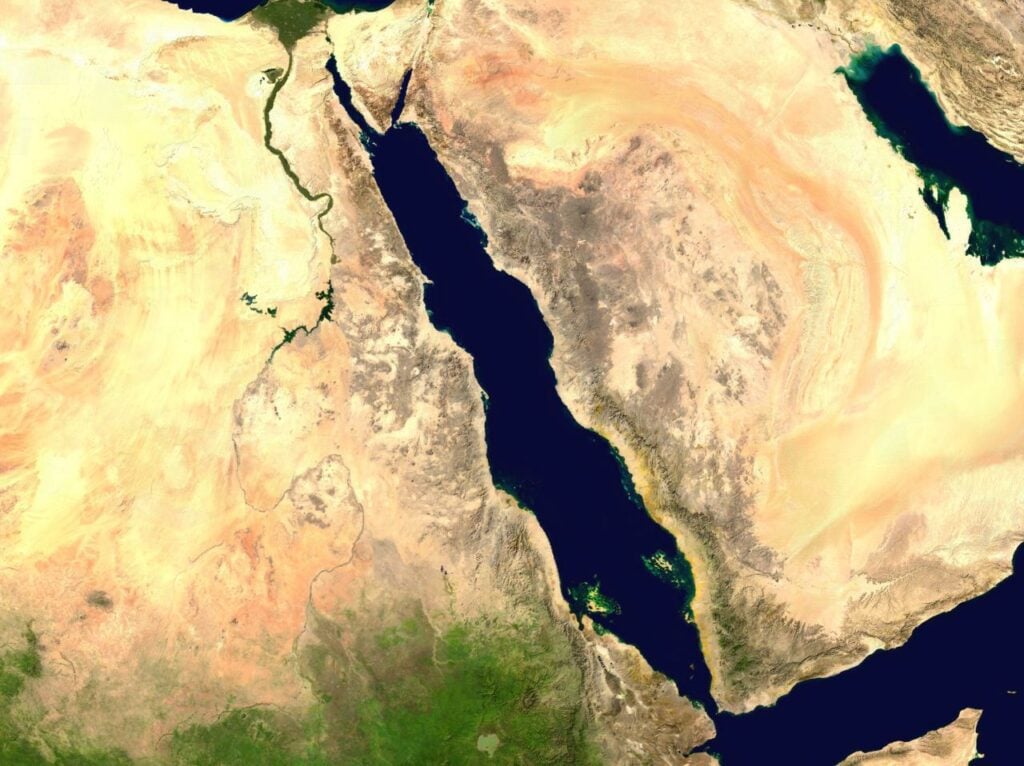
The estimations and studies show that approximately 13% to 15% of reef fish and 5.5% of corals are endemic in the Red Sea.
These species often resemble others you might have encountered elsewhere. This makes it crucial to recognise that what you’re observing is truly one-of-a-kind. Understanding these distinctions helps you appreciate their uniqueness.
Some examples of Red Sea endemic species:
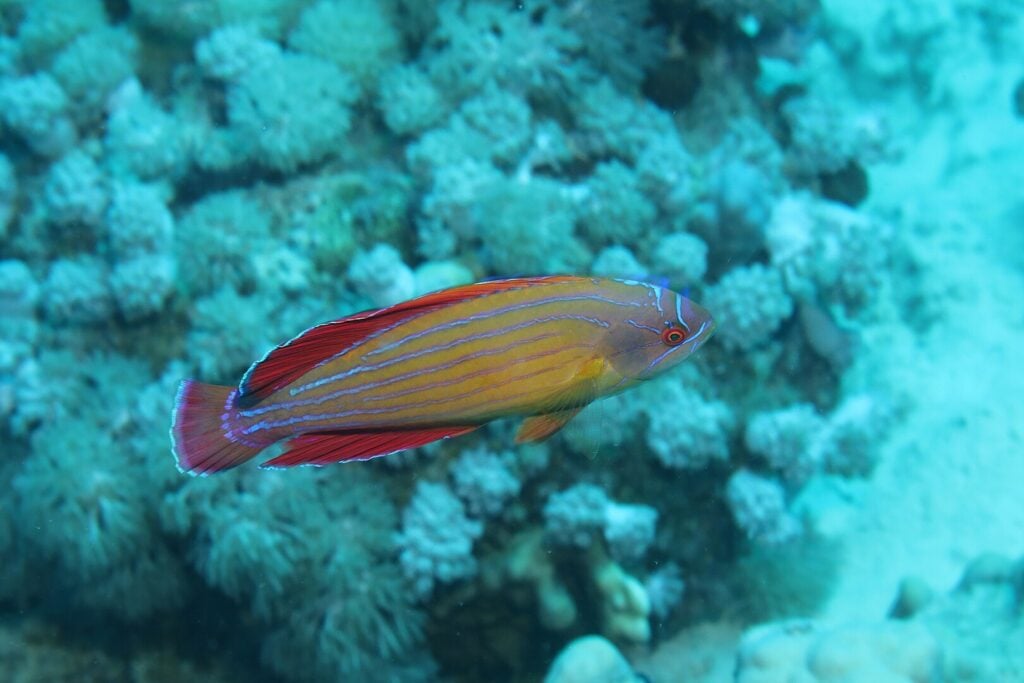
While it is impossible to name all the Red Sea endemic species, here are some of the most notable examples:
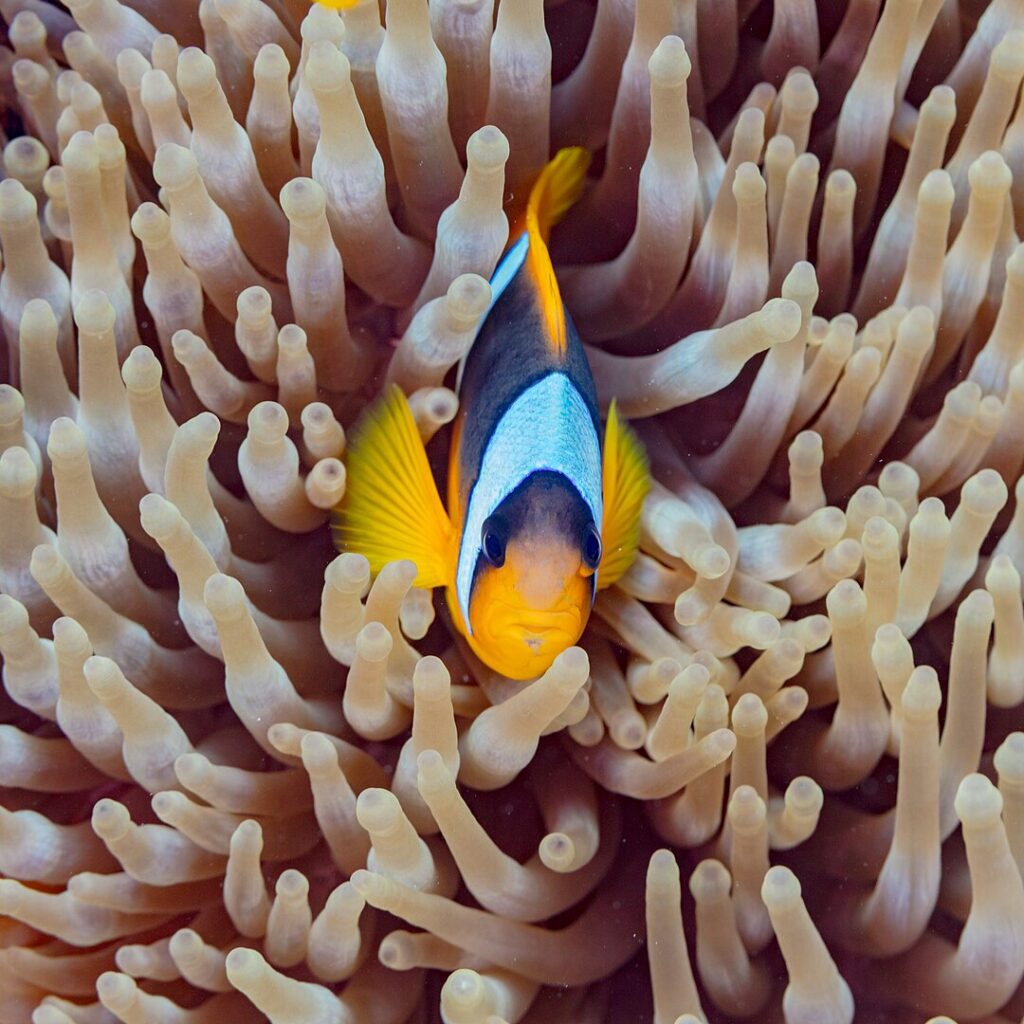
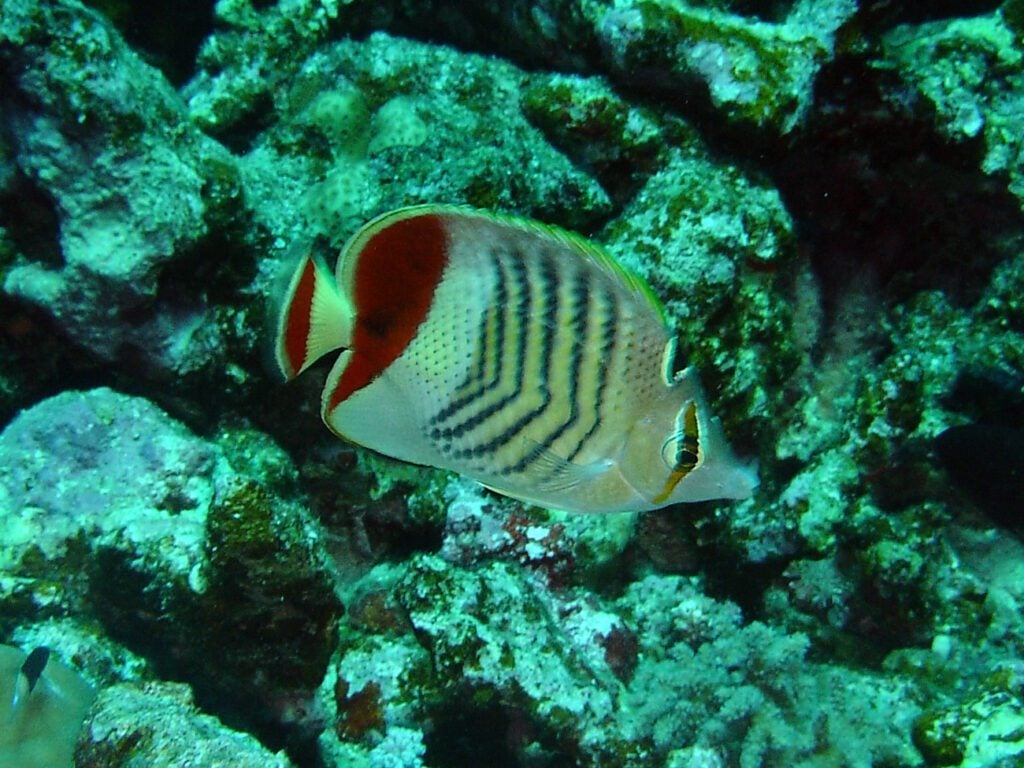
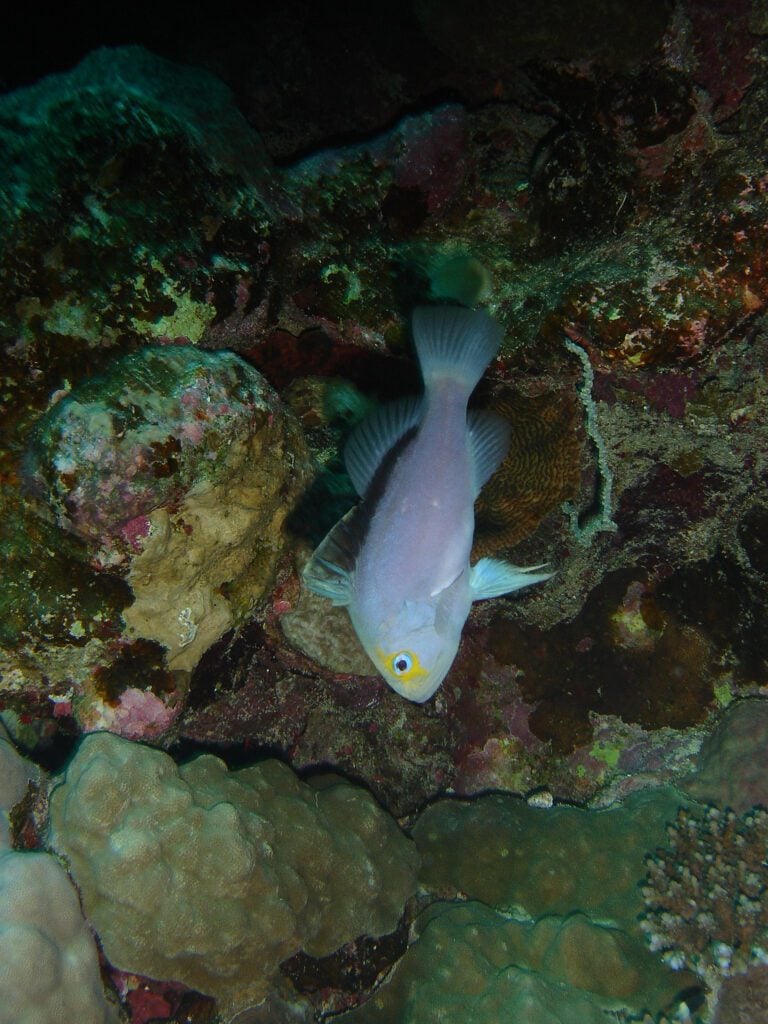
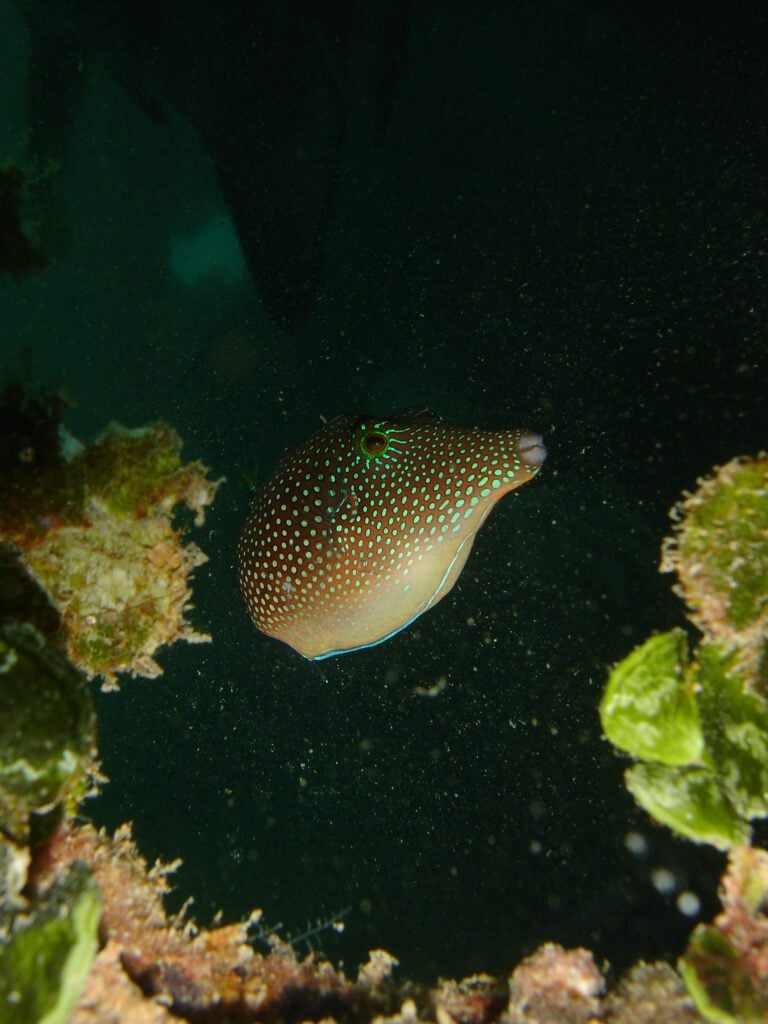
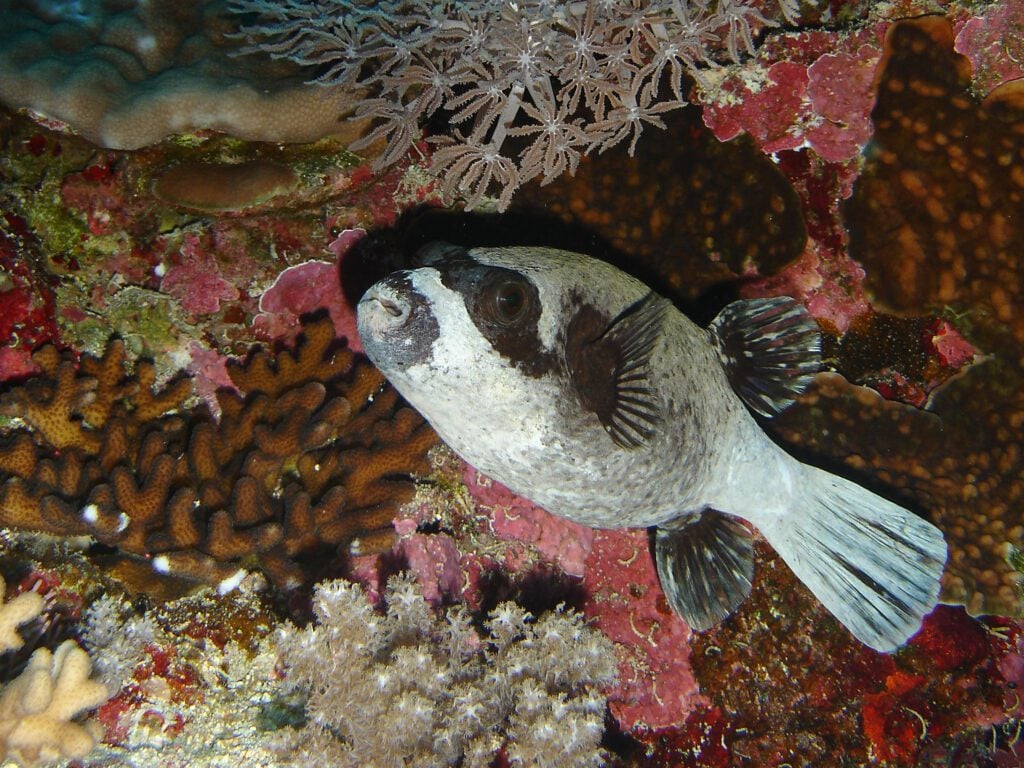
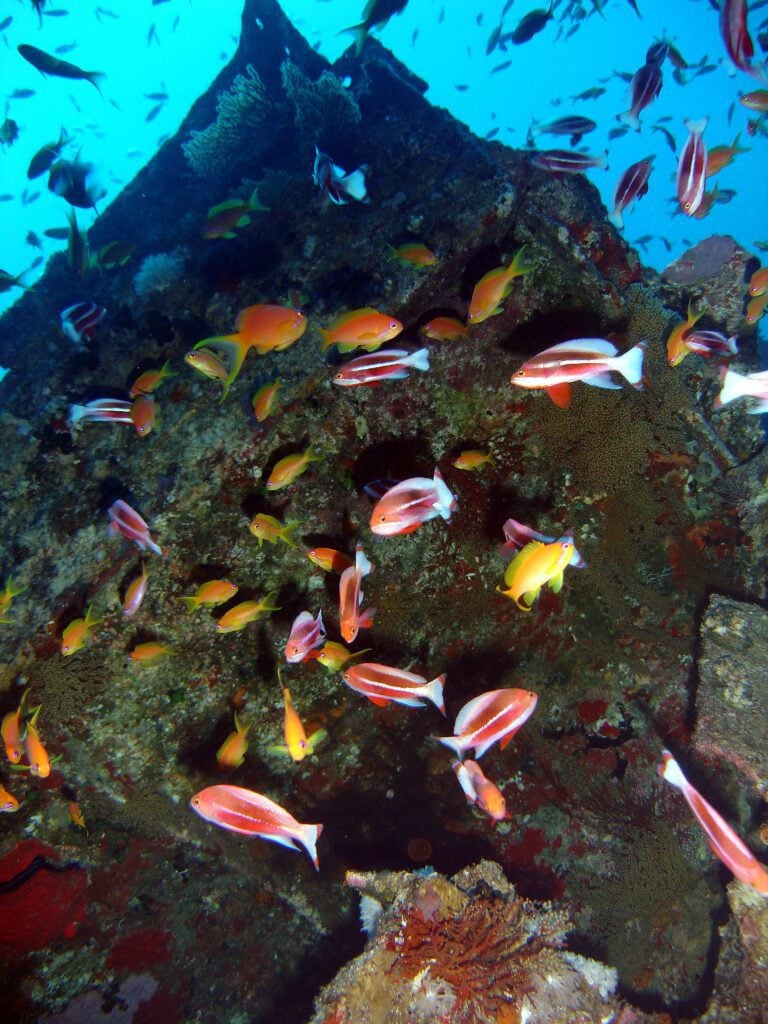
- The Red Sea Clownfish (Amphiprion bicinctus)
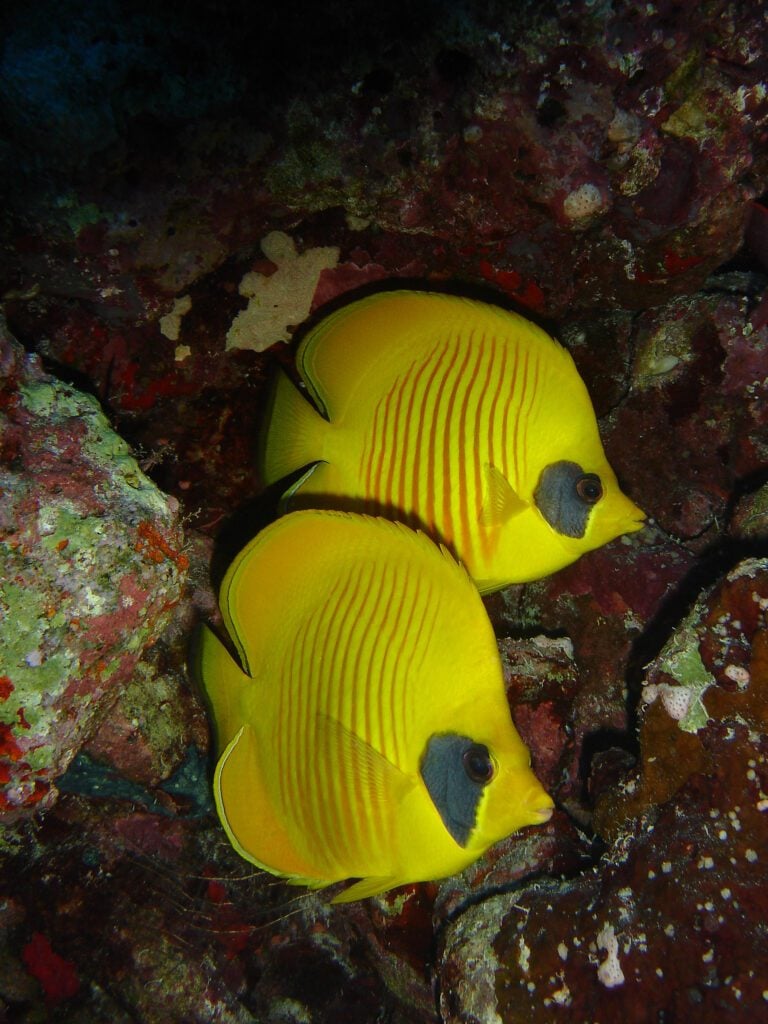
- The Masked Butterflyfish (Chaetodon semilarvatus)
- The Blacktail or Polyp butterflyfish (Chaetodon austriacus)
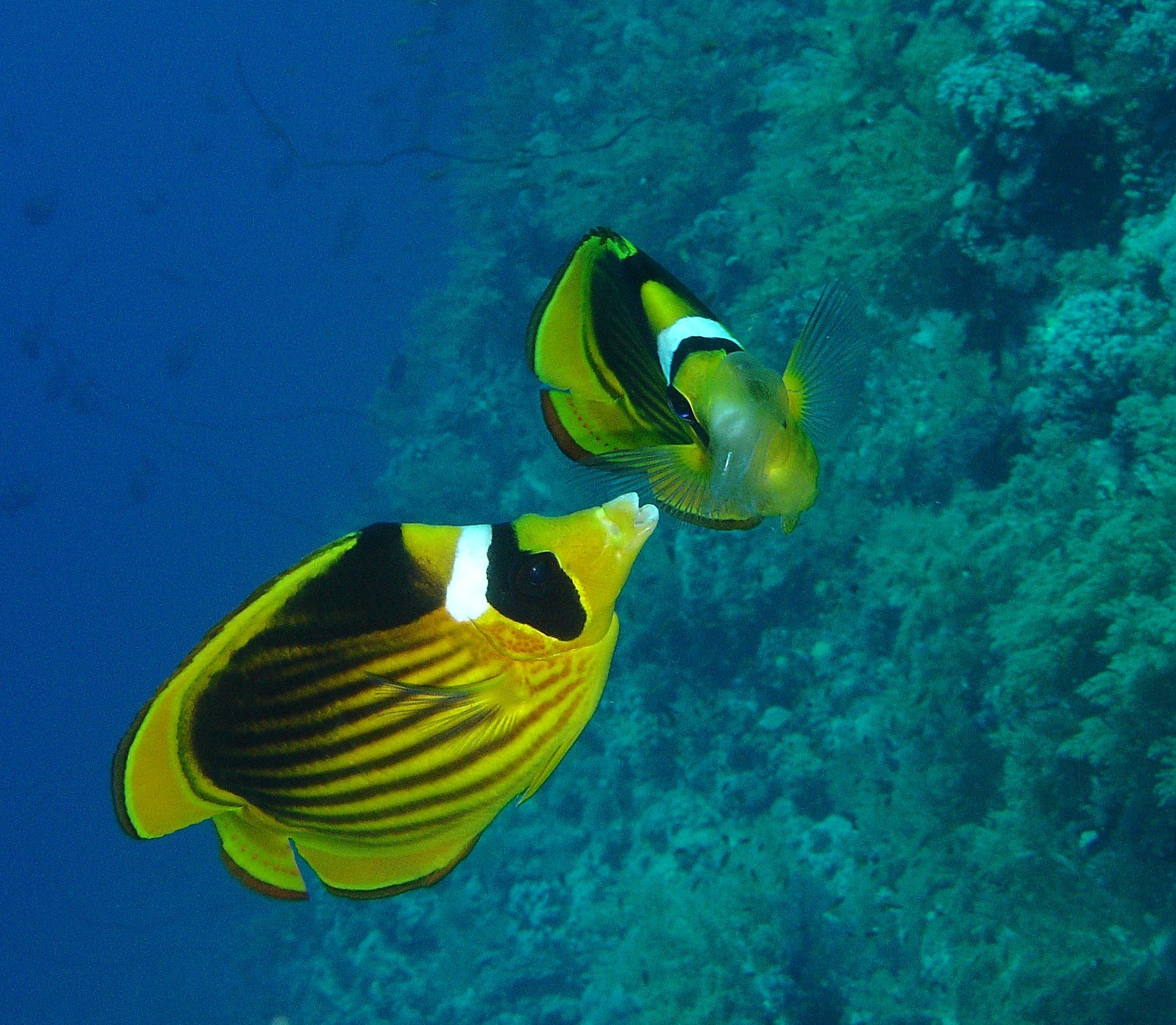
- The Red Sea Butterflyfish or Red Sea Raccoon butterflyfish (Chaetodon fasciatus)
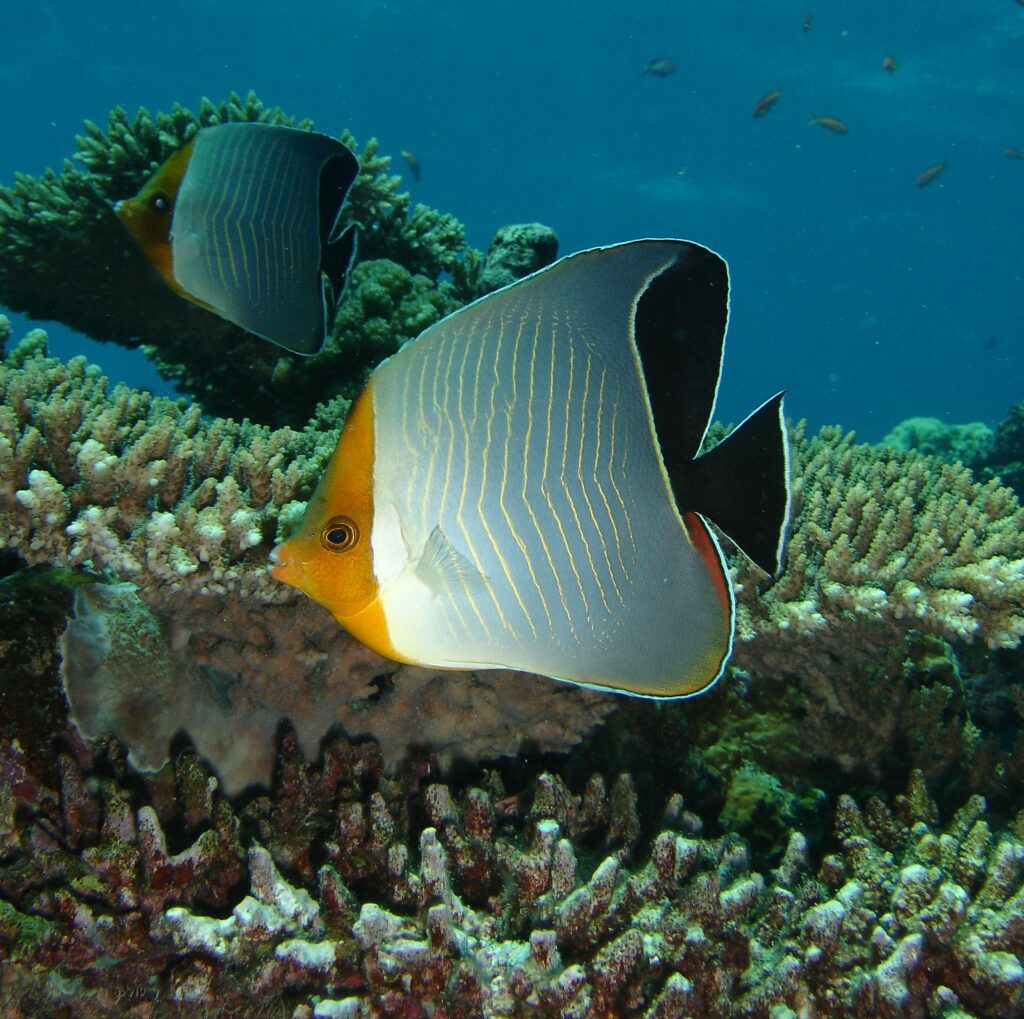
- The Hooded Butterflyfish or Orangeface Butterflyfish (Chaetodon larvatus)
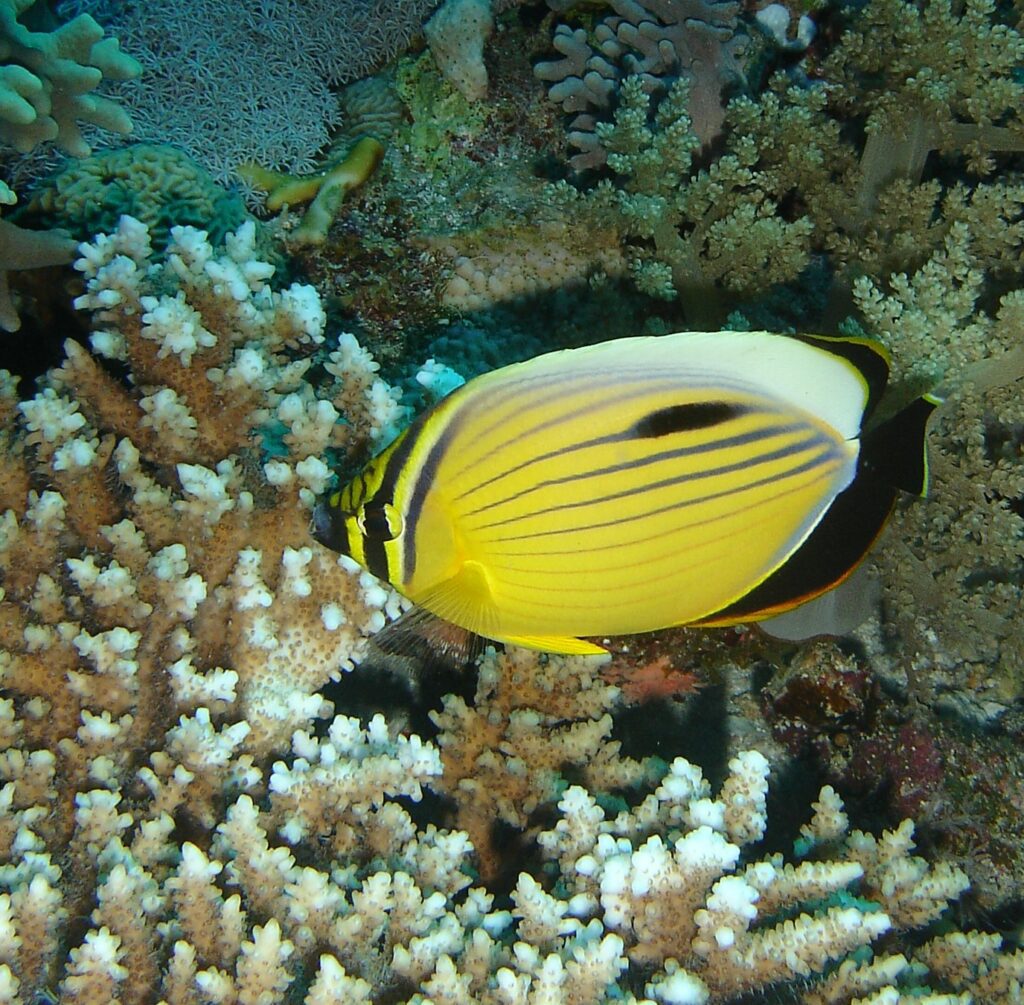
- Red Sea Chevron Butterflyfish (Chaetodon paucifasciatus)
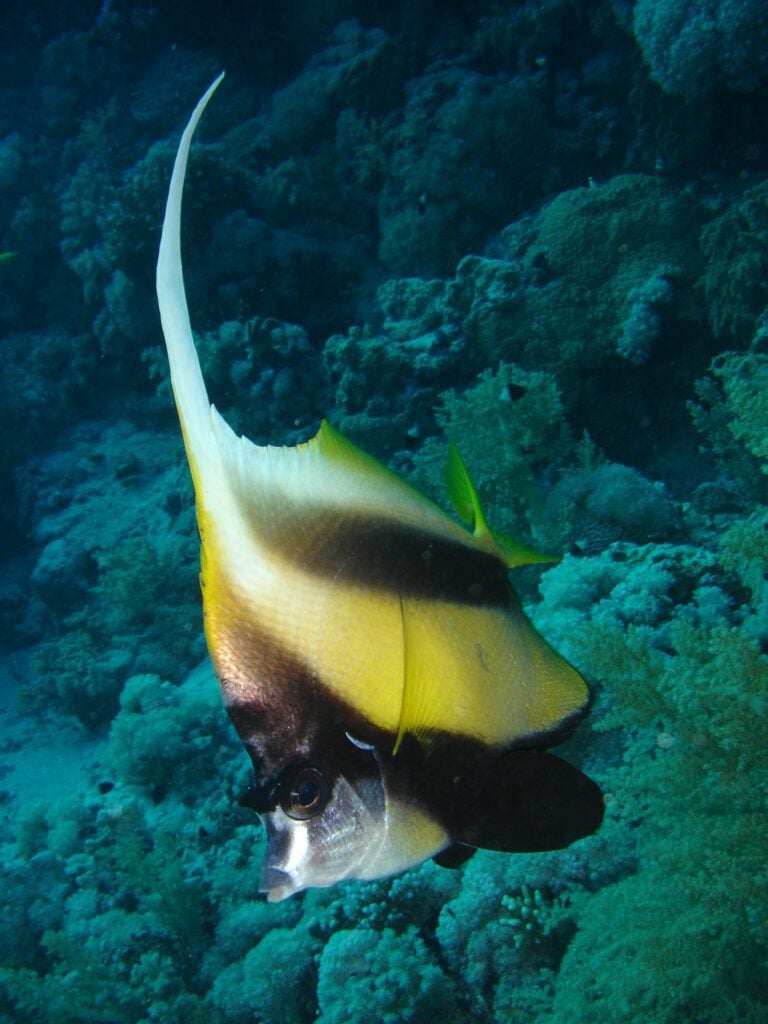
- The Red Sea Bannerfish (Heniochus intermedius)
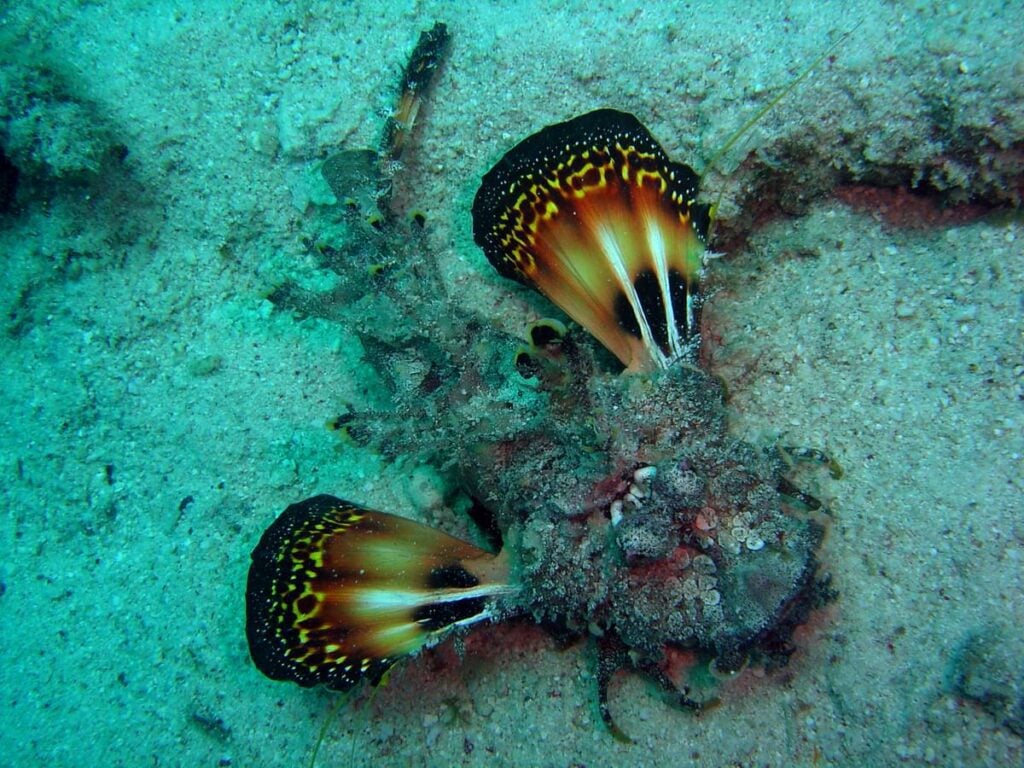
- The Red Sea Walkman (Inimicus Filamentosus)
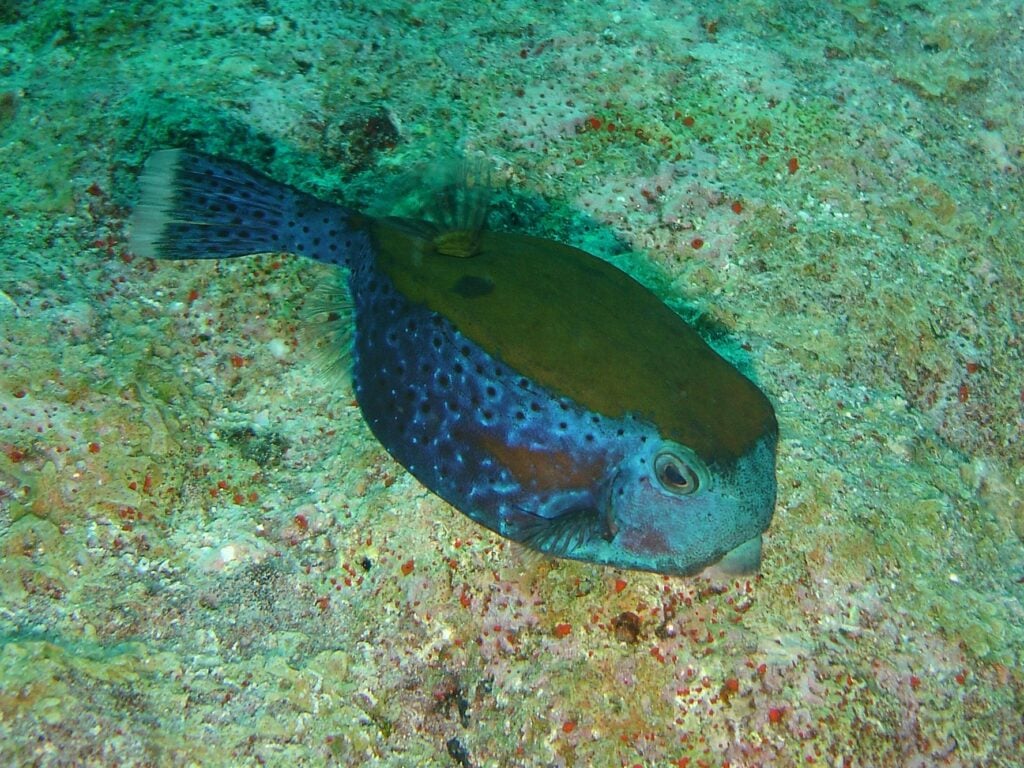
- The Red Sea Boxfish (Ostracion cyanurus)
- The Yellowbar Angelfish (Pomacanthus maculosus)
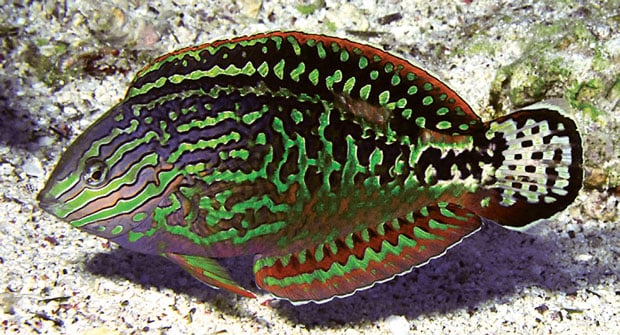
- (Macropharyngodon marisrubri) The Red Sea Leopard Wrasse
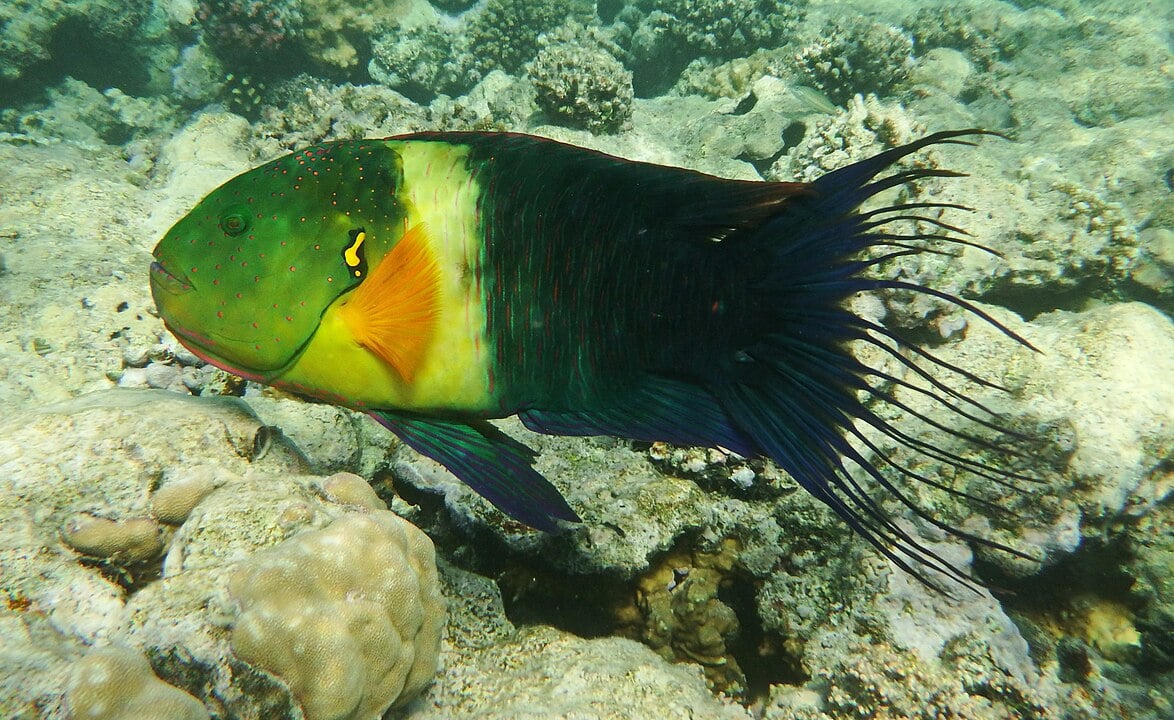
- The Broomtail Wrasse (Cheilinus lunulatus)
- The Red Sea Flasher Wrasse (Paracheilinus octotaenia)
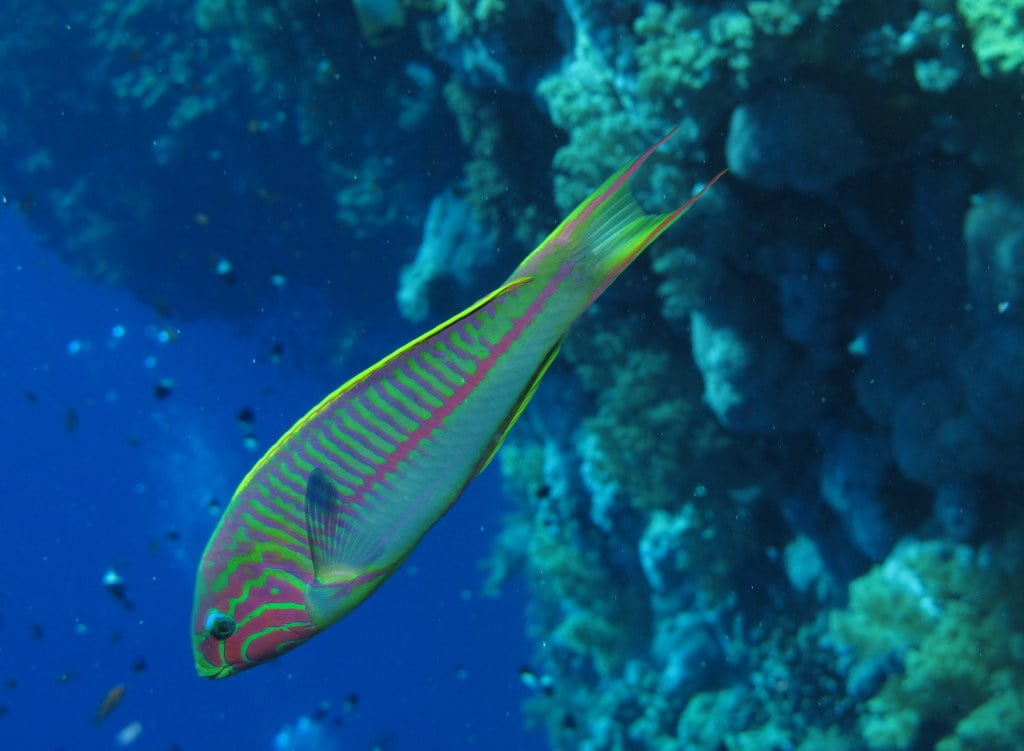
- Klunziger´s Wrasse (Thalassoma rueppellii):
- The Red Sea Anthias (Pseudanthias taeniatus)
- (Diploprion drachi) The Red Sea Soapfish
- The Red Sea Toby (Canthigaster margaritata)
- The Masked Pufferfish (Arothron diadematus)
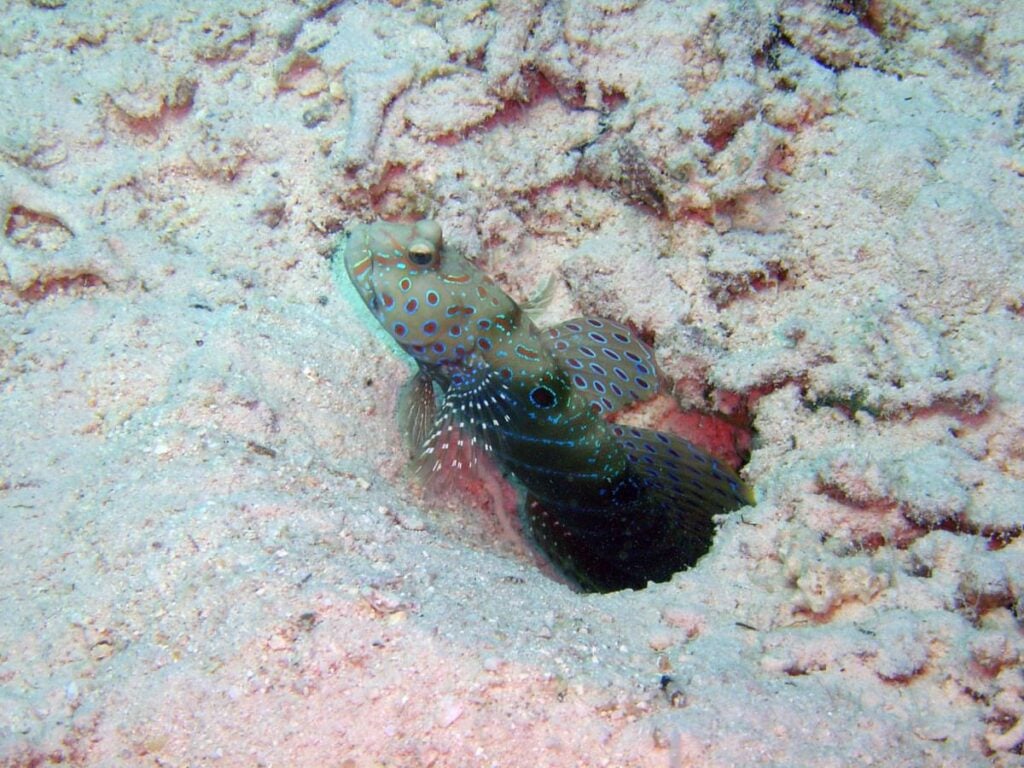
- Red Sea Shrimp Goby or Harlequin Goby (Cryptocentrus caeruleopunctatus)
Lessepsian Migrants: a unique trait to the Red Sea
The Red Sea is not only home to a wealth of endemic species but is also unique for another phenomenon: Lessepsian migration. Named after Ferdinand de Lesseps, the French engineer who oversaw the construction of the Suez Canal, Lessepsian migrants are marine species that originate on one side of the canal and migrate to the other. They establish new populations and often become invasive in either sea. The great majority of the Lessepsian migrations involve species from the Red Sea entering the Mediterranean. The most notable example is the Bluespotted cornetfish (Fistularia commersonii) which left the Red Sea to now be a common sight in the Mediterranean Sea.
The reverse is less common and is called the Anti-Lessepsian migration. The Red Sea is a much harsher environment for species to adapt.
These migrations have profoundly impacted the marine ecosystems of both the Red Sea, but especially the Mediterranean. In the Red Sea, some of these migrant species have successfully established themselves, contributing to the region’s biodiversity. However, their introduction also raises ecological concerns, as these non-native species can disrupt local ecosystems and outcompete native species.
For us divers, encountering Anti-Lessepsian migrants adds another layer of fascination. It provides a unique opportunity to observe Evolution and the ongoing shifts in marine life.
Among the fish species that have been confirmed as anti-Lessepsian migrants and that you might encounter:
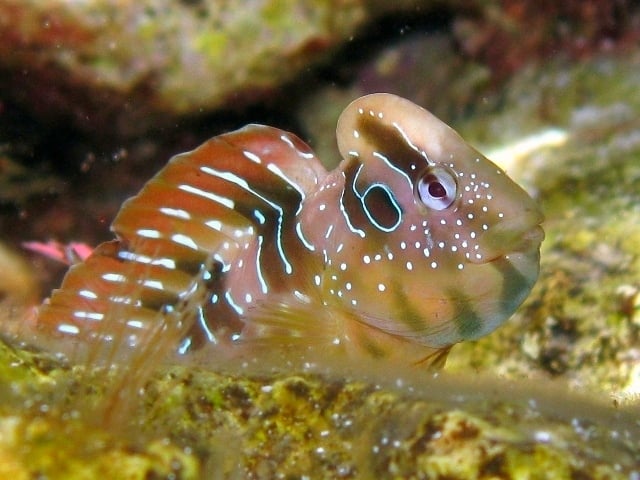
- The peacock blenny (Salaria pavo),
- The Egyptian Sole (Solea aegyptiaca)
- The Mediterranean moray (Muraena helena),
- The rock goby (Gobius paganellus)
- The meagre (Argyrosomus regius)
Diving in the Egyptian Red Sea can be a journey into one of the most unique marine ecosystems on Earth. The high concentration of endemic species makes every dive a chance to witness something truly special.
Whether you are a seasoned diver or a novice, exploring the Red Sea onboard our vessels offers an unparalleled opportunity to connect with the wonders of our natural world. And to marvel at the extraordinary diversity of life that it sustains.
About the Author