
Modern liveaboard diving is more than just a gateway to the world’s most remote dive sites; it is increasingly becoming a proactive force in marine conservation. By operating as mobile platforms that reduce the footprint on coastal infrastructure, liveaboards can help alleviate pressure on fragile nearshore reefs. Through a combination of responsible operational choices, stringent waste management, and expert crew leadership, these vessels foster a culture of long-term stewardship.
When divers choose an operator committed to Responsible Tourism and Understanding Carbon Offsetting, they transition from spectators to active participants in protecting the blue heart of our planet.
Quick Summary
- Reduced Footprint: Liveaboards minimise coastal development and spread tourism impact across larger, more resilient areas.
- Operational Excellence: Modern vessels manage waste, energy, and water use with high-tech onboard systems.
- The Power of the Crew: Educated staff enforce no-touch policies and educate guests on marine biology.
- Direct Conservation Support: Marine park fees and partnerships with NGOs fund the protection of the sites we visit.
- Citizen Science: Divers assist in data collection, reporting species sightings that help researchers track ocean health.
Exploring the Ocean Comes With Responsibility
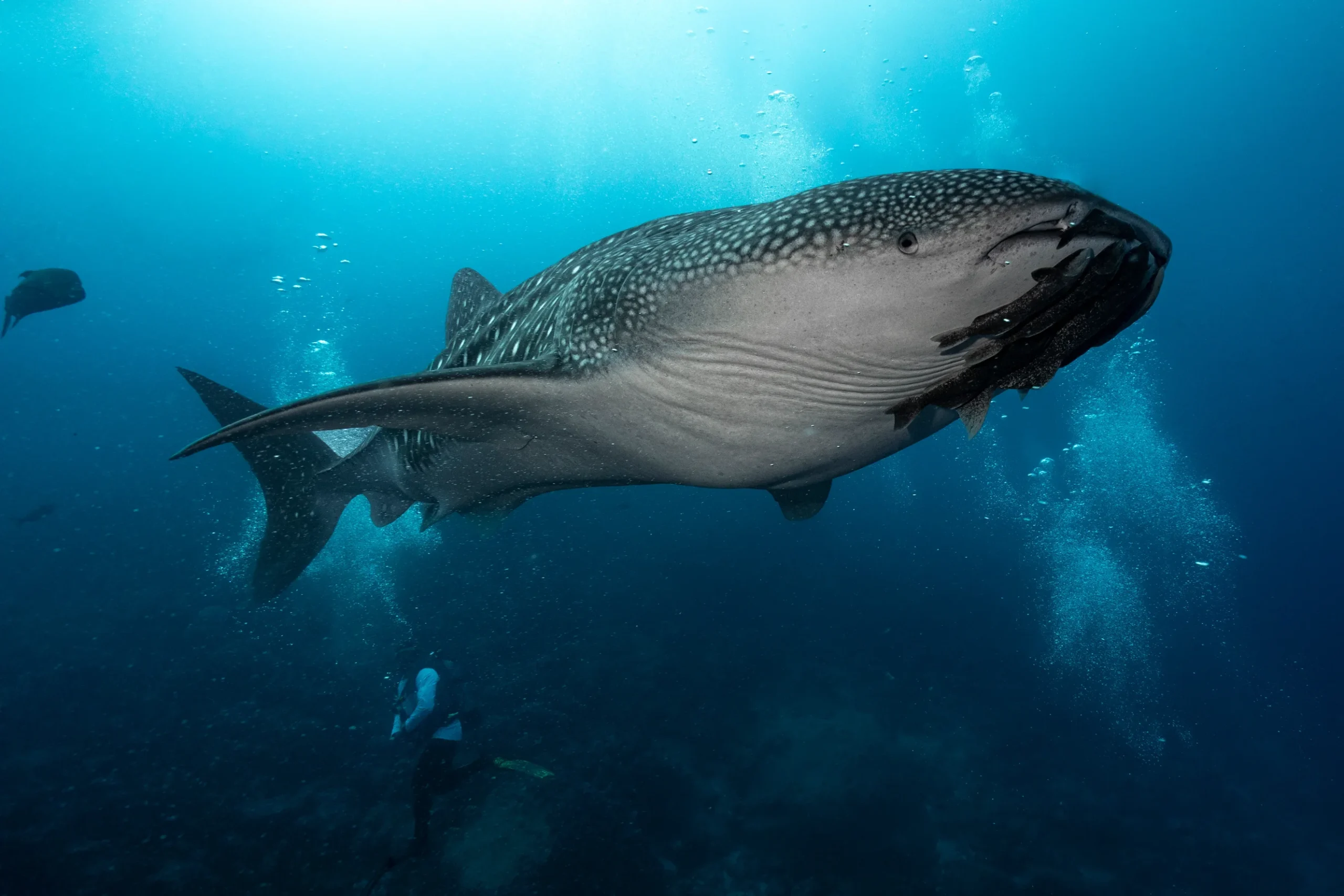
The same oceans that deliver life-changing dive experiences are also among the most vulnerable, and how we explore them matters. As we descend into the silent world of a coral reef or drift alongside a whale shark, we are guests in a delicate ecosystem. The thrill of discovery is undeniable, but it brings with it a fundamental responsibility. To ensure that the reefs of today remain the vibrant playgrounds of tomorrow, the diving industry is shifting toward a model where exploration and preservation are inextricably linked. It is no longer enough to “take only pictures and leave only bubbles”; we must ensure our presence actively supports the environment we admire.
The Sustainability Challenge Facing Our Oceans
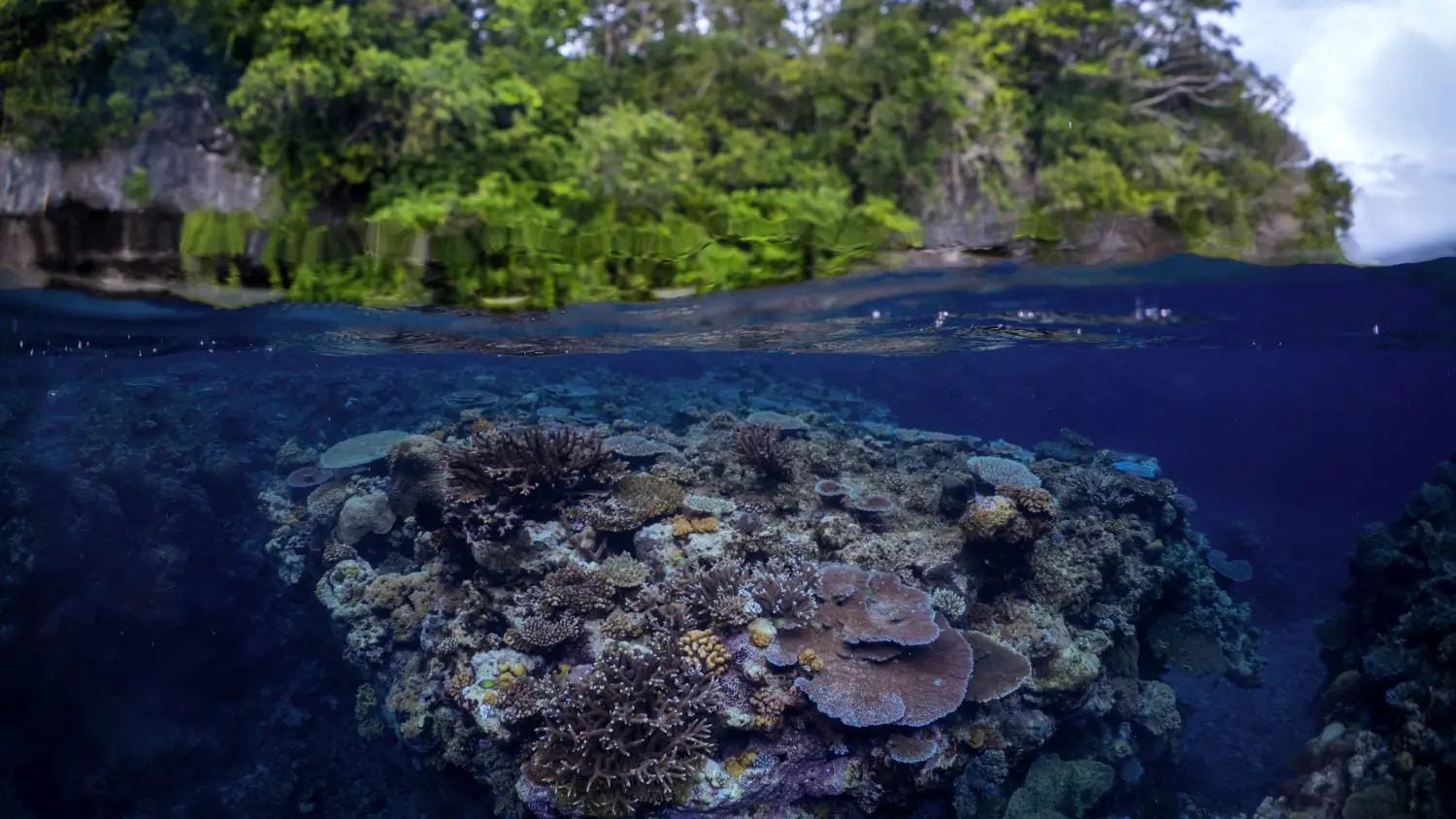
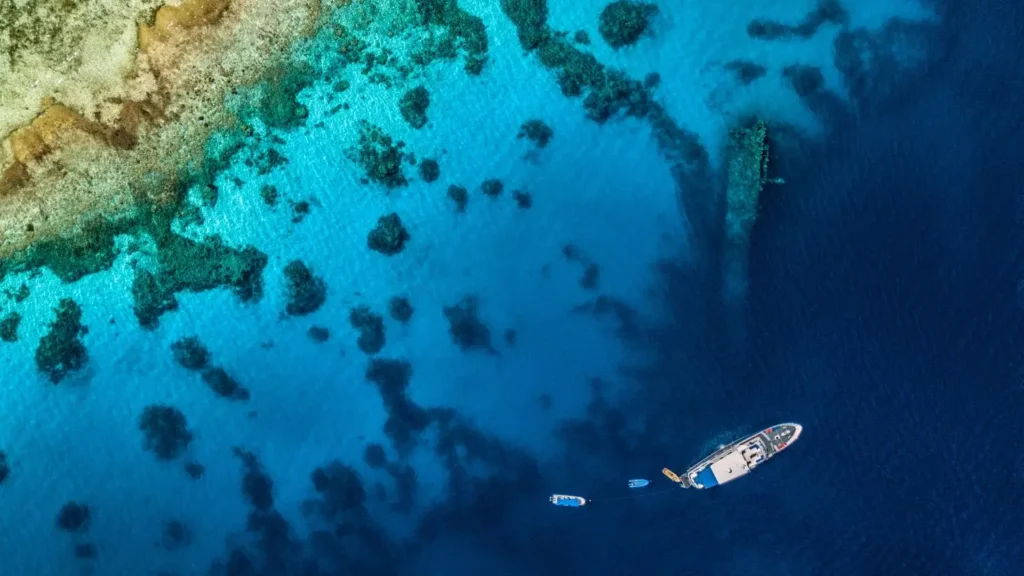
Globally, oceans are under unprecedented stress. While the vastness of the sea can make it seem invincible, the reality is a fragile balance currently being tipped by several key factors.
Increasing Pressure on Fragile Marine Ecosystems
- Climate Change: Rising sea temperatures lead to coral bleaching, while ocean acidification threatens the ability of shell-forming organisms to survive.
- Overfishing: The continuing removal of apex predators and key herbivorous fish disrupts the entire food chain, often leading to algae overgrowth on reefs.
- Coastal Development: Massive hotel complexes and land reclamation projects lead to sedimentation and nutrient runoff, which can smother nearby coral colonies.
- Unregulated Tourism: In high-traffic areas, hundreds of daily divers can inadvertently damage reefs through poor buoyancy or overcrowding.
- Pollution: From environmental pollution to noise pollution, and the pure volume of all kinds of traffic. All of it piles pressure on the marine environment we all love.
Why Divers Have a Unique Role to Play
Divers are the “eyes of the ocean.” We see the changes: the bleaching, the plastic, the slow recovery, long before they reach mainstream news. This first-hand exposure turns divers into natural advocates. By supporting responsible operators, we vote with our wallets for a sustainable future, proving that a healthy ocean is a valuable economic asset.
Why Liveaboards Can Be a More Sustainable Way to Dive
It might seem counterintuitive that a large ship is more “eco-friendly” than a land-based resort, but from a geographic and operational perspective, liveaboards offer distinct advantages for conservation.
Fewer Daily Transfers, Lower Coastal Impact
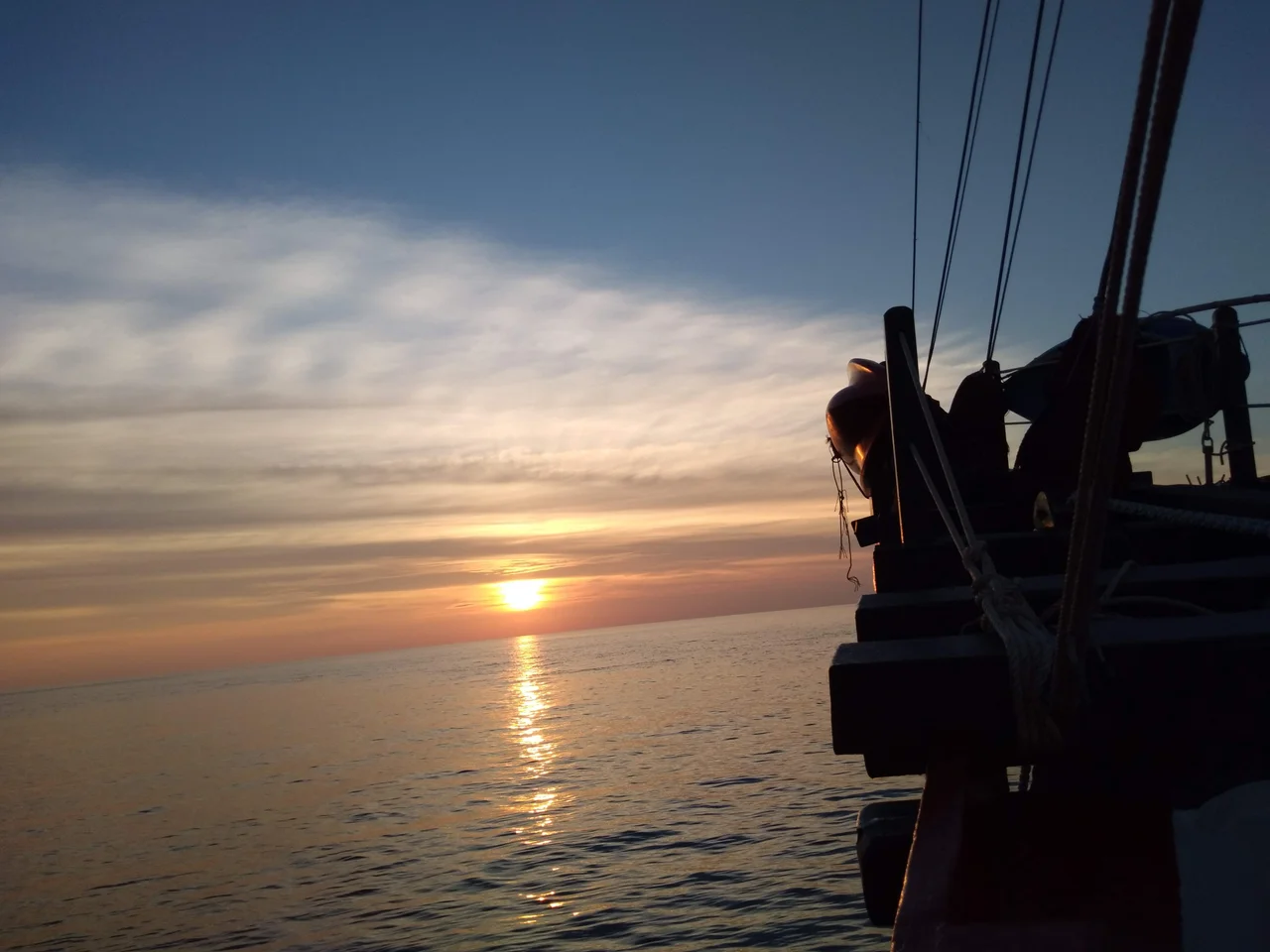
Standard dive resorts often require a fleet of high-speed boats to ferry divers from the shore to the reef and back, twice a day. This involves significant fuel consumption and repetitive stop-start engine cycles. A liveaboard, however, moves slowly to a location and stays there. By acting as a floating hotel, it eliminates the need for daily long-distance transits and the heavy infrastructure of coastal hotels, which often displace local mangroves or seagrasses.
Access to Remote, Less-Visited Sites
Liveaboards have the range to reach sites that day-trippers cannot. This ability to spread the load is vital. Instead of 50 boats visiting one ‘famous’ reef within transfer distance of a harbour, liveaboards disperse tourism pressure across reefs over hundreds of miles of coastline. This reduces the likelihood of any single site from becoming overtaxed and allows reefs time to recover between visits.
Longer Stays, Deeper Awareness
On a liveaboard, you aren’t just a guest for two tanks; you can be immersed in the environment for a week or more. This allows for a much more profound educational experience. Presentations on marine life and the local ecology are common, turning a vacation into a meaningful engagement with the natural world.
Sustainable Practices Onboard Modern Liveaboards
The internal operations of a modern vessel are a masterclass in resource management. When you are miles from land, every drop of water and every piece of trash counts.
Waste Reduction & Management at Sea
The best way to manage waste is to prevent it from coming aboard. Responsible operators work with suppliers to minimise single-use plastics and packaging before the boat even leaves the dock.
- Plastic Minimisation: Refillable water bottles and bulk dispensers for toiletries are now the industry standard, eliminating thousands of plastic bottles per year.
- Wastewater Management (Grey & Black Water): Perhaps the most critical “hidden” sustainability feature is how the boat handles sewage.
- Black Water (Sewage): Modern liveaboards utilise dedicated holding tanks and Marine Sanitation Devices (MSDs) to treat sewage. This prevents the direct discharge of untreated waste onto fragile reefs, which could otherwise lead to nutrient spikes and harmful algal blooms.
- Grey Water (Sinks & Showers): Water from showers and galleys is similarly managed, ensuring that soaps and detergents, ideally biodegradable, are filtered or discharged in deep, open water where they can be safely diluted without impacting coral health.
- Strict Protocols & MARPOL Compliance: Onboard waste is strictly separated. Following international MARPOL standards, biodegradable food waste is only disposed of far offshore in deep water, while plastics, glass, and metals are compacted and stored for proper recycling at port.
Energy & Water Efficiency
- Water Makers: Using reverse osmosis, liveaboards produce their own fresh water from the sea, reducing the need to draw from limited island freshwater sources.
- Smart Systems: Modern generators and LED lighting systems significantly reduce the carbon footprint per guest compared to even a few years ago.
Responsible Dive Operations
Small group sizes are essential. By limiting the number of divers per guide, operators ensure that everyone is monitored, preventing accidental contact with the reef. Furthermore, the use of permanent mooring buoys instead of anchors prevents devastating damage to coral heads. Everything from personal reef safe sunscreens to country-wide pledges, everyone can help operators.
The Role of Crew in Ocean Protection
The crew are the frontline defenders of the reef. Their influence on guest behaviour is perhaps the most significant factor in a trip’s overall sustainability.
Educating Divers Before and Between Dives
Briefings are no longer just about “the wall is on your left.” They are now much more likely to include detailed information on fish behaviour, the fragility of the substrate, and the specific ecological importance of a site. When a diver understands why a certain species is protected, they are far more likely to respect its space.
Enforcing Best Practices Underwater
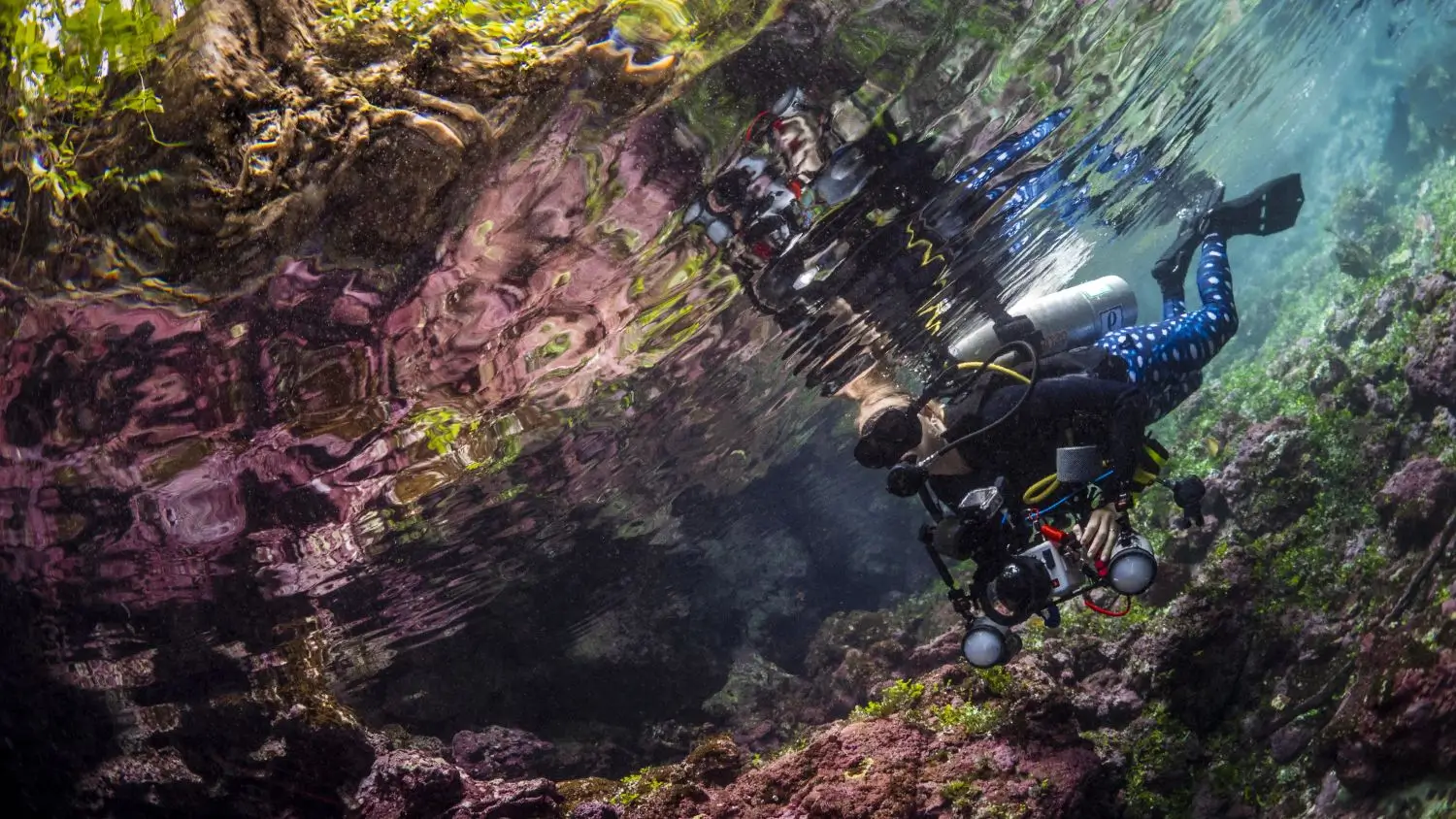
A good dive guide is a silent enforcer. They monitor buoyancy and gently correct divers who get too close to the bottom. By maintaining a strict ‘no-touch’ policy and discouraging the chasing of marine life, the crew ensures that animal behaviour remains natural and undisturbed.
Leading by Example
When guests see the crew picking up a piece of stray fishing line or drifting plastic during a dive, it reinforces a culture of care. This ‘lead by example’ approach often stays with divers long after they have returned home.
Supporting Conservation Beyond the Boat
The impact of a liveaboard trip extends far beyond the hull of the ship through financial and scientific contributions.
Marine Parks & Permit Systems
Most liveaboard destinations operate within Marine Protected Areas (MPAs) such as Komodo National Park and the Galápagos Islands. The park fees paid by every diver go directly toward patrolling these waters, preventing illegal fishing, and funding local conservation projects. In many regions, the presence of dive tourism is the primary economic reason these areas remain protected.
Partnerships & Citizen Science
Many operators partner with organisations like the Manta Trust or Mareco. Liveaboards serve as perfect research platforms, allowing scientists to reach remote areas. Divers can contribute by:
- Photo ID: Submitting photos of manta ray bellies or whale shark patterns to global databases.
- Sightings Logs: Recording the presence of rare species to help track migratory patterns and population health.
How Divers Can Make a Difference on Liveaboard Trips
Sustainability is a partnership between the operator and the guest. Here is how you can play your part:
| Action | Why it Matters |
| Choose Responsible Operators | Supports companies that invest in eco-friendly technology and fair labour. |
| Reef-Safe Sunscreen | Prevents harmful chemicals (like oxybenzone) from bleaching coral. |
| Perfect Your Buoyancy | The best way to protect the reef is to never touch it. |
| Participate in Science | Your vacation photos can provide vital data for marine researchers. |
| Minimise Packing | Less weight on the boat means less fuel consumed. |
Sustainability Without Compromising the Experience
There is a common misconception that ‘eco-friendly’ means ‘less comfortable.’ In reality, the opposite is often true. Sustainable practices often lead to a higher quality experience.
- Better Encounters: Respecting wildlife leads to longer, more intimate encounters as animals don’t feel threatened.
- Pristine Sites: By spreading out the diving pressure, you get to experience reefs that look like they haven’t seen a human in years.
- Healthier Ecosystems: A commitment to sustainability ensures that when you return in ten years, the reef is still as vibrant as you remembered it.
Master Liveaboards’ Commitment to Sustainable Diving
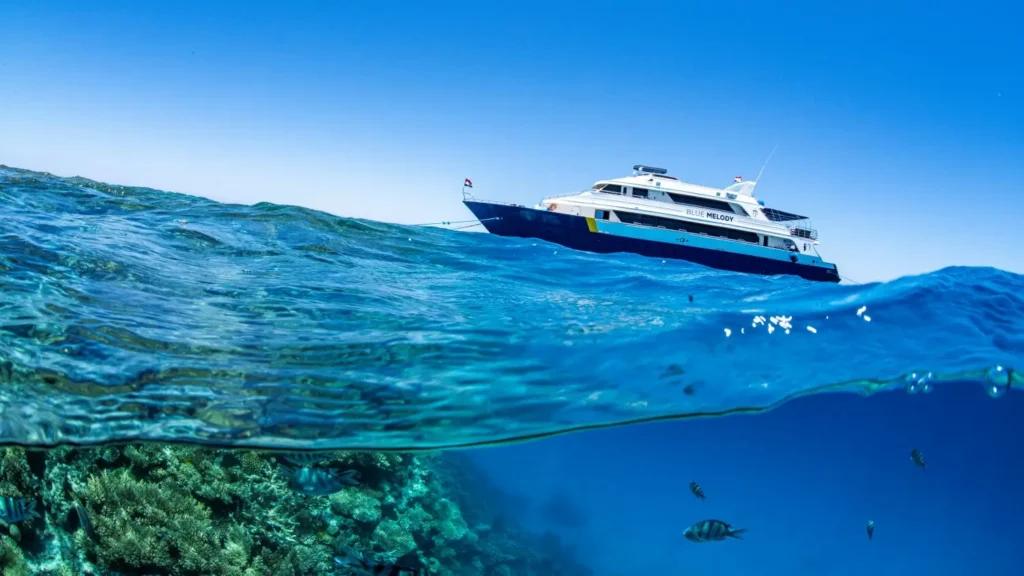
At Master Liveaboards, we view the ocean not just as our workplace, but as our home. Our commitment to sustainability is woven into our daily operations. We prioritise:
- Rigorous Crew Training: Ensuring our guides are ambassadors for the ocean.
- Operational Standards: Constantly auditing our waste and energy protocols to find efficiencies.
- Local Respect: We work closely with local communities and authorities to ensure our presence provides a net benefit to the regions we visit.
We believe that by fostering a deep respect for the ocean, we can provide world-class diving experiences that actually contribute to the health of the planet.
Frequently Asked Questions
Not necessarily. While all travel has a footprint, liveaboards reduce coastal development and can be more fuel-efficient per dive than multiple daily speedboat trips. Responsible operators use advanced waste and water management to minimise impact.
They use permanent moorings instead of anchors, visit remote sites to spread out diver impact, and employ expert guides who strictly manage diver buoyancy and behaviour.
Key measures include onboard desalination (water makers), the elimination of single-use plastics, energy-efficient generators, and strict black/grey water treatment protocols.
Absolutely. Through park fees, citizen science, and choosing eco-conscious operators, divers provide the economic and observational power needed to protect marine habitats.
Dive With Purpose
Protecting the ocean isn’t about doing less; it’s about doing it right. Every time we submerge, we have the opportunity to see the world from a different perspective and to return to the surface as better stewards of our blue planet. Join us in exploring the deep while ensuring its future remains bright.
Ready to dive with a purpose?
About the Author