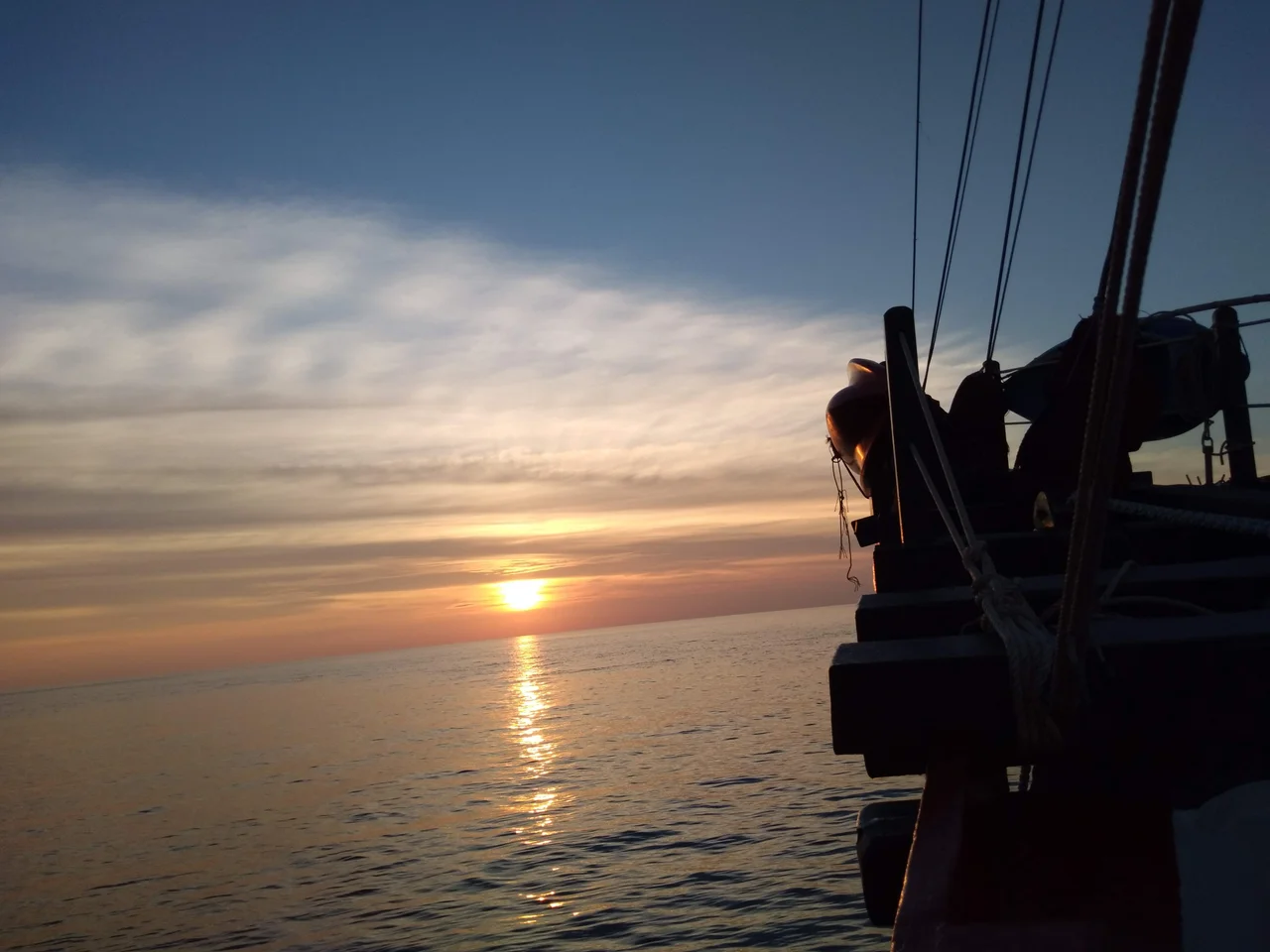

Imagine this: The sun is painting the sky in fiery orange and violet as it dips below the horizon. You’re perched on the deck of a traditional Thailand Liveaboard, and the warm tropical breeze is a gentle caress after a full day underwater. And then, the exquisite scent of a freshly prepared Thai curry, lemongrass, coconut milk, and chilli, drifts across the deck.
It sounds lovely, right?
Thailand is the ultimate entry point to the vast, vibrant, and challenging world of Southeast Asian diving. If your bucket list includes the coral castles of Raja Ampat or the ripping currents of Komodo, your journey starts here. Thailand is the perfect, introductory launchpad to both Southeast Asia and liveaboard diving.
Your Dive Launchpad
Why should a liveaboard in Thailand be your first step into diving in Southeast Asia?
- Perfect Starting Point: A balanced mix of easy and intermediate dive sites.
- Affordable & Accessible: One of the most budget-friendly liveaboard options in the world.
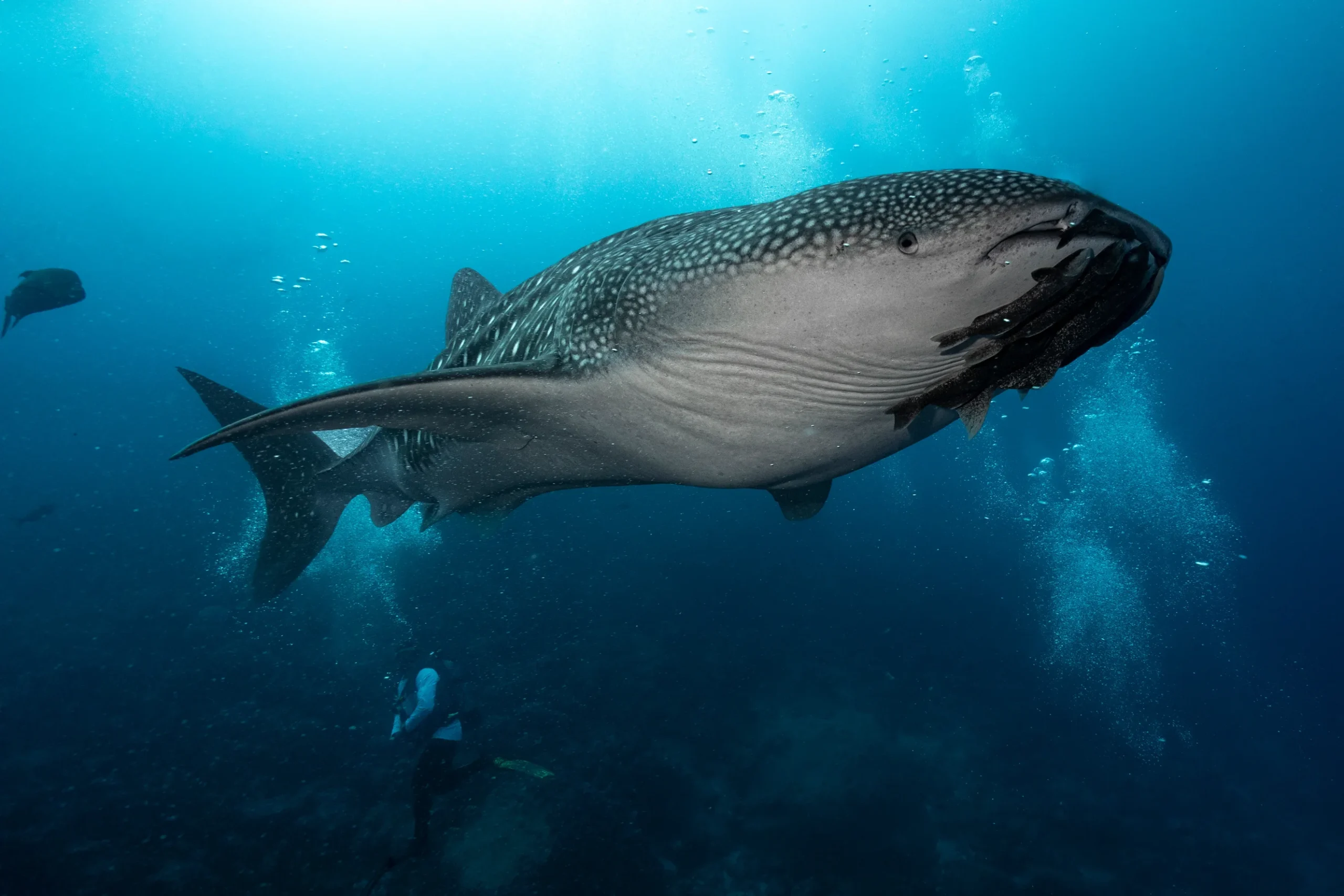
- Rich Marine Life: Home to major pelagics like whale sharks and manta rays, alongside fantastic macro life.
- Ideal Stepping Stone: Prepares you for more remote regions such as Indonesia, the Philippines, or Palau.
- Calm & Clear: Generally calm conditions and excellent visibility are ideal for mixed-experience dive groups.
- Peak Season: Diving is available year-round in Thailand, but the liveaboard season runs from November to May.
Why Thailand Is the Perfect Start to a Southeast Asian Dive Journey
Southeast Asia is a region of extremes for divers. It offers the planet’s greatest marine biodiversity. That said, destinations like Raja Ampat and Palau, or even the famous current-driven sites in the Philippines, can be logistically challenging, in remote areas, and require a high degree of comfort underwater.
Thailand gives divers a balanced, beautiful, and relatively forgiving environment in which to grow.
Building Core Confidence and Skills
Thailand’s Andaman Sea offers a gradual progression of dive sites. You’ll experience tranquil, clear-water reefs made for perfecting buoyancy and photography, alongside more exposed pinnacles like Koh Tachai and Richelieu Rock, where currents can introduce you to the thrill of drift diving and the etiquette of observing big pelagic life.
This is the perfect classroom for real-world diving:
- Managing Currents: You’ll learn to navigate mild to moderate currents safely.
- Multi-Dive Days: The ‘dive, eat, sleep, repeat’ rhythm of a liveaboard helps you get comfortable with four dives a day, every day.
- Night Dives: Daily night or sunset dives give you ample practice in the dark in a short time frame.
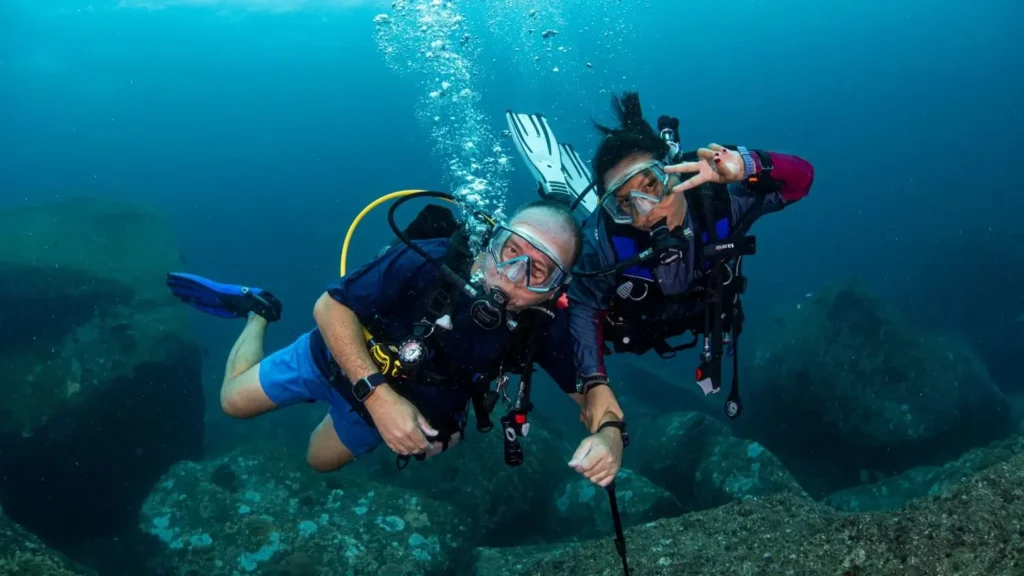
By the time you step off your liveaboard in Thailand, you’ll be a more confident, efficient, and capable diver, perfectly primed for the more ambitious journeys that await.
Accessibility and Ease of Travel
The entire travel experience in Thailand feels built for ease. The country boasts world-class tourism infrastructure, including affordable flights into hubs like Phuket, efficient ground transfers, and English-speaking, internationally certified dive teams.
Dive Tip: Use the reliable transfer routes from Phuket or Khao Lak to reach your liveaboard departure point, ensuring a seamless start and end to your trip.
Culturally, Thailand is famously known as the “Land of Smiles.” This welcoming atmosphere extends right to the dive deck, offering a relaxed and culturally rich starting point before you embark on the often more remote and advanced dive areas of the Coral Triangle.
Life Onboard a Thailand Liveaboard
The liveaboard experience is what truly separates a great dive holiday from an unforgettable one. It’s where you fully embrace the ocean’s rhythm. Onboard a liveaboard like Thailand Master, you find a perfect blend of professional diving and genuine, warm hospitality.
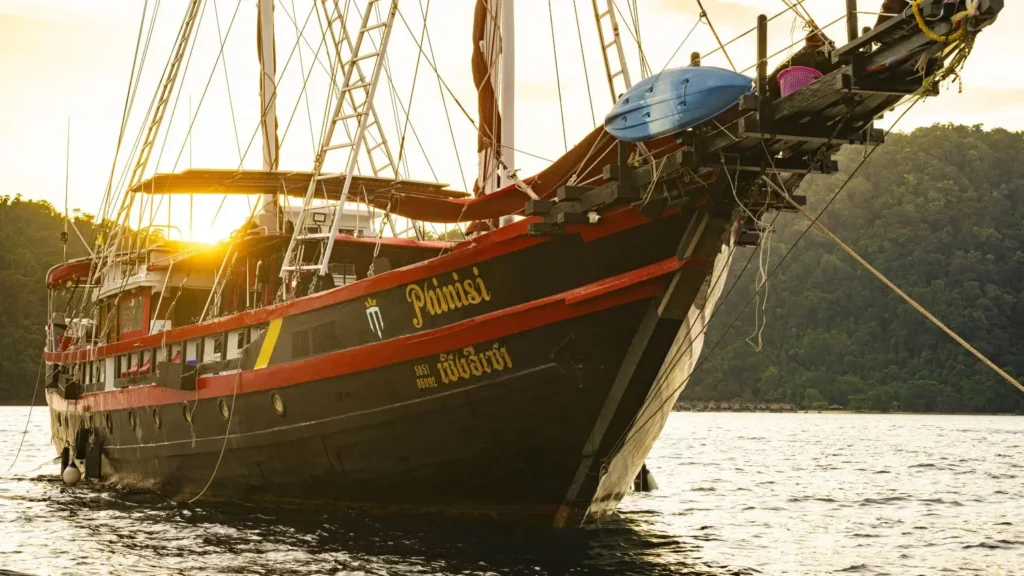
The Flow of the Dive Day
- Sunrise Dive: A pre-breakfast splash to catch predators, the vibrant soft corals, and the best light of the day.
- Dive Briefings: Clear, concise, and professional run-throughs of the site map, currents, and marine life expectations.
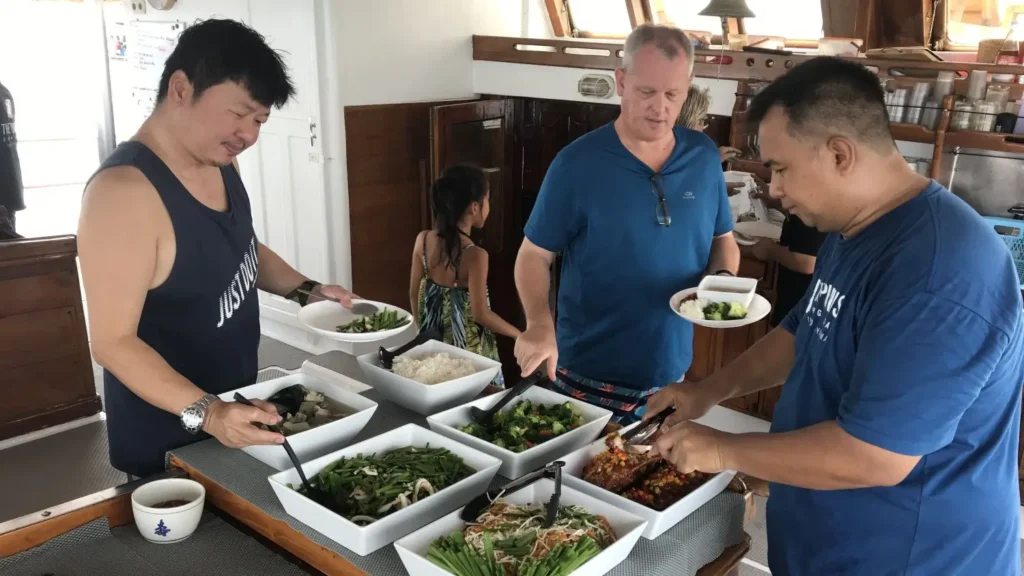
- Warm Hospitality: Meals are a highlight! Expect buffets of authentic Thai cuisine; flavourful, fresh, and perfectly fueling for a long day of diving.
The dive deck is spacious, well-organised, and built for efficiency. There are also dedicated camera stations for those looking to develop their underwater photography skills. The transition from diving to relaxing is seamless: rinse your gear, grab a snack, and watch the islands drift by.
An Accessible Liveaboard Option
One of Thailand’s major advantages is its affordability. Thailand liveaboards are often more accessible to new or budget-conscious divers compared to necessarily more expensive operations required for the logistics of remote areas like Palau or the deep stretches of Indonesia.
This means you can experience the unmatched value of a multi-day, all-inclusive dive safari without the premium price tag. You get world-class diving, excellent food, comfortable accommodations, and the full liveaboard experience, all while maintaining the budget for that next, bigger trip on the horizon.
Thailand’s Best Dive Regions: Building Skills and Confidence
The Andaman Sea is a stunning classroom for any diver looking to level up their skills before tackling the world’s most challenging reefs. Liveaboard itineraries are designed for maximum diversity, offering a taste of everything from gentle coral gardens to roaring current-swept pinnacles.
The Similan Islands: The Underwater Playground
- The east side offers gentle, sloping reefs perfect for practising buoyancy and refining navigation skills. The west side features deep, dramatic boulder formations, a great place to experience some moderate currents and practice navigating around larger structures.
- Keep an eye out for Hawksbill and Green Sea Turtles gracefully munching on corals or resting in crevices.
Koh Bon & Koh Tachai: The Pelagic Magnets
As you head north from the Similans, the environment shifts slightly, with more submerged pinnacles and ridges that are exposed to open-ocean currents.
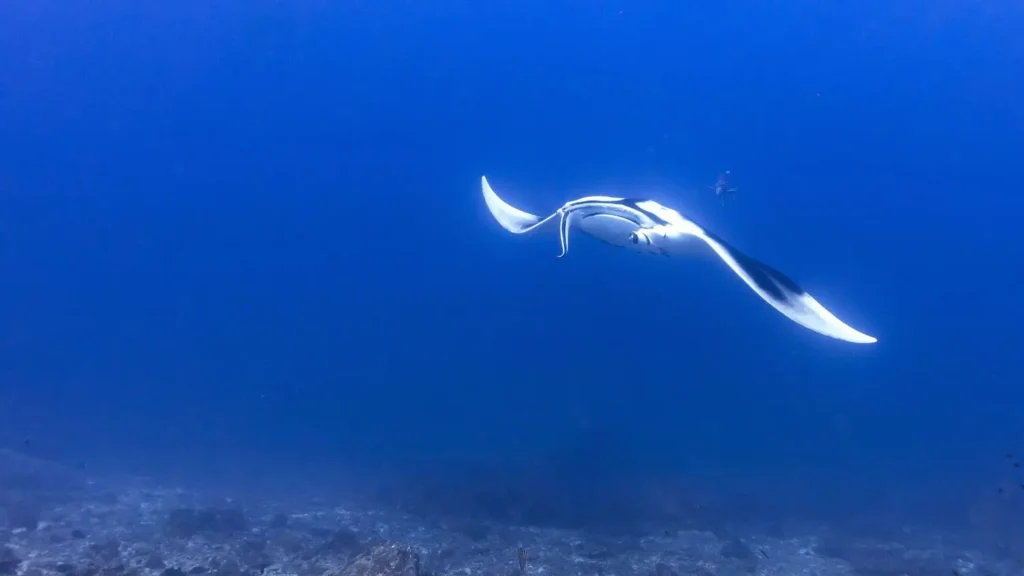
- Koh Bon: Famous for its distinctive western ridge, the most reliable spot in Thailand to encounter manta rays.
- Koh Tachai: The submerged plateau at Tachai creates a funnel for massive schools of fish. Descend quickly if there’s current, and you’ll be rewarded with silver tornadoes of barracuda and giant trevally swirling in the blue.
Richelieu Rock: The Crown Jewel
- Nutrient-rich upwellings create a world teeming with life, from the tiniest macro creatures to the largest fish in the sea.
- Currents can be strong, offering an intermediate challenge perfect for cementing your skills while staying close to the rock’s shelter.
- Richelieu is famously one of the best sites in Southeast Asia for seasonal encounters with the mighty whale shark. Even without the megafauna, the concentration of macro life, such as ornate ghost pipefish and harlequin shrimp, is simply astounding.
Hin Daeng & Hin Muang: The Southern Pinnacles
Heading south, towards Koh Lanta, you find Thailand’s deepest drop-offs and some of its most thrilling pelagic dives.
- These twin pinnacles are named for the spectacular colours of the soft coral gardens that cover them: deep crimson reds at Hin Daeng and stunning violet purples at Hin Muang.
- These sites often feature moderate to strong currents, demanding good control and confidence in drift diving.
- Along with seasonal manta rays and whale sharks, these sites are excellent for spotting leopard sharks resting on the bottom and huge schools of pelagic fish cruising the current.
Marine Life: A Southeast Asian Sampler
Thailand’s biodiversity serves as the perfect teaser for the marine life you’ll encounter on a much larger scale in the coral triangle.
The Big Stuff: Graceful Giants
While Indonesia and the Philippines get the fame, the Similan and Surin Islands offer reliable and rewarding encounters with ocean giants:
- Whale sharks and manta rays: Bucket-list stars, often seen from December to May.
- Leopard sharks: Can be seen resting peacefully on sandy bottoms.
- Turtles: Both hawksbill and green turtles are regular, familiar presences on many dives.
The Little Treasures: Macro Favourites
Look closely at the crevices and soft corals, and you’ll find a macro world that rivals any corner of the region:
- Harlequin shrimp: Search for these beautifully patterned, tiny predators.
- Ornate ghost pipefish: Masters of camouflage, often blending into crinoids and soft corals.
- Nudibranchs: A spectacular, colourful variety of these “sea slugs” can be found on every reef.
Reef Health and Abundance
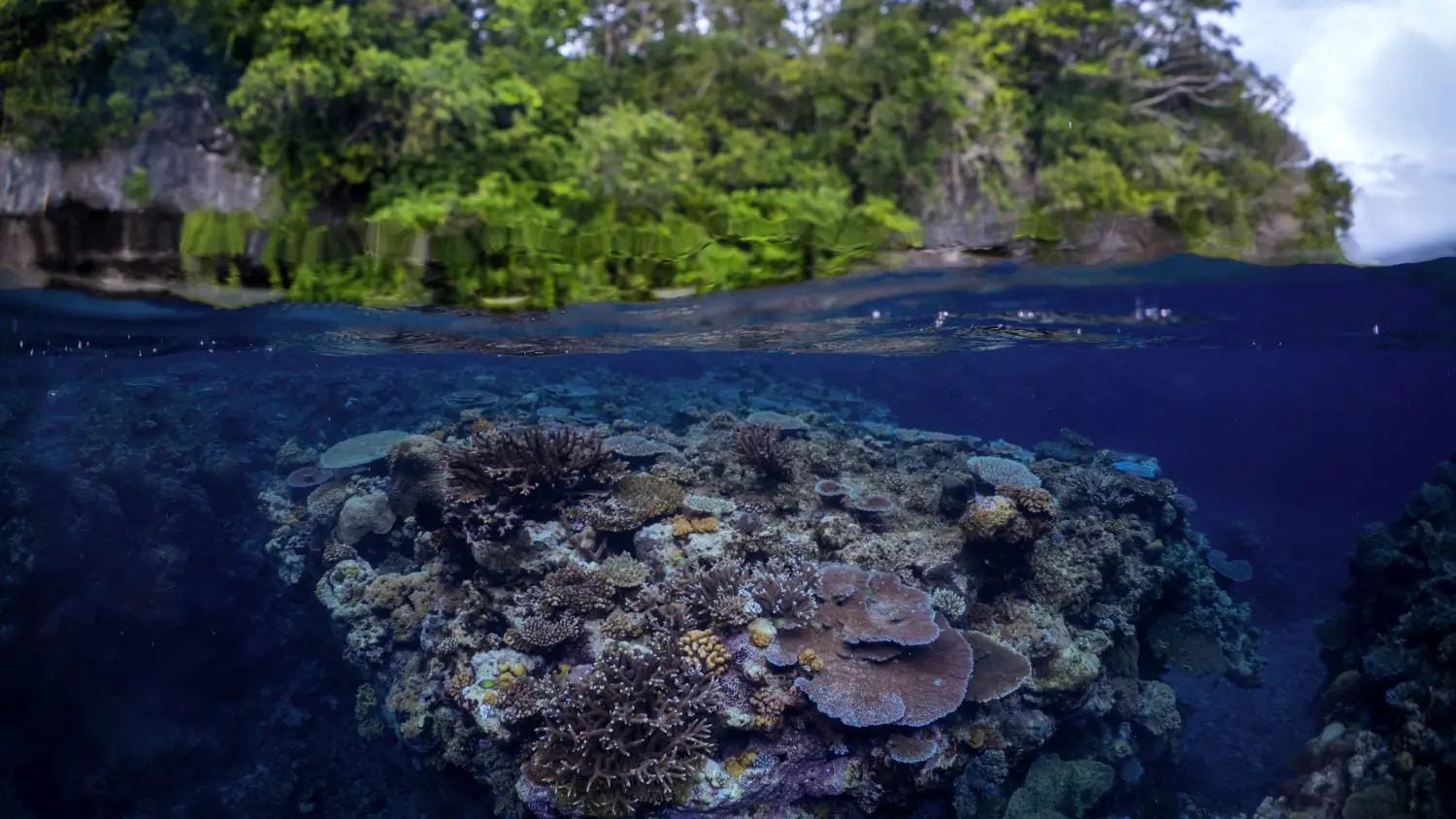
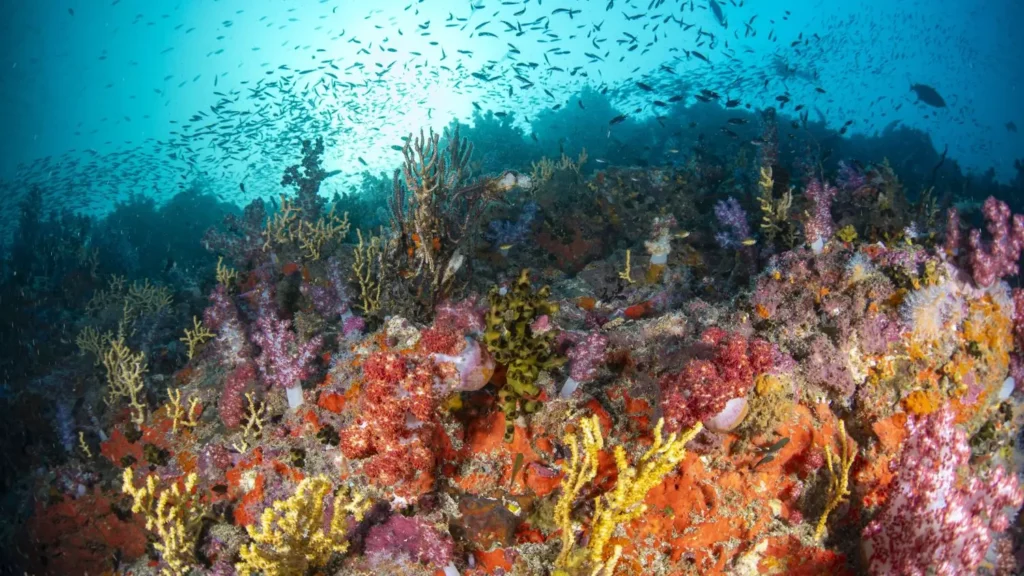
The region is characterised by healthy hard and soft coral diversity. More importantly, the sheer abundance of schooling fish is breathtaking. You’ll find yourself completely enveloped in huge, shimmering schools of barracuda, fusiliers, and trevally, offering some intense fish action.
Practical Benefits: Easy, Affordable, Accessible
- Well-Connected Airports: Excellent international flight connections into major hubs like Bangkok (BKK/DMK) and Phuket (HKT) mean minimal travel stress upon arrival.
- Lower Cost of Entry: Generally, the cost of a high-quality liveaboard experience in Thailand is significantly lower than that of equivalent trips to the more remote, logistically challenging regions like Raja Ampat or Palau.
- Beginner and Intermediate-Friendly: Dive conditions are consistently warm and often calm, making it the ideal setting to build on your Open Water certification.
- Shorter Travel Times: The sites in the Similan and Surin National Parks are relatively close together, meaning less transit time and more time in the water.
- Ideal for Groups: The accommodating environment, varied dive depths, and high-quality boats make it perfect for groups of divers with mixed experience levels.
When to Plan Your Thailand Liveaboard
Timing your trip ensures you hit the legendary Andaman Sea conditions at their best.
- Peak Season: November to April. Has the best visibility, calmest seas, and optimal weather. This is when the National Parks are open, and your chances for manta rays and whale sharks are highest.
- Green Season: May to October. The Andaman Sea National Parks are closed. Diving shifts closer inland for year-round options.
- Water Temperature: Consistently warm, hovering between 27°C and 30°C (81°F to 86°F). A 3mm suit or dive skin is usually sufficient.
- Visibility: Excellent, typically ranging from 15m to over 30m (50ft to 100ft) in peak conditions.
Why Choose a Thailand Liveaboard
A liveaboard is inherently superior for diving the Andaman Sea. It positions you to experience the best of the remote national parks on a schedule optimised for diving.
- Expert Crews with Deep Regional Knowledge: Our teams know the currents and marine life patterns of every pinnacle intimately. Their local expertise is your greatest asset in maximising sightings.
- High Safety Standards: Master Liveaboards adhere to strict international safety protocols, giving you peace of mind as you venture into deeper or current-swept waters.
- Comfortable Accommodation and Efficient Logistics: Forget the hassle of daily transfers. You sleep, eat, and dive from the same well-equipped base, boosting both rest and time underwater.
- Perfect for Building Experience: By offering multiple dives daily in a supportive environment, a liveaboard is the fastest, most effective way to gain dive experience.
Ready to Begin Your Southeast Asian Dive Journey?
If the extraordinary, kaleidoscopic underwater world of Southeast Asia is calling your name, Thailand is where the adventure begins. It offers the perfect combination of colourful reefs, gentle conditions, unforgettable bucket-list encounters, and a supportive environment to build the skills you’ll rely on for years to come.
A Thailand liveaboard is the essential, unforgettable first step towards exploring the wider region.
Frequently Asked Questions
Not at all. Thailand Master is suitable for divers with an Open Water certification, though we require at least 10 logged dives. However, getting your Advanced Open Water certification is highly recommended to get the most out of the diving.
Thailand offers incredible diversity. Expect regular sightings of smaller sharks, sea turtles, vast schools of fish (barracuda, trevally), and a great variety of macro life (seahorses, ghost pipefish, nudibranchs). From December to May, the major draw is the seasonal presence of manta rays and whale sharks.
You will generally do 3 to 4 dives per day from Thailand Master: usually two in the morning, one in the afternoon, and a sunset or a night dive. This schedule gives plenty of time in the water while still allowing for plenty of rest and good food.
Absolutely. Thailand is one of the world’s best locations for first-time liveaboard divers. The conditions are generally easy, the logistics are straightforward, and the atmosphere on board is welcoming and relaxed. The perfect introduction to the unique rhythm of liveaboard diving.
Before tackling challenging destinations like Raja Ampat, Komodo, or Palau, you should aim to have your Advanced Open Water Diver certification. Additionally, taking an Enriched Air Nitrox specialty course is highly advisable. The minimum required logged dives are also higher.
About the Author