
The Solomon Islands remain one of the Pacific’s most underrated dive destinations, a place where pristine reefs, iconic WWII wrecks, and solid pelagic action combine with minimal dive pressure. While other regional hotspots have seen a surge in tourism, the Solomons remain remote, raw, and wonderfully uncrowded.
For divers seeking a destination that feels like a genuine discovery, this archipelago offers an authentic experience that is increasingly hard to find. To truly explore these scattered island chains, a liveaboard like the Solomons Master is the definitive choice. Whether you are a history enthusiast or a lover of vibrant coral gardens, a Solomon Islands liveaboard should be your home for your next diving adventure.
Quick Summary
- A Hidden Treasure: Experience some of the Pacific’s least-crowded reefs and healthiest coral systems.
- Diverse Diving: From world-class WWII wrecks to dramatic walls, caves, and one of the world’s largest lagoons.
- Key Regions: Explore the Florida Islands, Russell Islands, and the sprawling Marovo Lagoon.
- Condition Check: Generally calm waters suitable for intermediate divers, with year-round opportunities.
- The Liveaboard Advantage: Boats provide the only practical access to remote sites across vast distances.
- Ideal For: Adventurous spirits, underwater photographers, and history buffs.
Diving the Pacific Before the Crowds Arrive
In the Solomon Islands, reefs are untouched, wrecks lie exactly where history left them, and divers often feel like they have the ocean entirely to themselves.
This isn’t just marketing copy; it is the reality of diving in a country that sees a fraction of the visitor numbers of its neighbours. To dive here is to step back in time. There are no queues for a dive site and no sharing a wreck with three other boatloads of divers. Instead, you find a sense of discovery that has largely vanished from more commercialised hubs. It is a frontier destination where the hum of the boat’s engine and the sound of your own regulator are the only interruptions to the silence of the Pacific.
Why the Solomon Islands Are Still a Hidden Gem
Remote Location, Limited Tourism
Geography has been the Solomon Islands’ greatest protector. Located east of Papua New Guinea, the archipelago is made up of nearly 1,000 islands. While this makes logistics a bit more involved than flying into a major mainland hub, it ensures that the ‘mass tourism’ footprint remains non-existent. For the diver, this translates to a pristine environment where the ecosystem functions as nature intended.
Vast, Scattered Island Chains
The sheer scale of the Solomon Islands means that even the most popular sites feel isolated. Because the dive sites are spread across thousands of miles of ocean, there is a literal lifetime of exploration available. Many reefs have never been documented, and new sites are still being added to itineraries as liveaboard crews push further into the wild corners of the Western Province.
A True Expedition Feel
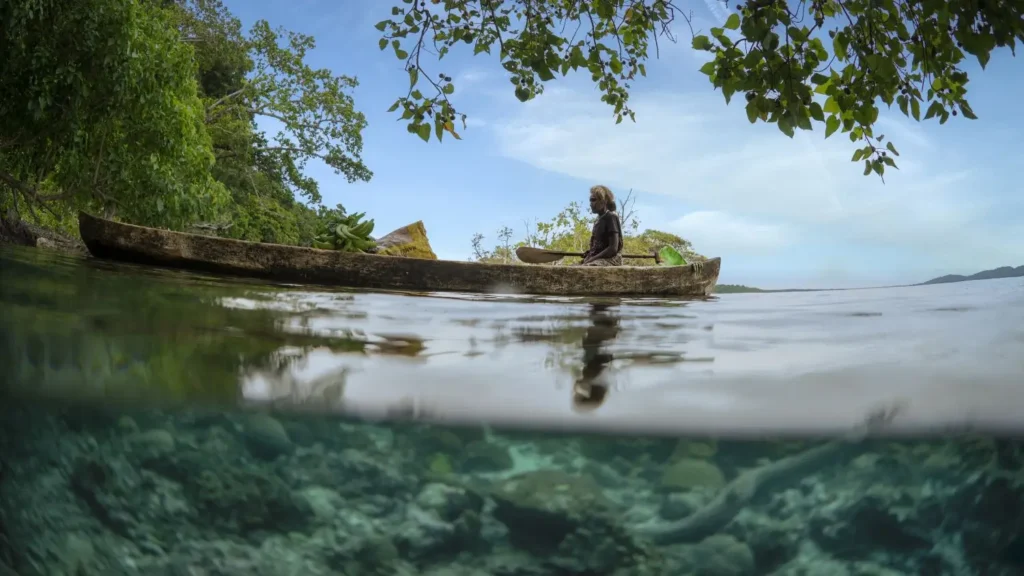
Diving here doesn’t feel like a standard vacation; it feels like an expedition. The interaction with local communities is organic; villagers often paddle out in dugout canoes to trade fresh produce with the Solomons Master. There will also be at least one visit to a village where you can meet local families and get a taste of life in the Solomon Islands. It is a raw, authentic travel experience that caters to the adventurous diver who values substance over shiny resort amenities.
What Makes Diving in the Solomon Islands Special
Pristine Coral Reefs
The health of the coral in the Solomons is often a shock to those used to seeing “tired” reefs elsewhere. Because of the low human impact and the nutrient-rich currents, the hard and soft coral growth is staggering. Sites like those found in the Best of the Solomons itinerary feature massive sea fans and plate corals that have been allowed to grow undisturbed for decades.
Big Fish & Pelagic Encounters
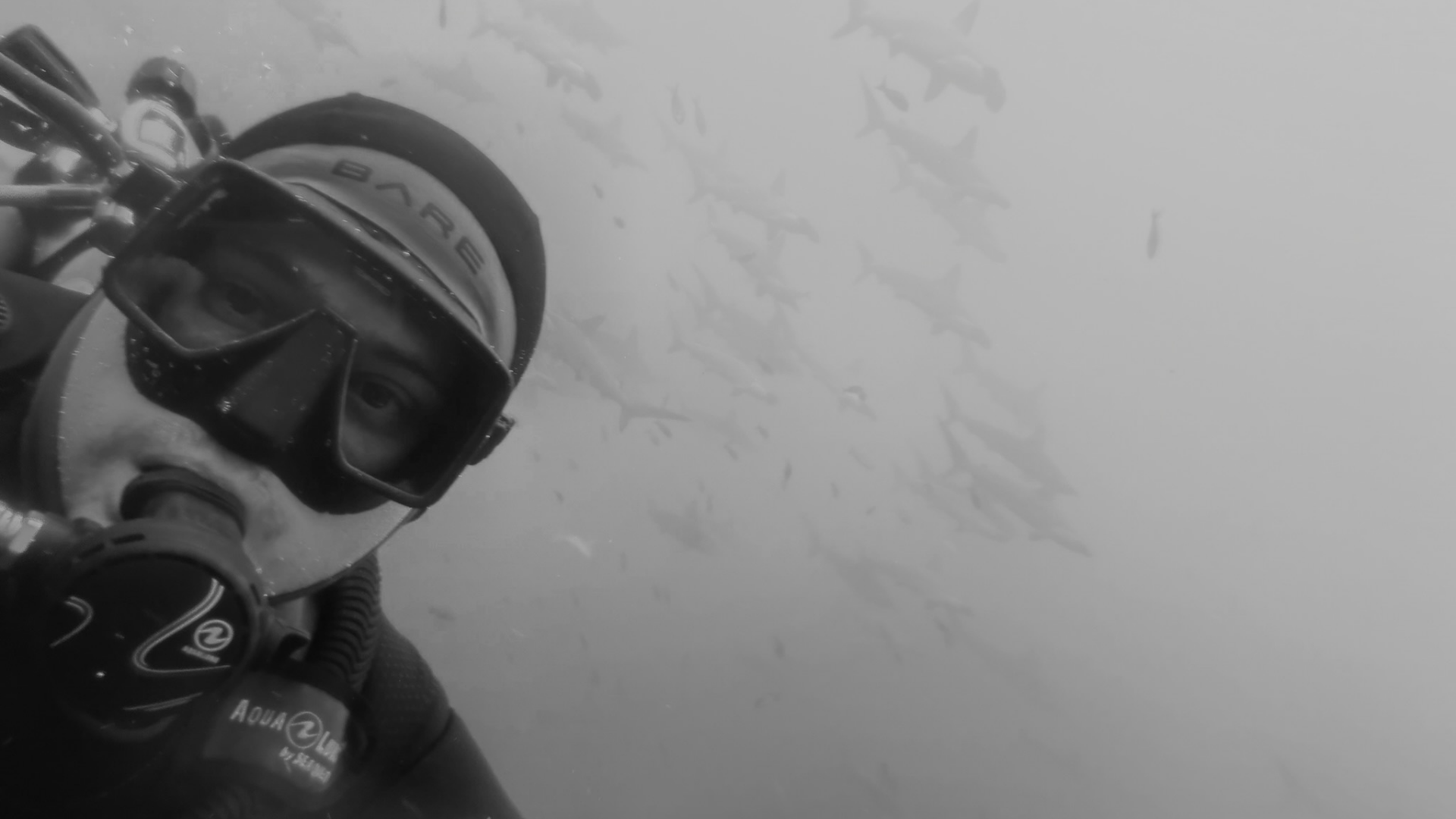
While the reefs are beautiful, the big stuff is a major draw. At Mary Island (Mborokua), the lack of fishing pressure means you are almost guaranteed to see massive schools of barracuda and jacks. Grey reef sharks and blacktips are common residents, and if you time your trip right, you might even spot hammerheads or manta rays cruising along the deeper walls.
WWII Wreck Diving
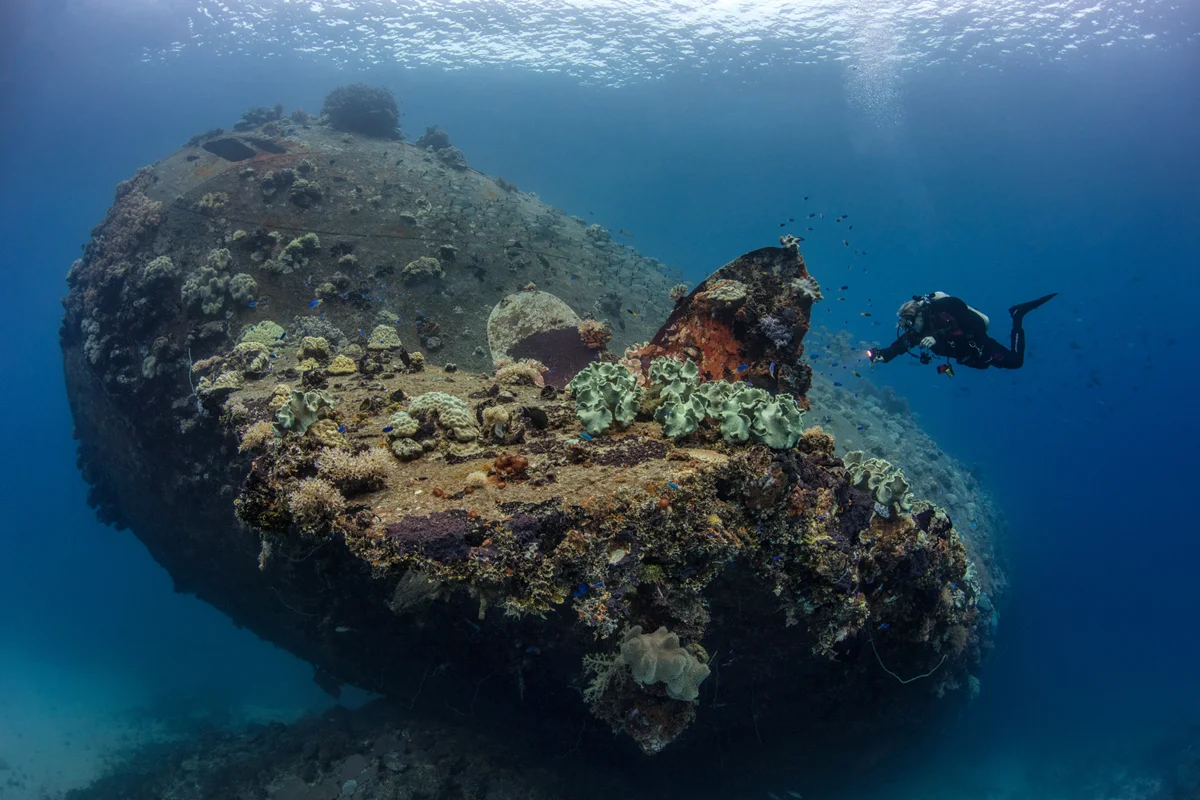
For many, the wrecks are the primary draw. The Solomon Islands were the site of some of the most intense naval and aerial combat of World War II, particularly during the Guadalcanal campaign. Unlike wrecks in other parts of the world that have been stripped or moved, these are true time capsules. You can read more about the historical significance in our Guadalcanal campaign and Solomon’s Wrecks blog.
From the iconic Kawanishi Mavis seaplane to massive cargo ships like the Hirokawa Maru (known as Bonegi I), the variety is incredible. You can even visit the only diveable New Zealand warship lost in a war, RZN Moa. Many of these wrecks lie in relatively shallow water, making them accessible to recreational divers.
Iconic Dive Regions of the Solomon Islands
Florida Islands (Nggela Islands)
Located just across from Honiara, highlights of the Florida Islands include the Twin Tunnels, a deep reef feature where two vertical lava tubes drop through the reef into a cave. The straight to the south is known as ‘Iron Bottom Sound,’ and is a graveyard for dozens of ships and planes. For a deeper dive into the specific wrecks here, check out our Iron Bottom Sound blog.
Russell Islands
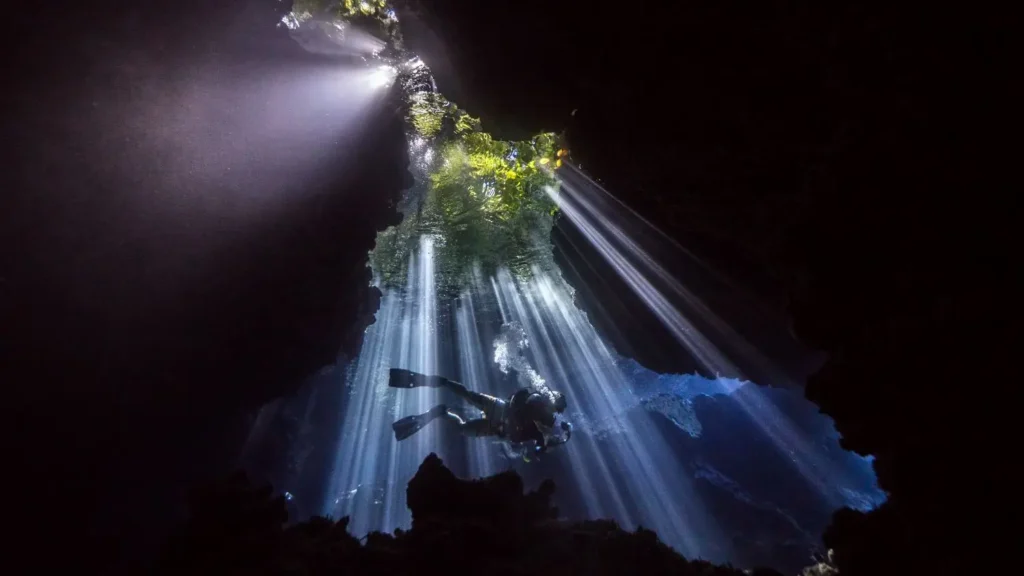
The Russell Islands offer some of the most photogenic topography in the Pacific. Leru Cut is perhaps the most famous site; a deep, narrow fissure that cuts 100 meters into the island. Divers can swim into the cut, surface, and look up at the towering jungle canopy above. Nearby, Mirror Pond offers similar dramatic views, with stunning reflections of the jungle on the water’s surface.
Marovo Lagoon
Marovo is the world’s largest saltwater, double-barrier lagoon and is often described as a divers paradise. The diving here is characterised by dramatic walls covered in gorgonian fans and incredible macro life. It is a staple of our Guadalcanal & Western Province itinerary.
Marine Life You Can Expect to See
The Solomon Islands are a high-biodiversity zone, sitting right on the edge of the Coral Triangle. This means you don’t have to choose between big fish and macro; you get both.
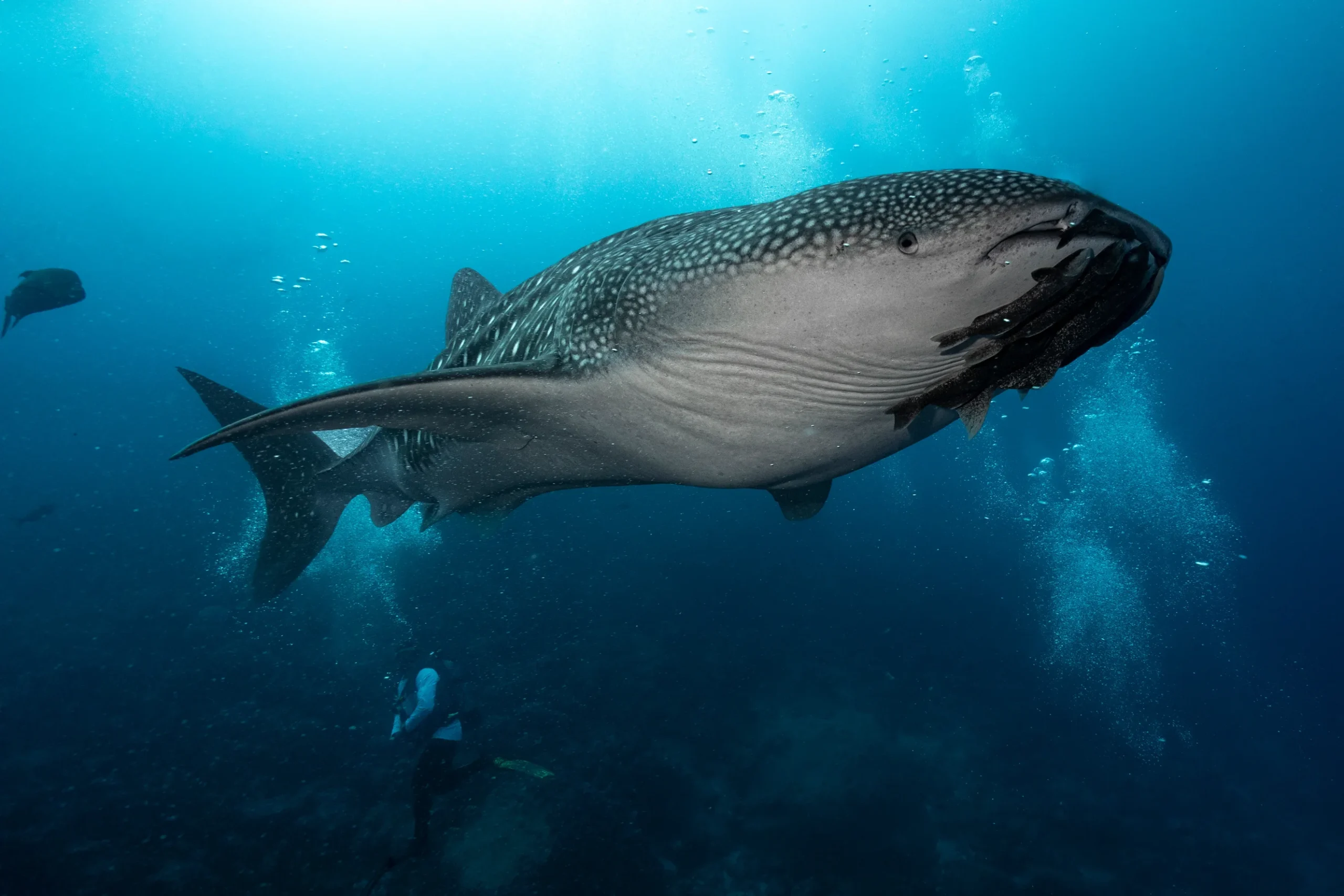
- The Big Stuff: Regular sightings include grey reef sharks, white-tip reef sharks, eagle rays, and bumphead parrotfish.
- The Schools: Massive ‘tornadoes’ of big-eye trevally and chevron barracuda.
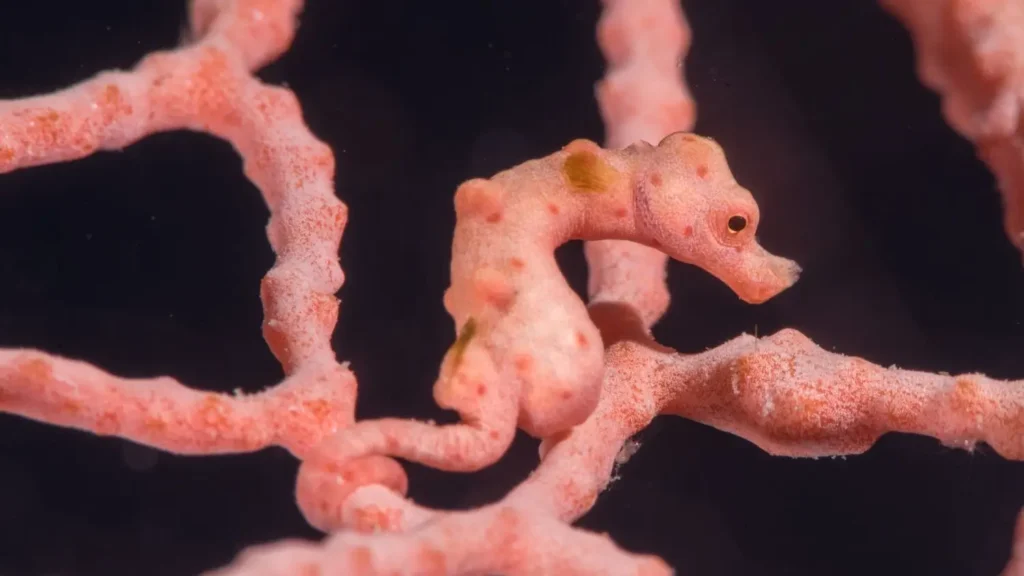
- The Macro: Pygmy seahorses, ornate ghost pipefish, and a dizzying array of nudibranchs.
- The Locals: Green and hawksbill turtles are frequent companions on almost every reef dive.
For a more detailed breakdown of specific sites, visit our Best Solomon’s Dive Sites blog.
When to Dive the Solomon Islands
Best Overall Season
The Solomon Islands are a year-round diving destination. However, the ‘peak’ months are generally considered to be April through December. During this window, the weather is typically drier, and the seas are calmer. January through March can see more rain, but since most of the diving is done from liveaboards, itineraries can be adjusted to find the best conditions.
Water Conditions & Visibility
- Temperature: Warm and consistent, usually between 28°C and 30°C (82°F–86°F). A 3mm wetsuit or even a skin is usually more than enough.
- Visibility: Often exceeds 30 meters (100 feet), particularly on the outer reefs and walls.
Currents: Can range from non-existent in the lagoons to quite strong on the points of the islands, which is exactly what brings in the pelagic life.
Why a Liveaboard Is the Best Way to Dive the Solomons
If you stay at a land-based resort (of which there are not too many!), you are limited to the sites within a 30-40 minute boat ride of your jetty. In the Solomon Islands, that means missing 90% of the magic.
- Access to Mary Island: This uninhabited island is too far for day boats but is a highlight of Florida and Russell Islands itineraries. It offers some of the best big-fish action in the country.
- Zero Logistics Stress: Moving between the Florida Islands, Russell Islands, and Western Provinces involves domestic flights or long ferry rides if done by land. On a liveaboard, you simply travel while you sleep.
- Flexibility: If the visibility is better on the south side of an island, the captain moves the boat. You aren’t stuck with the local conditions.
What It’s Like to Dive the Solomon Islands
The pace of life in the Solomons is ‘island time’, and the diving reflects that. There is no rush. Between dives, you might visit a local village to see traditional wood carvings or explore a hidden beach like the one mentioned in our White Beach blog.
The diver density is incredibly low. On many trips, the only bubbles you will see in the water are from your own group. This creates a relaxed atmosphere where photographers have the time to set up the perfect shot and nature lovers can observe animal behaviour without interruption.
Who the Solomon Islands Are Best For
While we love all divers, the Solomon Islands are particularly rewarding for:
- Intermediate to Advanced Divers: While there are shallow sites, the best walls and wrecks often require good buoyancy and comfort with occasional currents.
- History Lovers: If you’ve spent time watching WWII documentaries, seeing the WW2 Wreck Week itinerary in person is a bucket-list experience.
- Underwater Photographers: The variety of wide-angle (wrecks/walls) and macro (critters) is world-class.
- Adventure Travellers: Those who prefer a raw destination over a manicured resort environment.
Frequently Asked Questions
While beginners can dive here, the best experience is had by those with more than minimal experience. Some wrecks are deep, and the expedition nature of the trip means you’ll get the most out of it if you are comfortable in varied conditions.
Fiji is known for its soft corals, and Palau for its high-octane currents and sharks. The Solomons offer a best of both worlds mix, but with the added layer of world-class WWII history and significantly fewer divers.
Yes! The Solomons have one of the highest concentrations of accessible WWII wrecks in the world, ranging from planes and tanks to massive destroyers.
It is very remote. Once the boat leaves Honiara, you are often far from cell service and major infrastructure. This is why diving from a fully equipped liveaboard is essential for safety and comfort.
If you want to see the best sites like Mary Island, Leru Cut, and the remote parts of the Florida Islands in one trip, a liveaboard is the only practical way to do it.
Discover One of the Pacific’s Last True Secrets
The world is getting smaller, but the Solomon Islands remain a defiant pocket of the ‘old Pacific’. For divers willing to travel a little further, the Solomon Islands reward you with some of the Pacific’s most untouched underwater experiences. Whether you are swimming through a jungle-canopied crevice or hovering over a silent wartime relic, the sense of awe is constant.
Ready to explore the hidden treasure of the Pacific?
About the Author