
Liveaboard diving has undergone a massive transformation over the last decade or two. Once considered a niche solo quest or a “hardcore” getaway for groups of dedicated dive buddies, it has evolved into an adventure you can share with the people who matter most. The modern liveaboard is no longer a space where you have to choose between your passion for the ocean and quality time with loved ones. Whether it’s your partner, best friends, or diving with family, modern diving liveaboards give you the space, comfort, and flexibility to dive together without compromising the quality of your underwater experience. From the calm, crystal-clear lagoons of the Maldives to the historic wrecks of the Red Sea or the vibrant reefs of Southeast Asia, a shared trip at sea transforms diving from a personal challenge into unforgettable group memories.
Ready to Dive In?
Dive into the world of family-friendly liveaboards and discover why so many are choosing this unique way to explore the ocean as one. Find your perfect family adventure on the Master Liveaboards Fleet.
A Quick Summary
- Liveaboard diving has evolved beyond the solo-diver model, now welcoming couples, families, and multi-generational groups.
- Modern vessels offer greater comfort, safety, and flexibility without sacrificing serious diving.
- Destinations like the Maldives, Red Sea, and Southeast Asia are particularly well-suited to family-style liveaboards.
- Shared schedules, communal spaces, and expert crews make liveaboards ideal for creating lasting memories together.
- Master Liveaboards’ people-first approach ensures trips feel supportive, inclusive, and expertly managed.
From Solo Bucket Lists to Shared Memories
Not long ago, liveaboard diving was something you did alone or with your hardcore dive buddies while the family stayed at home. Today, it’s something you plan together, a shared adventure that can become a story you’ll tell for years to come.
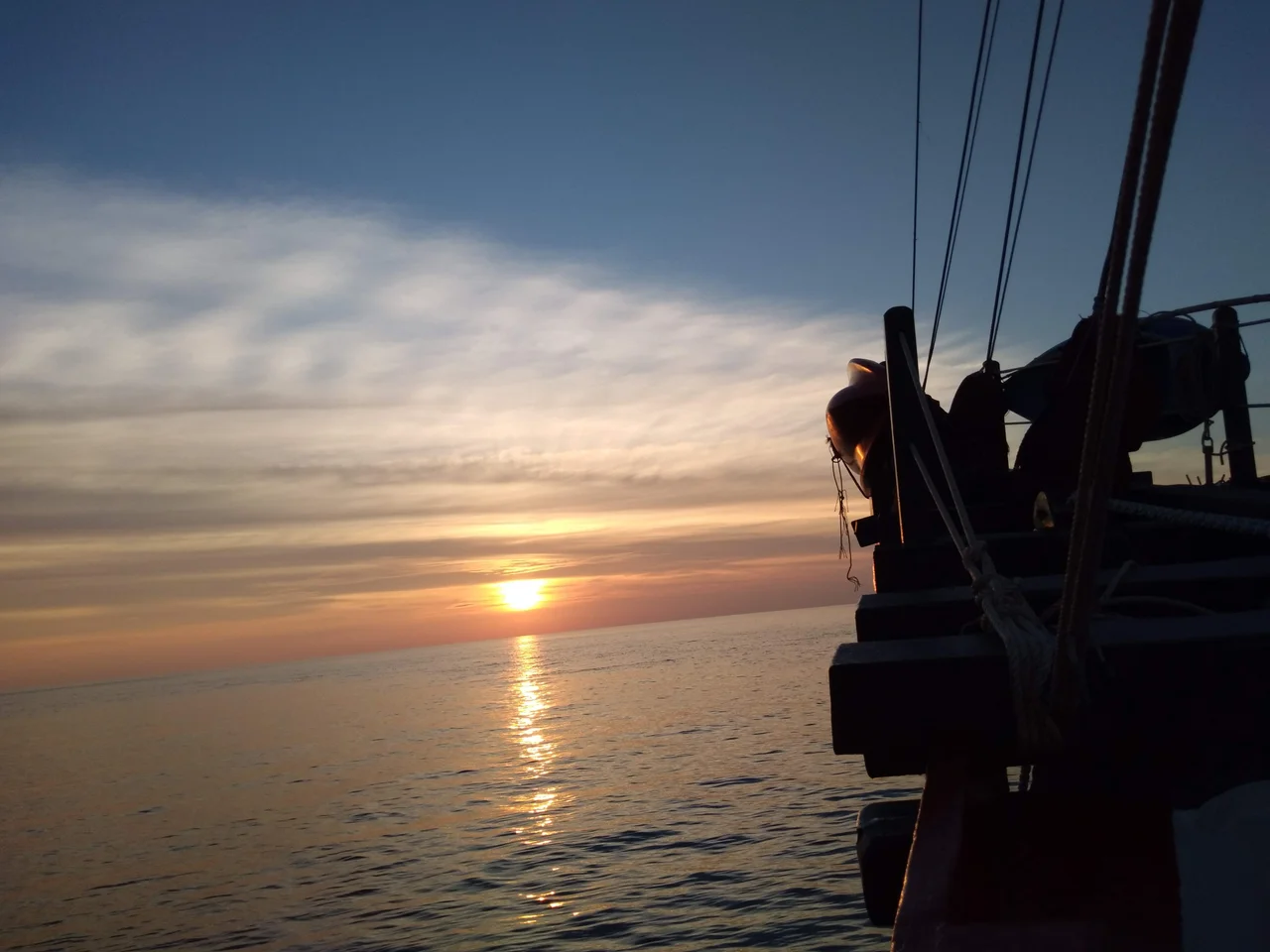
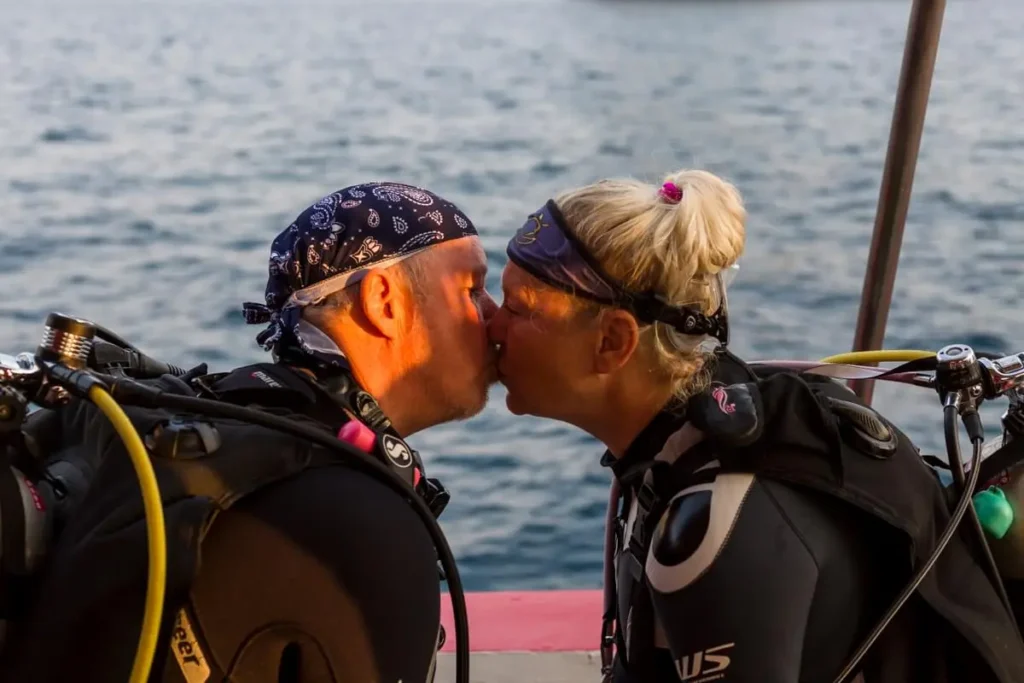
Imagine watching your partner’s eyes light up as a manta glides overhead, or swapping your own dive tales over sunset drinks with your friends. This is why couples, families, and even groups of friends are choosing liveaboards: it’s not just about ticking off dive sites. It’s about making memories together, both underwater and above deck.
The Traditional Liveaboard Myth (And Why It’s Changing)
For many years, the image of a liveaboard trip was considered a rugged adventure for hardened divers, often single travellers, focused solely on logging as many dives as possible.
Why Liveaboards Were Once Seen as Solo-Only
For decades, the liveaboard market catered to a specific demographic: the solo adventurer or the group of dedicated friends who lived for “eat, sleep, dive, repeat.”
- Advanced conditions: Currents, deep sites, and challenging dives were the norm.
- Tight schedules: Early mornings and late dives left little space for socialising or mixed-level groups.
- Limited space: Older vessels prioritised diving over comfort, making it less appealing for companions.
- Intense focus: The atmosphere was often all about the diving, not shared experiences.
What’s Changed in the Modern Era
Liveaboards have come a long way. While the “hardcore” diving trips still exist for those seeking a challenge, today there’s also a more welcoming, flexible, and inclusive model. Modern liveaboards are designed to let you, your partner, friends, or family enjoy the adventure together, no matter your experience level.
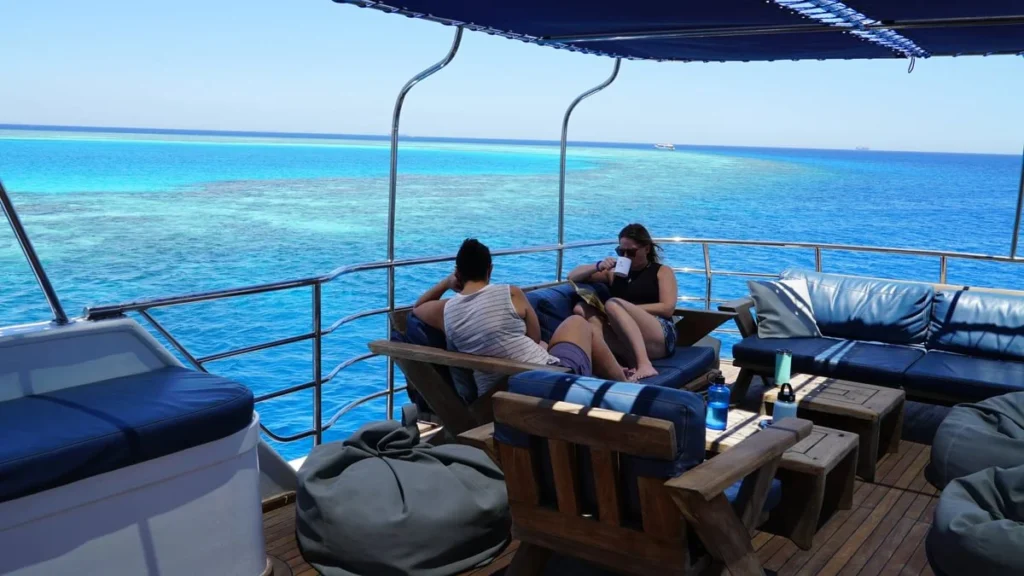
- Improved vessel design: Private cabins, spacious lounges, and sun decks let you relax together or find a quiet corner.
- Diverse itineraries: From adrenaline-pumping “big animal” dives to gentle reef exploration, there’s something for everyone.
- Higher safety standards: Expert crews, dive briefings, and surface support mean your group can explore with confidence.
Why Family Diving Liveaboards Work for You, Your Couple, Your Friends & Your Family
The evolution of liveaboards has opened the door for shared adventures, offering key elements that make them ideal for families and couples.
Comfort That Supports Longer, Shared Trips
Gone are the days of cramped bunks. The shift away from the “roughing it” mentality is most visible in the design of the vessels themselves. Modern family diving liveaboards, like those in the Master Liveaboards Fleet, are built to feel like floating boutique hotels rather than functional dive platforms. You and your partner, friends, or family can enjoy:
- Private cabins & en-suites: Everyone gets space to relax, recharge, and feel at home.
- Relaxed communal areas: Multiple lounges, dining areas, and sun decks make it easy to share meals, swap dive stories, or simply enjoy the view together.
- A “home base” at sea: You can dive hard or take it slow, but either way, the boat becomes your shared sanctuary.

Safety, Structure & Expert Supervision
For families, safety is paramount. Liveaboards provide a structured and supervised environment, allowing everyone to relax and enjoy.
- Professional Dive Guides: Experienced guides lead every dive, ensuring participants are comfortable, pointing out marine life, and managing the group underwater.
- Clear Briefings: Comprehensive briefings before each dive cover site specifics, safety protocols, and what to expect, making even new sites feel familiar.
- Surface Support: Dedicated tenders and crew members are always on standby to provide surface support, enhancing safety and convenience.
- Medical Preparedness: Crews are trained in first aid, and vessels carry emergency oxygen and have clear protocols for any medical situation.
Flexible Dive Participation
Modern liveaboards operate on the understanding that not everyone in a family may want to do every single dive, or even dive at all. One of the biggest hurdles for families was the rigid “four dives a day” schedule. Modern trips offer:
- Optional Dives: While diving is the main focus, participation is typically optional. Family members can choose to skip a dive and relax on board, read, or simply enjoy the scenery. If your teenager wants to sleep in or your partner wants to enjoy the sun deck, there’s no pressure.
- Snorkelling Alternatives: For non-divers, many sites offer fantastic snorkelling opportunities, allowing them to experience the underwater world alongside their diving family.
- Surface Activities for Non-Divers: Some itineraries include opportunities for island visits, kayaking, or simply sunbathing on deck, while others are diving.
What “Family-Friendly” Really Means
When you hear “family-friendly,” you might picture kids’ clubs, water slides, or a ship full of entertainment staff. A liveaboard is very different. Here, the entertainment is the ocean itself, and the focus is on shared experiences and a love for the sea.
Liveaboards are designed for adult families, couples, mature teens, and groups of friends who enjoy exploring together. Most standard departures welcome guests aged 16 and over, while teens between 16 and 18 must be accompanied by a parent or guardian responsible for their supervision, both on deck and underwater.
The communal environment fosters respect, camaraderie, and shared stories, whether you’re swapping dive tales at dinner or watching the sunset from the deck.
For groups travelling with younger ocean explorers, Master Liveaboards offers dedicated Family Diving Trips. These itineraries welcome children of all ages and adjust the pace and activities to accommodate a more youthful energy. While children under 16 can join full charter groups by prior arrangement, the nature of life at sea usually suits older children and teens who can navigate the boat safely and participate in dive activities responsibly.
At the heart of a family-friendly liveaboard is shared passion and mutual respect. Whether it’s a teenager spotting a manta ray for the first time, a grandparent pointing out reef fish, or friends taking a night dive together, these trips are about learning, diving, and making memories as a group, no matter the generation. To better understand what a liveaboard experience involves and how to prepare, check out this comprehensive liveaboard diving guide.
Destinations That Work Best for Family Liveaboards
Certain destinations naturally lend themselves to family-friendly liveaboard experiences due to their calm conditions, diverse marine life, and accessible logistics.
The Maldives: Calm, Predictable & Beautiful
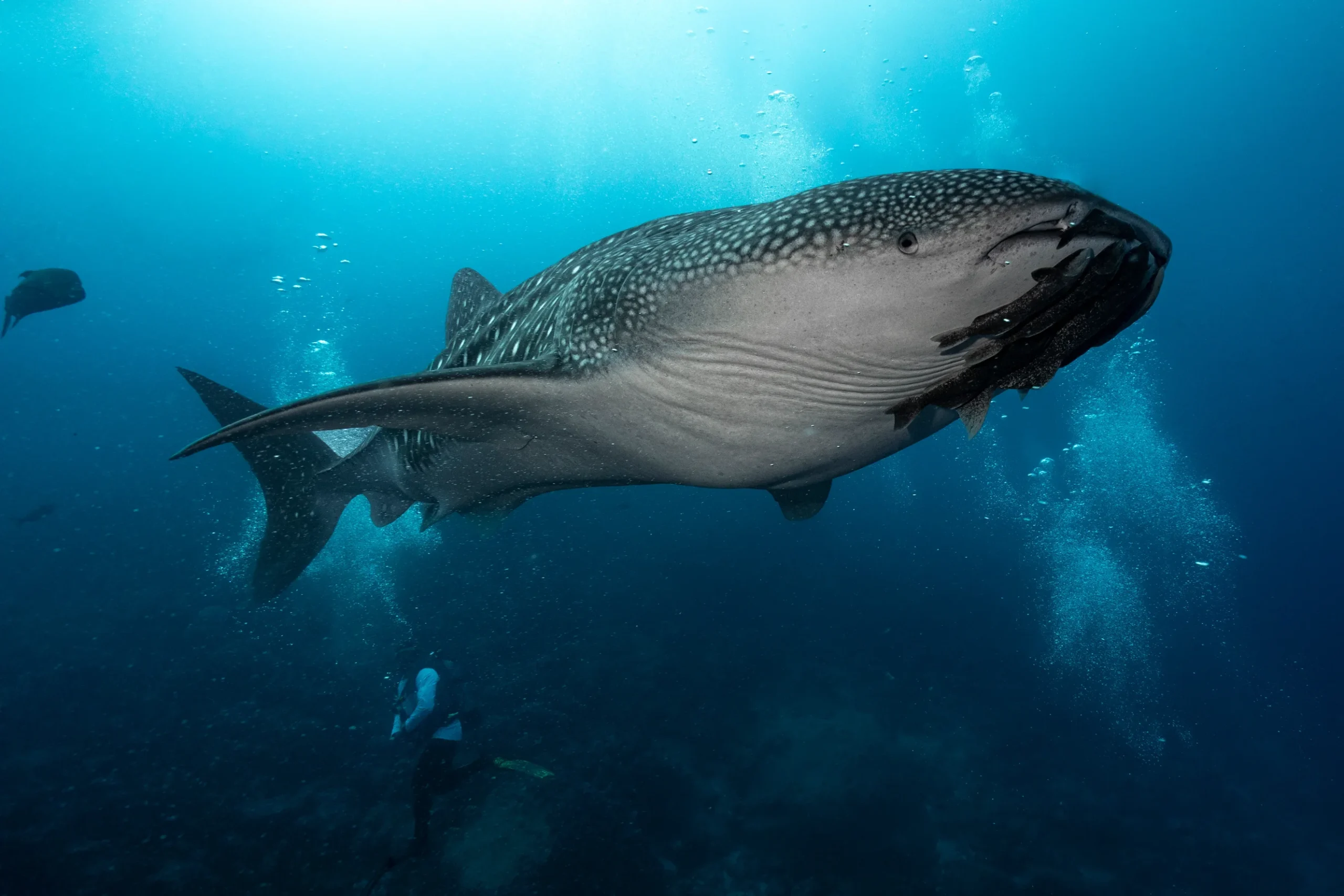
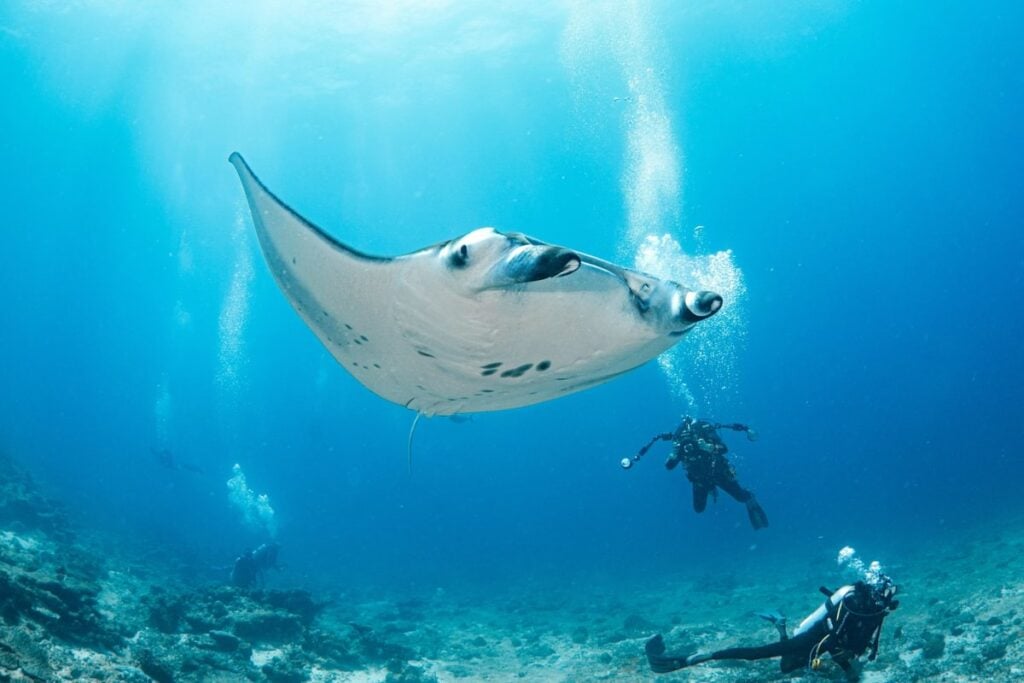
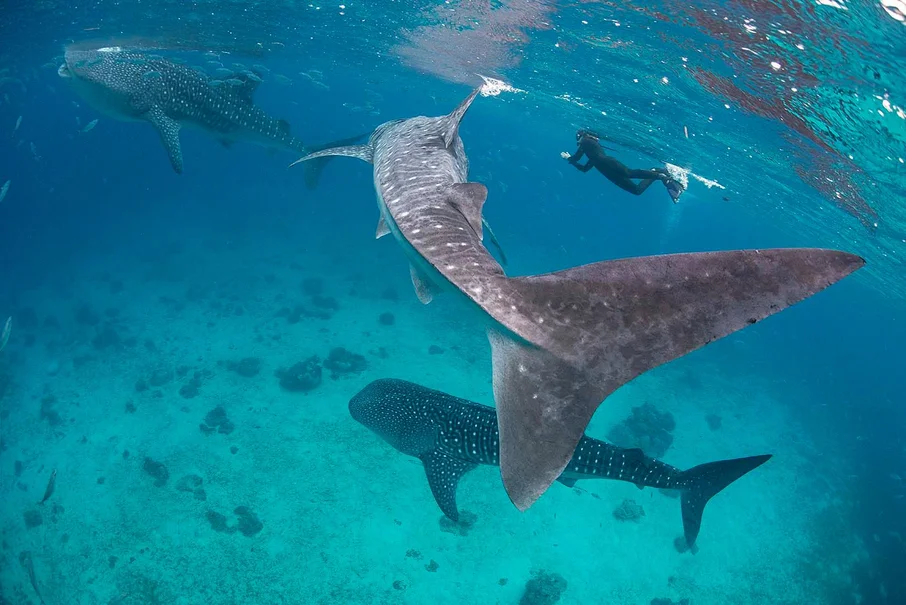
The Maldives is the gold standard for shared trips. The water is warm, the conditions are often predictable, and the “big ticket” items, such as whale sharks and mantas, are commonly found in relatively shallow water.
- Gentle Conditions: Typically calm waters, especially on Central itineraries, minimal currents at many dive sites, and excellent visibility make for relaxed and enjoyable diving and snorkelling.
- Big Animals + Relaxed Pace: Encounter manta rays, whale sharks, and a kaleidoscope of reef fish without strenuous diving. The pace often allows for plenty of surface interval relaxation and island visits.
Red Sea: Accessible Adventure
For families in Europe or the Middle East, the Red Sea offers incredibly easy logistics. The visibility is world-class, making it easy for family members to keep an eye on each other underwater.
- Easy Logistics: With many direct flights and short transfers to ports like Hurghada or Sharm El Sheikh, getting your family to the boat is relatively stress-free.
- Great Visibility: Crystal-clear water (often 30m+) makes it easy for buddies to keep track of one another and for photographers to capture those family shots.
- Variety of Dive Styles: From shallow, sun-drenched reefs to world-famous wrecks like the Thistlegorm, there is something to keep every generation engaged.

Southeast Asia: Biodiversity & Comfort
In the Philippines, Thailand and Indonesia, the crew-to-guest ratios are exceptional. This means more “eyes on deck” and personalised support for younger divers or those who haven’t been in the water for a while.
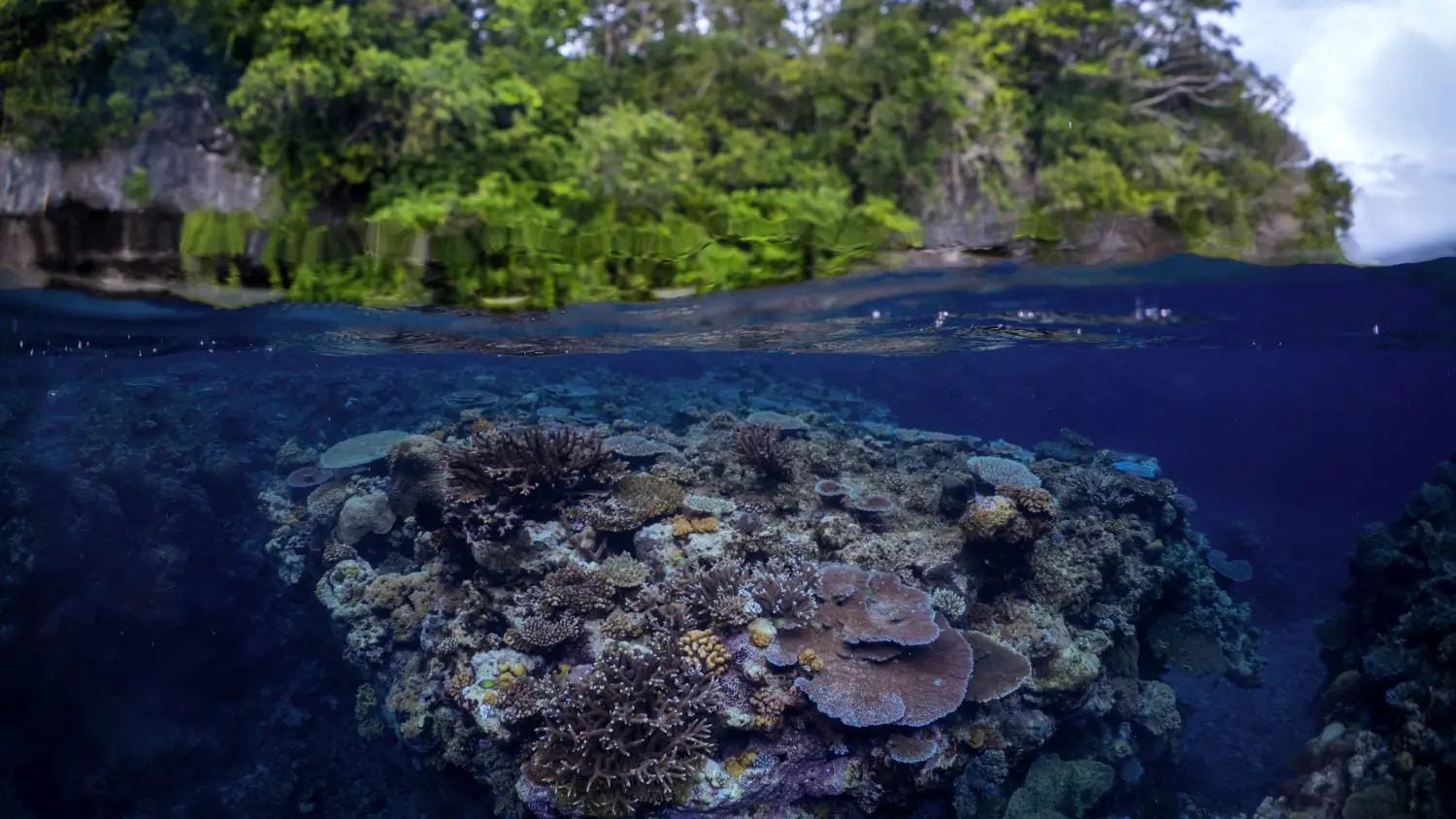
- Indonesia & Philippines: Whether it’s the macro wonders of the Visayas or the dramatic landscapes of Komodo, these regions offer unparalleled variety.
- Excellent Crew-to-Guest Ratios: Vessels in this region are known for their high number of staff, meaning there is always someone to help a teenager with their gear or assist a grandparent onto the tender.
How Crew & Community Shape the Family Experience
At Master Liveaboards, we believe the crew is the heartbeat of the vessel. This is where the transition from “hardcore dive trip” to “shared family adventure” truly happens.
Crew Who Read the Room
Our crews are trained to be intuitive. They understand that a family might need a later start one morning, or that a nervous teenager needs an extra bit of encouragement before a night dive. By adjusting the pace and supporting mixed experience levels, they ensure no one feels left behind.
Shared Tables, Shared Stories
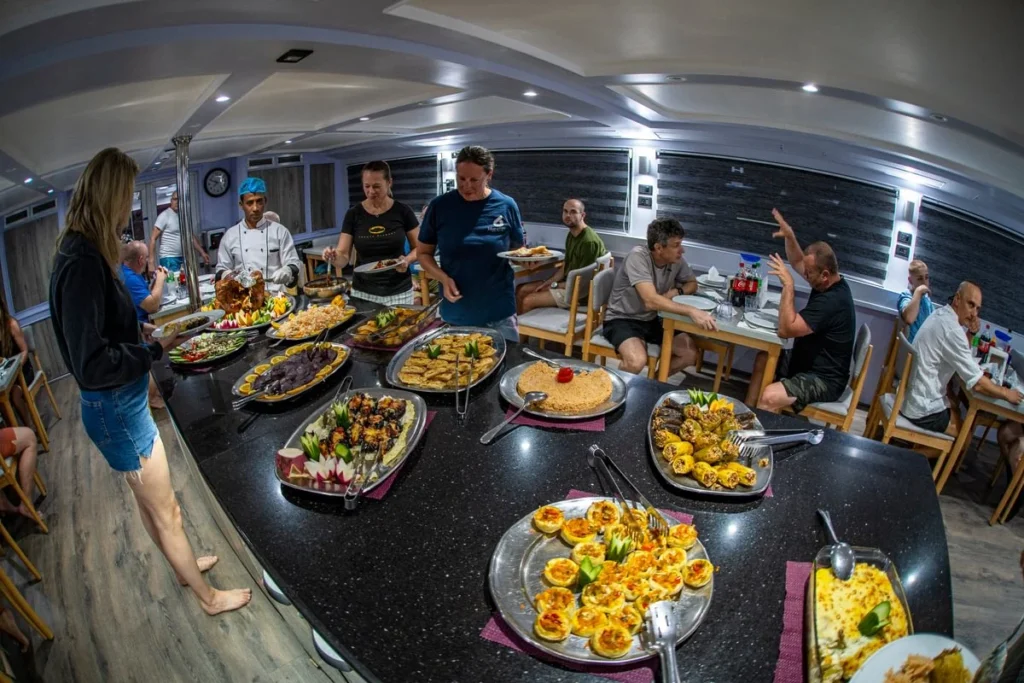
There is a unique magic in communal meals. Sitting around a large table, sharing a fresh meal while debriefing the day’s sightings, fosters a cross-generational camaraderie that you simply don’t get at a resort.
Learning Together, Diving Together
Many families use liveaboards as a way to level up. Whether it’s a father and daughter taking an Advanced Open Water course together or a couple learning Nitrox, building skills as a team creates a deeper bond and builds confidence for future trips.
Is Liveaboard Diving Right for Your Family?
While we love welcoming families, we also want to ensure you have the best possible time. Certain destinations are ideal for family diving liveaboards, offering calm waters, abundant marine life, and accessible logistics for mixed groups. To manage expectations, we suggest a few “readiness” checks.
Top Tips for Planning Your Family Diving Liveaboards Adventure
Minimum Age & Policy Requirements
It is essential to check the specific policy for your chosen departure.
- Standard Trips: Master Liveaboards generally requires guests to be 16 or older.
- Supervision: Divers under the age of 18 must have a parent or guardian on board who is responsible for their supervision at all times, including while underwater.
- Younger Explorers: While children under 16 can join full charter groups by prior agreement, we suggest a minimum age of 12 due to the environment. For children of all ages, keep an eye out for dedicated Liveaboard diving for families trips.
Certification & Skill Levels
Ensure everyone’s certification matches the itinerary. While “North” Red Sea routes or certain Maldivian atolls are fantastic for those building experience, “Deep South” or high-current routes will require an Advanced Open Water certification and a minimum number of logged dives.
Comfort with the Marine Environment
A liveaboard is an immersive experience. Consider if every family member is comfortable with:
- Being at Sea: If someone is highly prone to motion sickness, consider more stable, larger vessels or destinations with calmer, protected waters.
- The “Boat” Lifestyle: Life on a boat is intimate. It’s perfect for bonding, but everyone should be comfortable with the communal nature of the trip.
Physical Demands vs. Relaxation
Diving up to four times a day is exhilarating but can be tiring. The beauty of the modern liveaboard is that it is no longer a mandatory hardcore marathon. It is perfectly okay to skip the dawn dive for a slow breakfast on the sun deck or swap a night dive for a family board game in the lounge. Listening to your body ensures the trip remains a holiday, not a chore.
Why Families Are Choosing Liveaboards Over Resorts
Here’s a quick look at how liveaboards give your group, family, friends, or couples a more immersive and shared experience compared with a traditional resort.
| Feature | Liveaboard Adventure | Traditional Resort |
| Dive Time | Up to 4 dives a day, right off the deck. | Travel time to/from shops and sites. |
| Logistics | Unpack once; the “hotel” moves with you. | Daily transit with gear and bags. |
| Togetherness | Immersive, focused quality time. | Family members often drift to different areas. |
| Marine Life | Access to remote, pristine sites. | Often limited to local, high-traffic reefs. |
How Master Liveaboards Supports Shared Dive Adventures
We have moved away from the “one-size-fits-all” approach to diving. Purpose-built vessels feature layouts designed for social interaction and private retreat. Our experienced, people-first crews and our purpose-built vessels make family diving liveaboards feel welcoming, inclusive, and expertly managed for all skill levels.The crew aren’t just dive guides; they are hosts who ensure your family feels at home. From clear communication before you even leave home to flexible itineraries suited to mixed groups, we make the “solo quest” a thing of the past.
Turn Dive Trips Into Shared Memories
Some adventures are better shared. Modern family diving liveaboards let you create lasting memories with your loved ones, from the first dive to the last sunset. Whether it’s your first time or your fiftieth, the ocean has a way of bringing people closer. Ready to plan your family’s next great story?
FAQs
Yes, on dedicated family departures or by prior arrangement, as long as they meet minimum requirements.
Absolutely. Snorkelling, island visits, and sunbathing provide fun for everyone.
Standard trips welcome everyone 16 years of age and up, with family trips accepting younger teens.
Maldives, the Red Sea, and Southeast Asia (Indonesia, Philippines and Thailand) offer gentle conditions and supportive crews.
Very. Crews are trained, vessels equipped, and dive operations strictly regulated.
About the Author