
Why Palau is the Heart of Pacific Diving
Palau sits at a unique geographical and biological junction where the Philippine Sea meets the Pacific Ocean. This “crossroad” isn’t just a poetic name; it is a physical reality where powerful nutrient-rich currents and pristine coral reefs, as well as dramatic WWII history, collide. Liveaboard diving in Palau provides a rare opportunity to see everything in a single trip: schooling sharks, manta rays, high-speed drift dives, and wrecks with a past.
Whether you are hooked in at Blue Corner or drifting through the corals of Ulong Channel, Palau offers an intensity and variety rarely matched elsewhere. To truly experience the breadth of this archipelago, from the southern reefs of Peleliu to the sheltered lagoons of the Rock Islands, Palau Siren liveaboard is the definitive choice. It provides the mobility and comfort needed to reach the best sites at the perfect tidal moments.
A Quick Summary
- Ultimate Diversity: A mix of pelagics, macro life, WWII history, and lush coral gardens.
- Iconic Sites: World-famous dives like Blue Corner and German Channel.
- Current-Driven: Strong currents attract sharks and mantas but require some experience.
- Liveaboard Advantage: Maximises dive time, especially when diving areas like Peleliu.
- Best For: Intermediate to advanced divers who love variety and action.
Where Ocean Currents Shape a Diver’s Dream
Imagine yourself looking over a sheer vertical drop-off. You reach for your reef hook, secure it to a rock, and inflate your BCD slightly. As the line goes taut and current tugs at your gear, you relax and look out into the blue. Dozens of grey reef sharks cruise effortlessly past, barely flicking their tails, while a school of thousands of barracuda forms a vortex above you.
This isn’t a lucky day in Palau; it’s…well, it’s just another Tuesday.
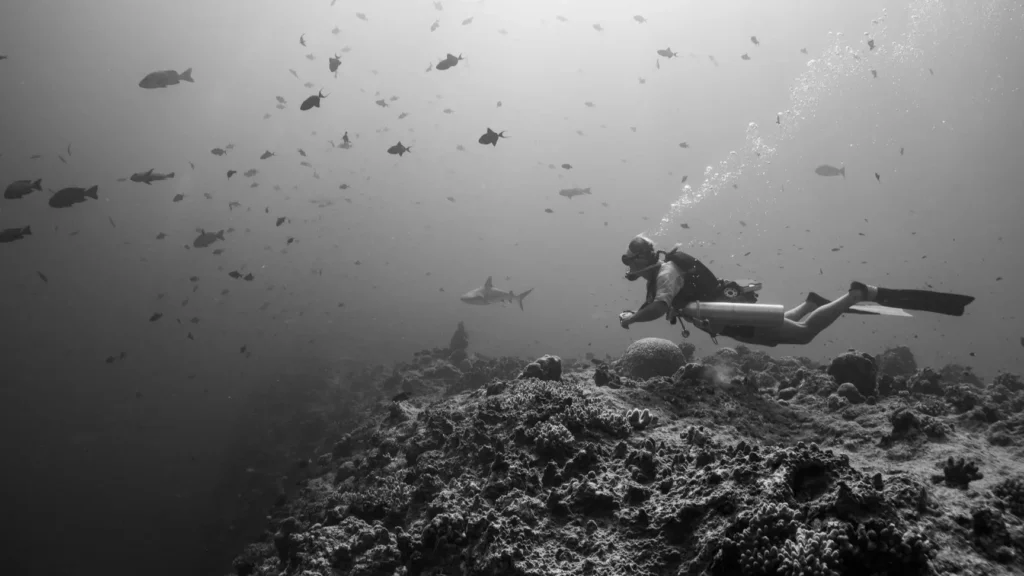
Palau can be raw, untamed, and visceral. It is a destination that demands some concentration, but rewards it with some of the most consistent big-animal encounters on the planet. It isn’t just about the adrenaline, though. Between the surprisingly fast drifts, there are quiet moments in turquoise lagoons, close encounters with mating mandarin fish, and the sombre silence of exploring sunken history from a past era.
Why Palau Is Called the Crossroads of the Pacific
A Meeting Point of Powerful Ocean Currents
Palau’s position at the edge of the Micronesian trench means it is constantly washed by the North Equatorial Current. When this massive body of water hits the archipelago’s steep walls, it upwells, bringing nutrient-dense water from the deep, before slowly turning and heading north to Japan. This is the lifeblood of marine life in Palau. The constant movement acts as a conveyor belt for food, supporting everything from microscopic plankton to the ocean’s apex predators.
Biodiversity on an Epic Scale
Because it sits at this biological intersection, Palau boasts over 1,500 species of fish and 700 species of coral. On a typical dive, you might find yourself filming a hawksbill turtle munching on a sponge, only to have to pivot your camera 180 degrees because a giant manta ray has decided to hover overhead. It is one of the few places where macro enthusiasts and wide-angle photographers can be equally satisfied on the very same dive.
Protected Waters, Pristine Reefs
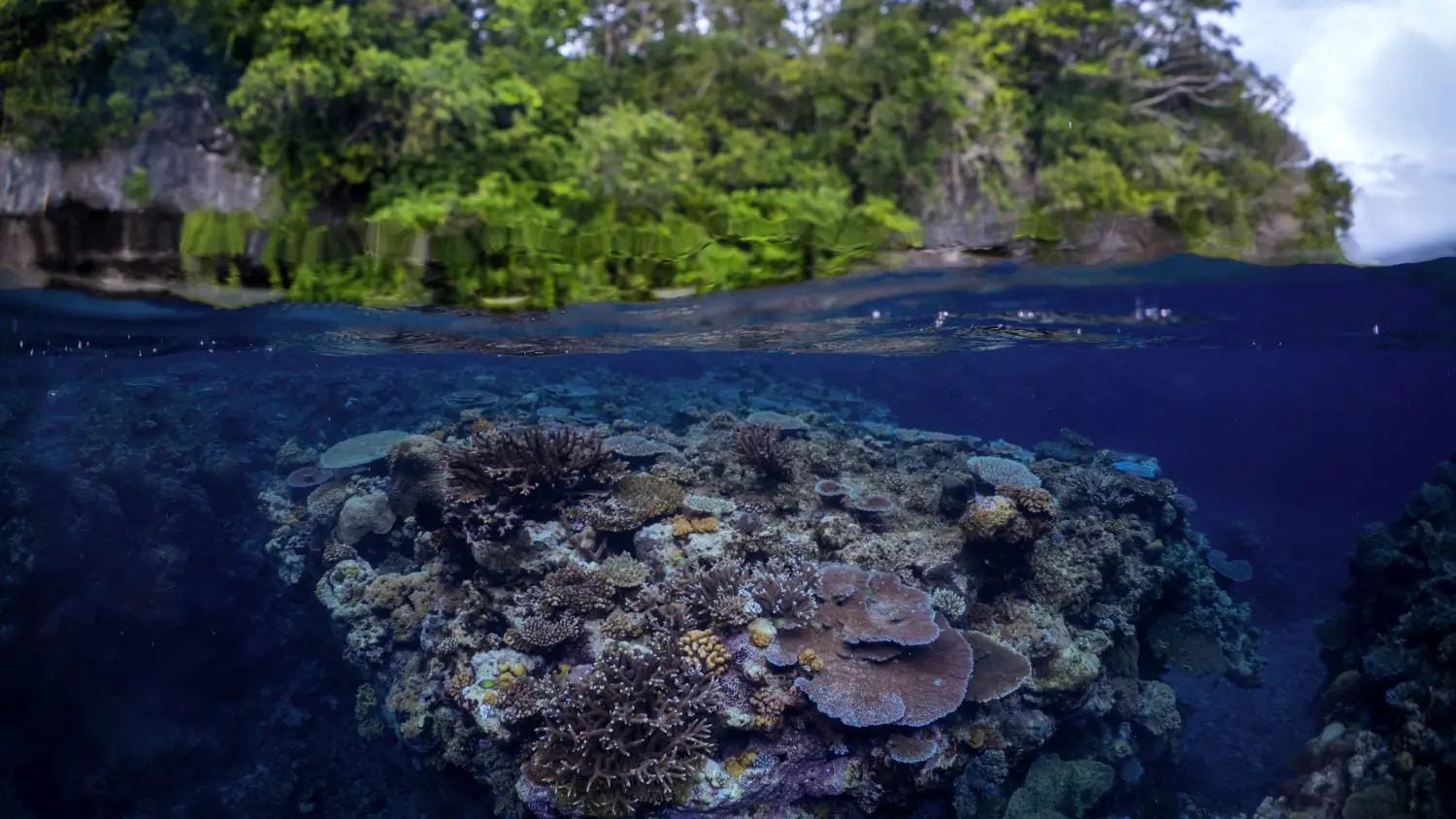
It also helps that Palau is a global leader in marine conservation. In 2009, the country created the world’s first shark sanctuary, and today, the Palau National Marine Sanctuary protects 80% of its maritime territory. This isn’t just paper protection. The result is a reef system that looks remarkably like the ocean did a century ago: vibrant, crowded, and incredibly healthy.
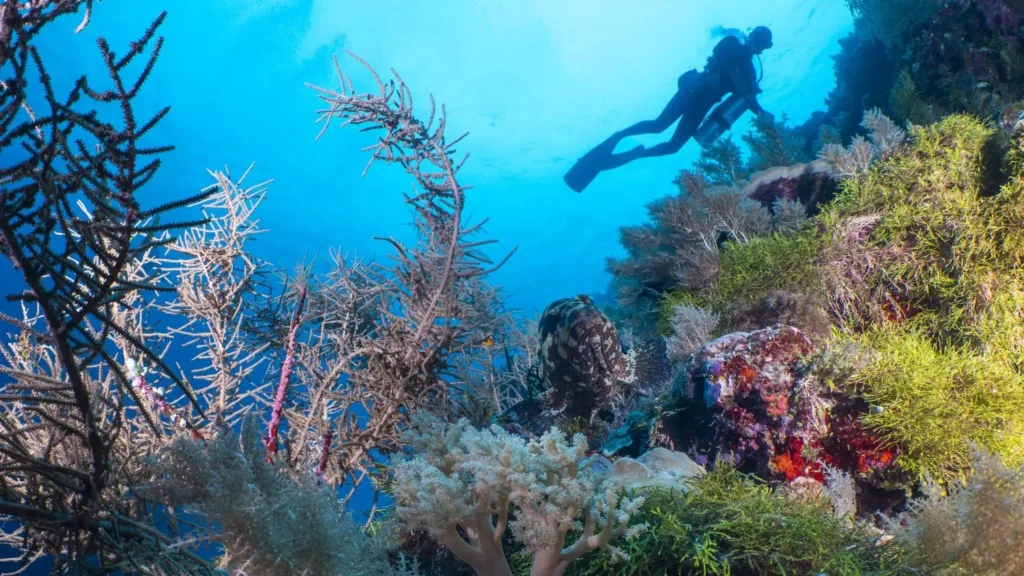
The Iconic Dive Sites That Define Palau
Blue Corner: The Ultimate Current Dive
If there is one dive site that has constantly defined Palau, this is it. Blue Corner is a natural promontory that juts out into the ocean, catching the full force of the current. It is famous for its “reef hook” technique. Once hooked in, you simply hover in the flow like a kite, watching a non-stop parade of grey reef sharks, white tips, Napoleon wrasse, and schools of jacks. It is nature’s equivalent of a high-definition IMAX movie, and you have a front-row seat.
German Channel: Mantas & Macro
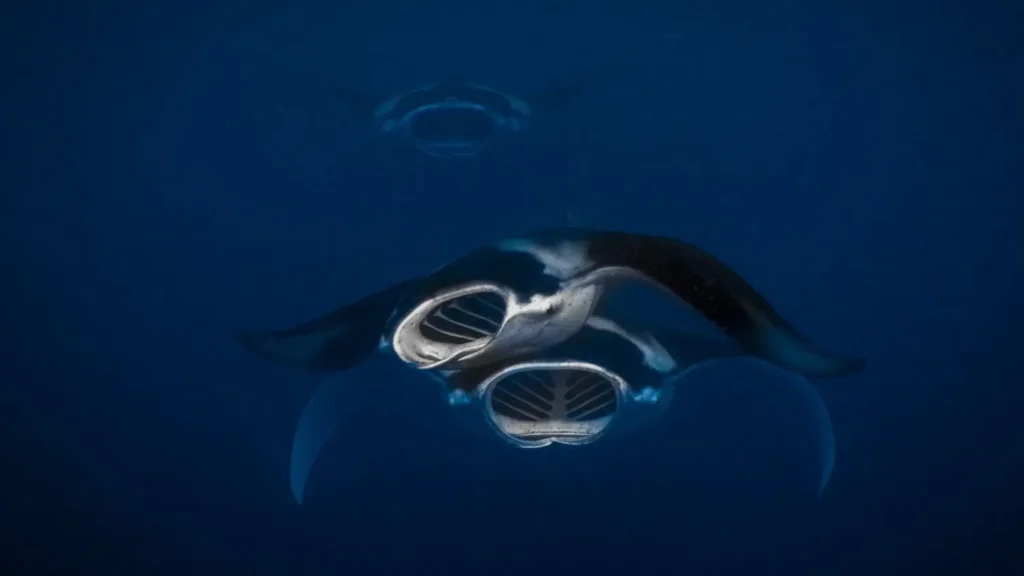
Originally blasted through the reef during the German occupation to allow phosphate ships to pass, this channel is now a premier manta ray highway. The dive site that carries the name, though, is just inside the lagoon at the end of the channel itself and is basically the cleaning station at the end of the highway. The shallow sandy bottom and cleaning stations attract mantas year-round. While you wait for the big guys to arrive, the site is also home to garden eels, blind gobies, and flamboyant nudibranchs.
Ulong Channel: Drift Diving Perfection
Ulong Channel is often cited as one of the best drift dives in the world. On an incoming tide, you enter the mouth of the channel and are whisked along a sandy floor lined with massive patches of lettuce coral (the largest field of lettuce coral in the world?). It feels like flying through an underwater forest canyon. Keep an eye out for grey reef sharks patrolling the entrance, giant groupers, and the giant clams that are dotted throughout.
Insider Tip: To see these sites at their best, timing is everything. Our crews on Palau Siren monitor the tides meticulously to ensure you hit the channels exactly when the action is peaking.
Big Life & Small Life: What You’ll See
Palau is often marketed for its “Big Three”: Sharks, Mantas, and Napoleon Wrasse. But, there is so much more to the ecosystem.
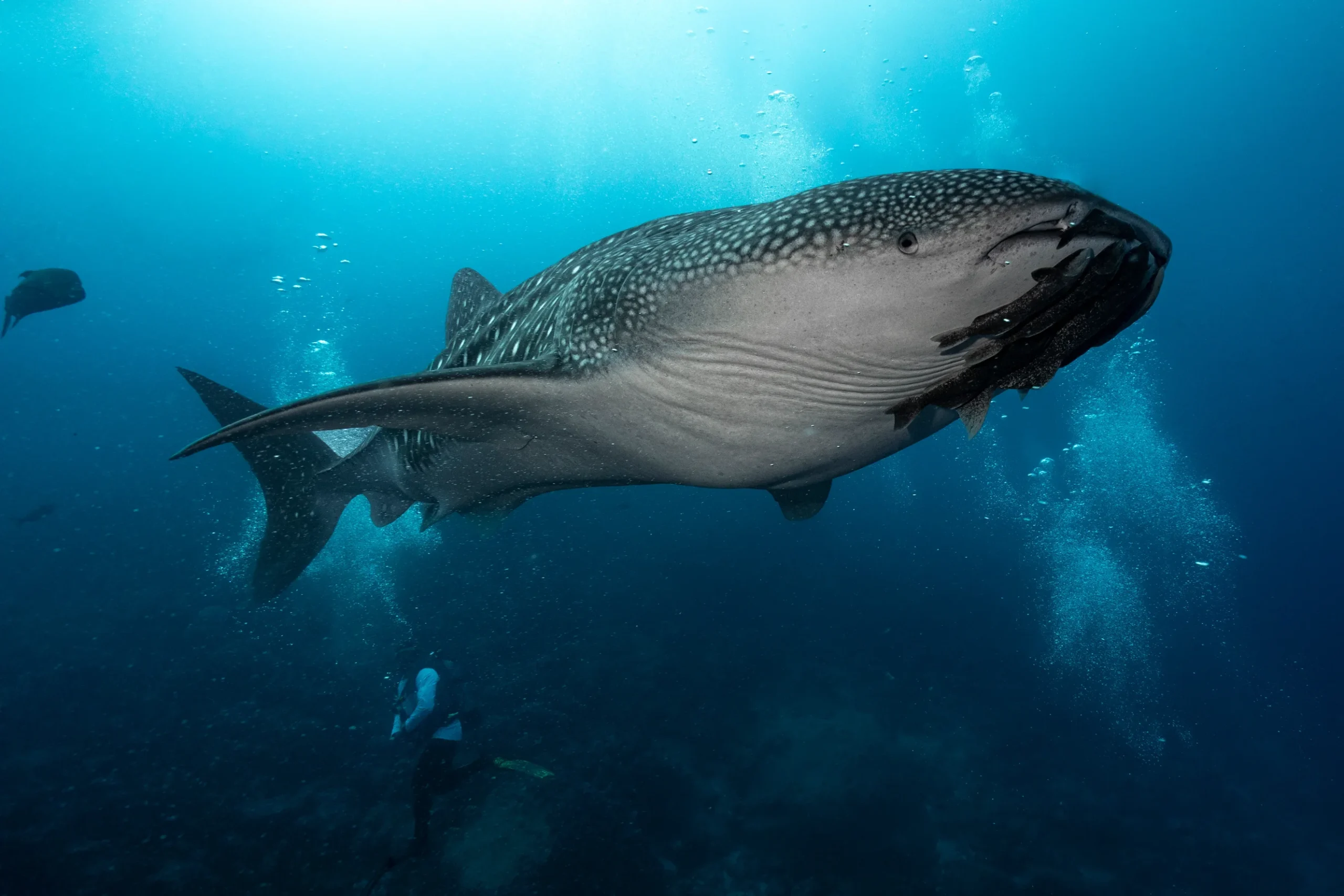
- The Pelagics: Grey reef sharks are the most common stars, but you’ll also encounter blacktips, silvertips, and occasionally bull sharks or hammerheads. Then, of course, there are the mantas.
- The Giants: Napoleon wrasse here are surprisingly bold and often approach divers out of curiosity. Green and hawksbill turtles are seen on almost every reef dive, and humphead parrotfish are also common.
- The Hidden Gems: In the sheltered bays, look for the stunning mandarin fish during their sunset mating rituals. Frogfish, pipefish, and a dizzying array of nudibranchs hide, often unseen, in the cracks of the limestone walls.
When to Dive Palau: Conditions & Seasons
Year-Round Diving Destination
Palau is truly a year-round destination. The water temperature stays at a pretty consistent 28–30°C (82–86°F), and visibility is frequently 30 meters (100 feet) or more on the walls.
Peak Encounters & Seasonal Highlights
- December to April: This is the “dry” season. The seas are generally calmer, and visibility is at its peak. This is also the prime time for manta ray encounters.
- Spawning Events: If you are lucky enough to time your trip with the full or new moons, you might witness the spectacular spawning of red snappers or bumphead parrotfish. These events attract even more sharks looking for an easy meal.
- The “Green” Season (June to September): While there is more rain, the diving remains excellent, the sites are less crowded, and the nutrient-rich water often brings in even more pelagic action.
What It’s Like to Dive Palau on a Liveaboard
While you can dive Palau from land-based resorts, it’s a destination that was practically made for liveaboard diving.
Multiple Dives, Zero Transit Hassle
Many of Palau’s best sites are located an hour or more from the main town of Koror by speedboat. On a liveaboard, your hotel is parked close to the reef, which reef you’re diving. This means you are often the first ones on the big sites in the morning and the last ones to leave in the evening, avoiding the rush hour of day-trip boats. We can also plan to dive to catch the best currents. Speaking of…
Crew Expertise in Current-Driven Diving
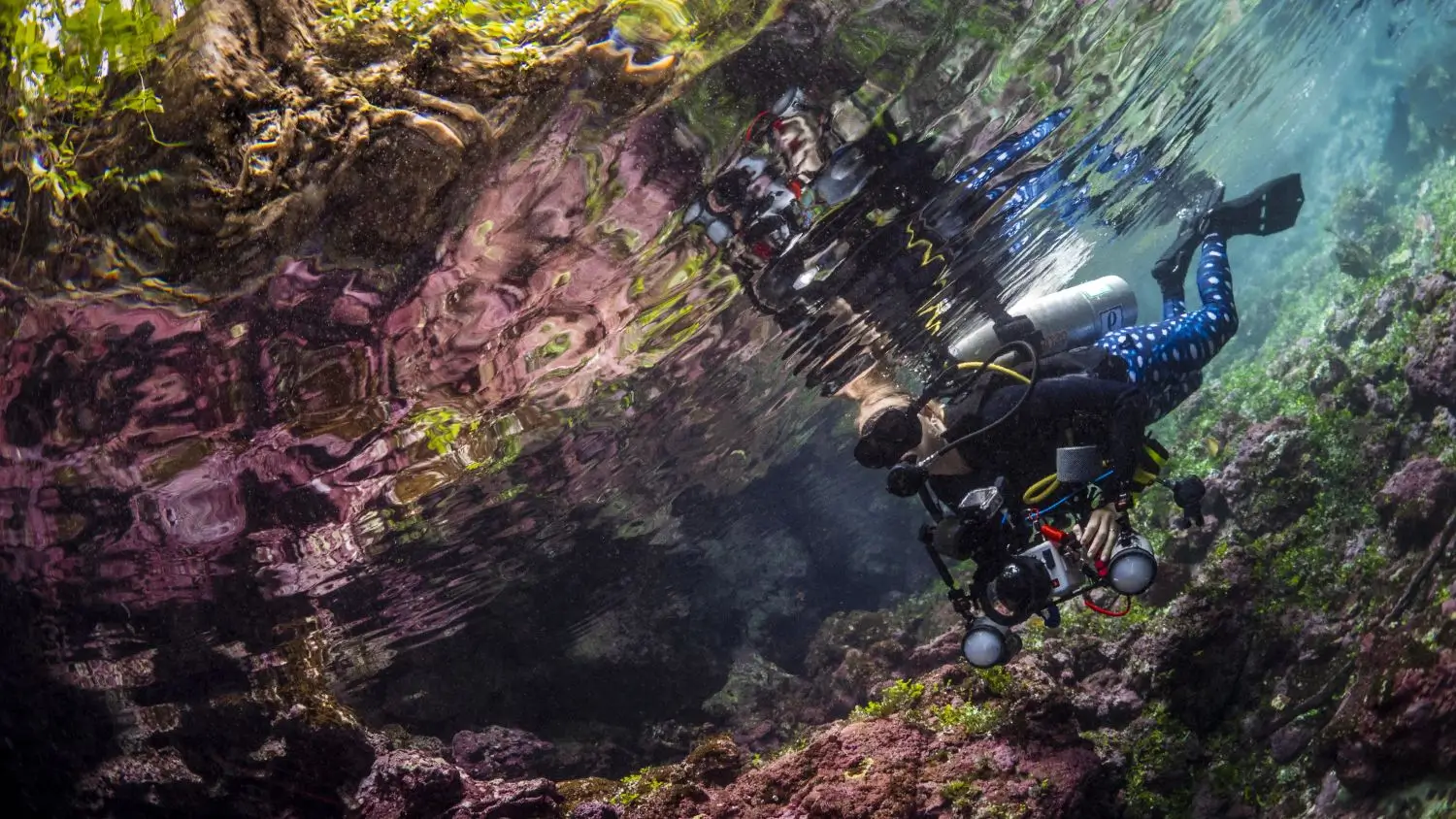
Diving in currents requires skill. Not just from you, the diver, but from the crew as well. Our guides are experts at reading the water. They provide detailed briefings on how to use a reef hook safely and how to navigate the drifts so you can focus on the wildlife rather than the exertion.
Evenings in Sheltered Lagoons
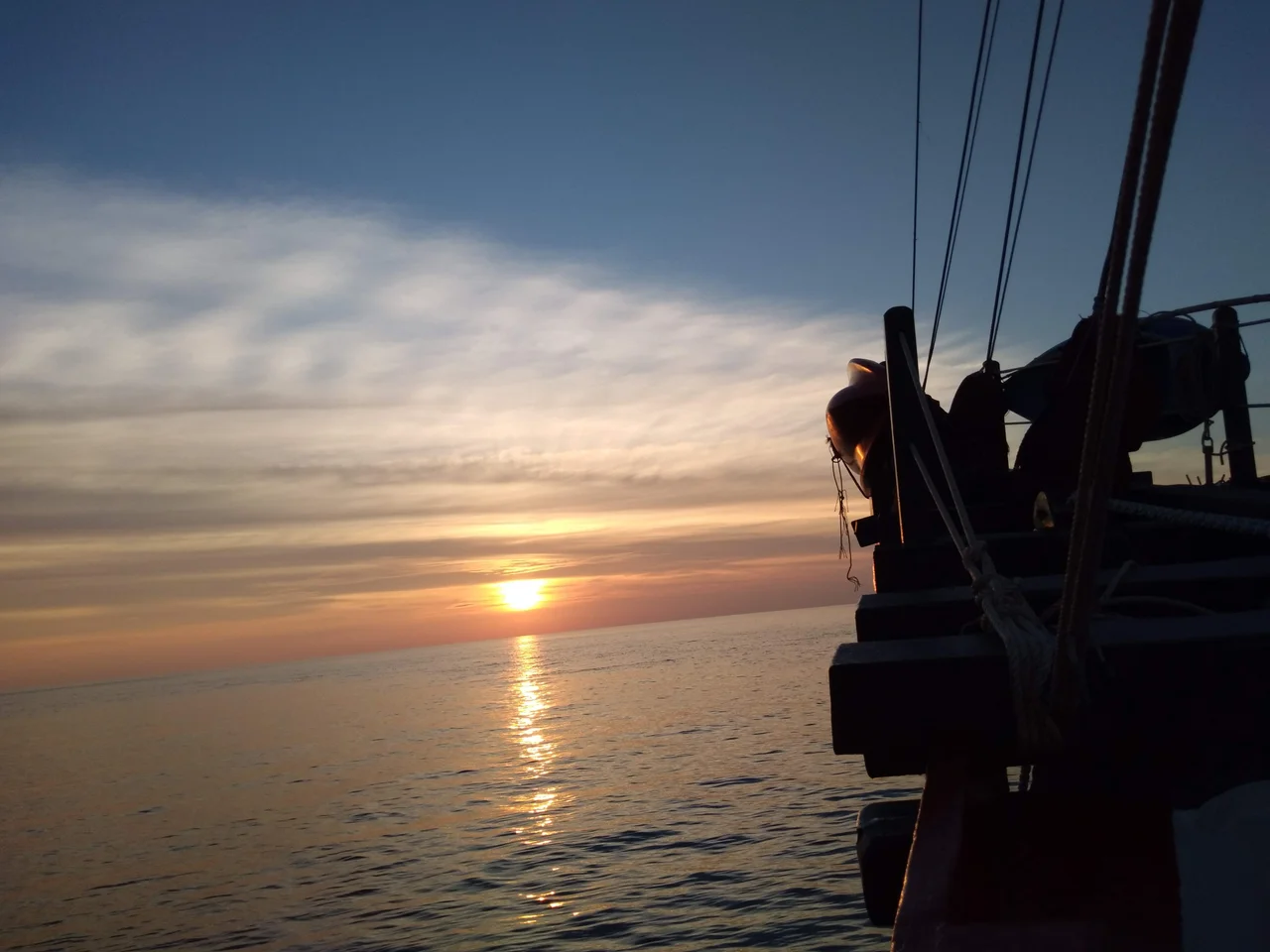
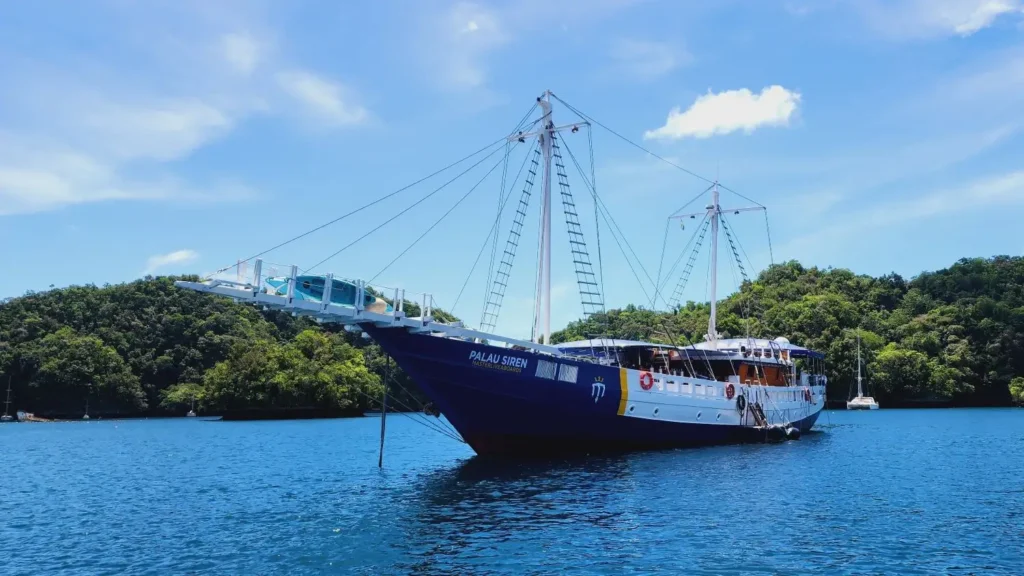
After a four-dive day, some providing a current workout, there is nothing quite like the peace of the Rock Islands. Palau Siren anchors in sheltered, emerald-green lagoons. You can spend your surface intervals kayaking through limestone arches or simply enjoying a sunset drink on the deck while the sun dips below the mushroom-shaped islands.
Who Is Palau Best For?
While Palau is often painted as an advanced diver destination, we think it’s more “intermediate-plus”. There are plenty of easy dives, but some of the most famous sites involve strong currents and blue-water entries, so you certainly need to be confident in your ability to handle these.
- Experience Level: We require at least 30 dives (50 for spawning dives) and a PADI Advanced (or equivalent) certification, and you should be comfortable with negative entries and drift diving.
- The “Must-Have” Gear: A reef hook and an SMB (Surface Marker Buoy) are mandatory.
- Nitrox: We will always recommend nitrox for liveaboard diving. With 4 dives a day in the 20-30 meter range, Nitrox allows for longer bottom times and lower oxygen loads, ensuring you don’t miss a second of the action.
Beyond the Reefs: Wrecks, History & Culture
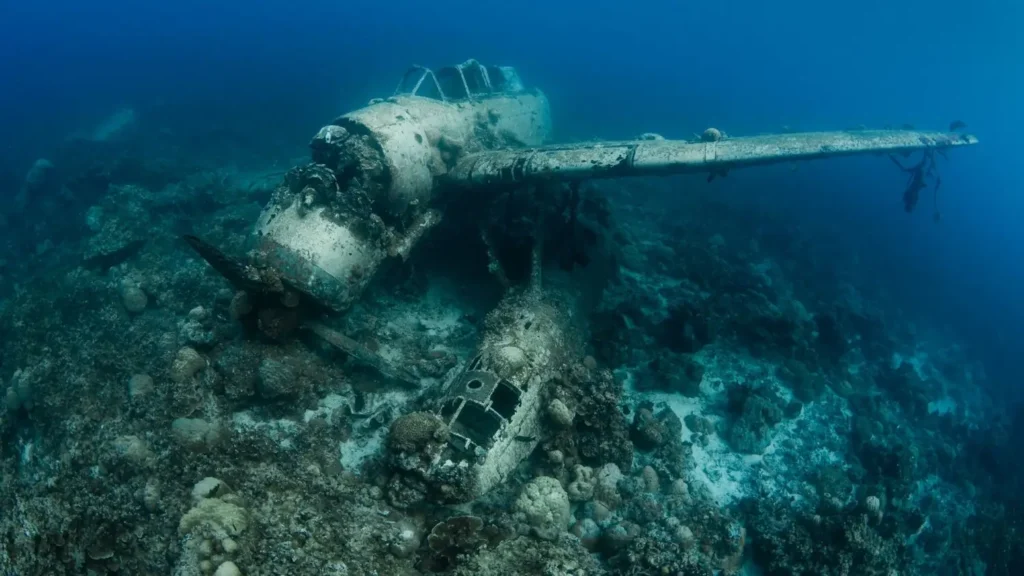
Palau’s history is as deep as its waters, having been previously occupied by Spain, Germany, and Japan. During WWII, it was the site of some of the fiercest Pacific battles, and the lagoon is littered with the remains of these land and sea battles.
- The Wrecks: Sites like the Iro Maru (a massive fleet oiler) and the “Jake Seaplane” offer a haunting contrast to the vibrant natural reefs. These wrecks are now artificial reefs, covered in corals and home to schools of glassfish and more.
- Jellyfish Lake: Though its accessibility can vary based on environmental conditions, swimming with millions of non-stinging golden jellyfish in a landlocked lake is a bucket-list experience for many.
- Peleliu: For history buffs, a land tour of Peleliu Island reveals forgotten tanks, bunkers, and airstrips from one of the Pacific’s bloodiest battles.
Why Palau Belongs on Every Serious Diver’s Bucket List
There are places in the world with better macro, and places with more wrecks, but there are very few places that do everything as well as Palau. It offers a “greatest hits” of the ocean in every single square mile. It’s also a destination that challenges you as a diver while rewarding you with sightings that you will talk about for the rest of your life.
In short, Palau is the perfect balance of adventure and reward, a place where the wild Pacific feels accessible.
Frequently Asked Questions
While beginners can dive in Palau, you may need to sit out some of the best dives. Those with at least 30 dives, an Advanced Open Water certification, and experience in currents will get the most out of the iconic sites like Blue Corner.
Currents can be very strong, especially during the full and new moons. However, they are predictable, and our guides are experts at managing them. You will also generally drift with them.
Palau is world-famous for its grey reef sharks, manta rays, Napoleon wrasse, and massive schools of barracuda and jacks.
A liveaboard is generally considered superior because it allows you to stay at the outer reefs, saving hours of transit time each day and allowing for a more flexible dive schedule.
Expect warm, tropical water between 28°C and 30°C (82–86°F) year-round. A 3mm wetsuit or even a skinsuit is usually sufficient.
Dive Palau With the Experts
At Master Liveaboards, we don’t just take you to the sites; we take you to the experience. With the spacious and traditionally crafted Palau Siren, we offer the ultimate platform for exploring the Crossroads of the Pacific. Our expert crews, refined itineraries, and commitment to safety ensure that your Palauan adventure is as seamless as it is spectacular.
Ready to hook into the action and book your cabin?
About the Author